Meta's Generative AI Push: Muse Image and Video Rollout
Main Take
Meta's Muse Image and Muse Video are ambitious steps in generative AI, but privacy concerns have derailed initial features. The backlash highlights a growing tension between innovation and user consent, forcing Meta to recalibrate its approach. Watch for how Meta balances AI advancements with user trust in upcoming releases.
The Story So Far
Meta's push into generative AI has taken center stage with the launch of Muse Image and Muse Video. These tools aim to revolutionize how users create and share content across platforms like Instagram and WhatsApp. However, the rollout has not been smooth, revealing significant challenges in balancing innovation with user privacy.
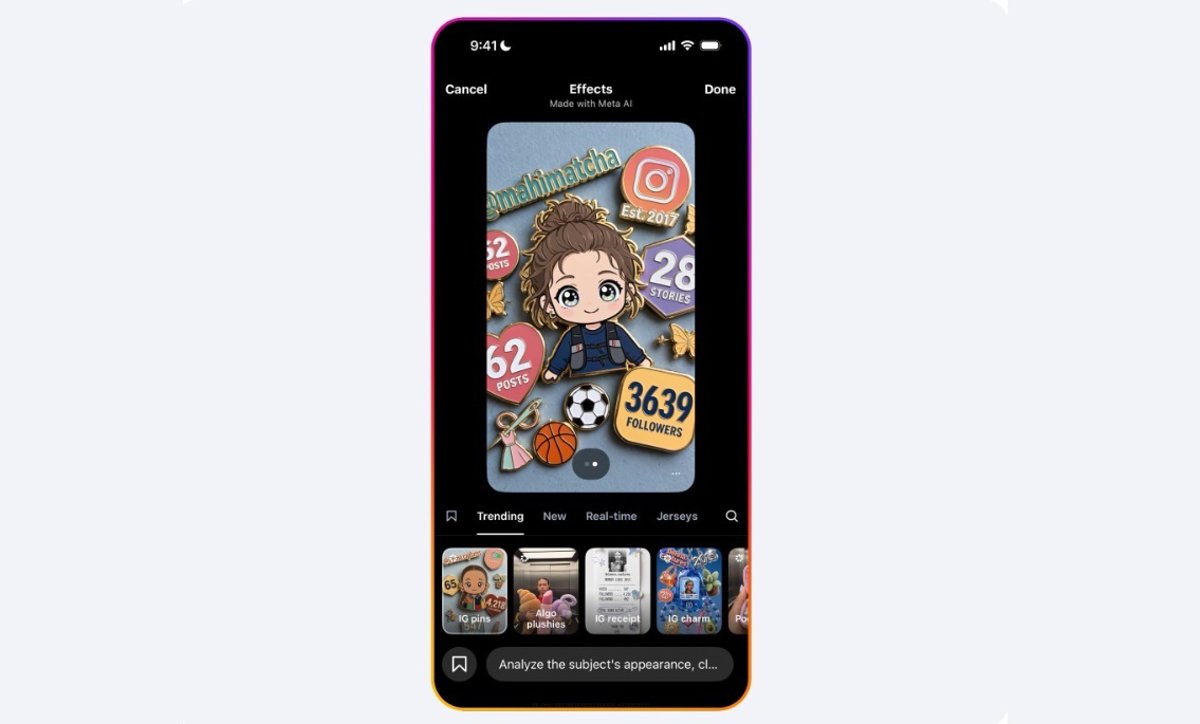
The journey began on July 7, 2026, when Meta introduced Muse Image, its first in-house image generation model. This model promised to enhance user experience with over 30 new AI effects, allowing users to create and remix images effortlessly. Just a day later, Meta previewed Muse Video, a companion model for generating videos from text. The excitement was palpable, as these tools positioned Meta as a leader in the generative AI space.
However, the enthusiasm quickly turned to criticism. On July 10, Meta had to shut down a controversial feature of Muse Image that allowed users to generate images using public Instagram photos without explicit consent. This decision came after backlash from users and privacy advocates, highlighting a critical misstep in Meta's approach to user data. The company acknowledged that the opt-out design was insufficient and acted swiftly to disable the feature on July 11.
The stakes are high for Meta. As it pushes forward with generative AI, it must navigate the delicate landscape of user privacy and consent. Failure to do so could lead to further backlash and regulatory scrutiny, impacting user trust and adoption rates. The future of Muse Image and Muse Video hinges on how well Meta can integrate user feedback into its AI offerings.
Looking ahead, Meta's next steps will be crucial. The company must demonstrate a commitment to user privacy while continuing to innovate in the generative AI space. How it handles these challenges will shape its reputation and success in the rapidly evolving AI landscape.
Who Should Care
Expect volatility as Meta navigates user backlash and regulatory scrutiny.
Privacy issues could spark new research into ethical AI deployment.
Engineers must prioritize user consent in AI feature design.

Related Articles (7)
Meta Muse Mac app turns AI agent into full desktop assistant
On September 18, 2026, Meta released a Mac app for its Muse AI assistant that can operate directly on users’ files, messages, calendars, notes and email. The Mac client extends Muse beyond mobile and web, letting the agent perform multi-step tasks on the desktop with user-granted permissions.
Meta AI adds Muse Spark 1.1 agents for planning and tasks
On July 25, 2026, Meta announced a major upgrade to its Meta AI assistant that lets it plan and execute tasks such as scheduling, research and slide creation using the Muse Spark 1.1 model. The assistant can now connect to email and calendar apps, generate daily briefings and manage multi step workflows, with features rolling out starting today in select markets.
Meta shuts down Muse Image Instagram AI after privacy backlash
Meta disabled a Muse Image feature that let its AI remix photos from any public Instagram account without explicit consent. The company acted on July 11, 2026 after days of criticism from users, unions and privacy advocates over the tool’s default access to public images.

Meta drops Instagram Muse AI image tool after privacy backlash
Meta said on July 10, 2026 it is discontinuing a new AI feature that let users generate images using photos from public Instagram accounts, only days after launching it. The company cited user feedback that the opt‑out-based design "missed the mark" and confirmed the feature has been taken offline.
Meta unveils Muse Image and previews Muse Video for AI media
On July 8, 2026, Meta’s regional blogs and media outlets reported the rollout of Muse Image, the first image-generation model from Meta Superintelligence Labs, now live in Meta AI and selected app experiences. Meta also previewed Muse Video, a companion model for text‑to‑video generation that will roll out later.

Meta Muse Image launches AI generator across Instagram, WhatsApp
Meta has launched Muse Image, its first image generation model from Meta Superintelligence Labs, now live inside Meta AI and rolling out across Instagram and WhatsApp. The model powers more than 30 new AI image effects and can remix users’ photos, including public Instagram content, unless people opt out.
Meta launches Muse Image to power social app generative AI
Meta introduced Muse Image on July 7, 2026, its first in‑house image‑generation model built by Meta Superintelligence Labs. The system now powers image creation in Meta AI, Instagram Stories and WhatsApp chats, with more than 30 new AI effects and a preview of a coming Muse Video model. ([tech.yahoo.com](https://tech.yahoo.com/ai/meta-ai/articles/meta-launches-muse-image-first-185347805.html?utm_source=openai))
Discussion
Key Players
Neutral Impact
This trend has minimal direct impact on AGI timeline
Meta's Muse Image and Muse Video are ambitious steps in generative AI, but privacy concerns have derailed initial features. The backlash highlights a growing tension between innovation and user consent, forcing Meta to recalibrate its approach. Watch for how Meta balances AI advancements with user trust in upcoming releases.
Timeline
4 eventsMeta discontinues Instagram Muse AI image tool after privacy concerns
The decision to shut down the feature due to privacy backlash reflects significant user feedback and impacts Meta's AI strategy.
Meta shuts down Muse Image Instagram AI after privacy backlash
Meta's action to disable the AI feature highlights the importance of user privacy and consent.
Meta Muse Image AI generator goes live on Instagram and WhatsApp
The rollout of the Muse Image model across Instagram and WhatsApp marks a major enhancement in user engagement through AI-generated content.
Meta launches Muse Image for AI image generation
Meta launched its first in-house image-generation model, Muse Image, which powers new AI effects across its platforms.