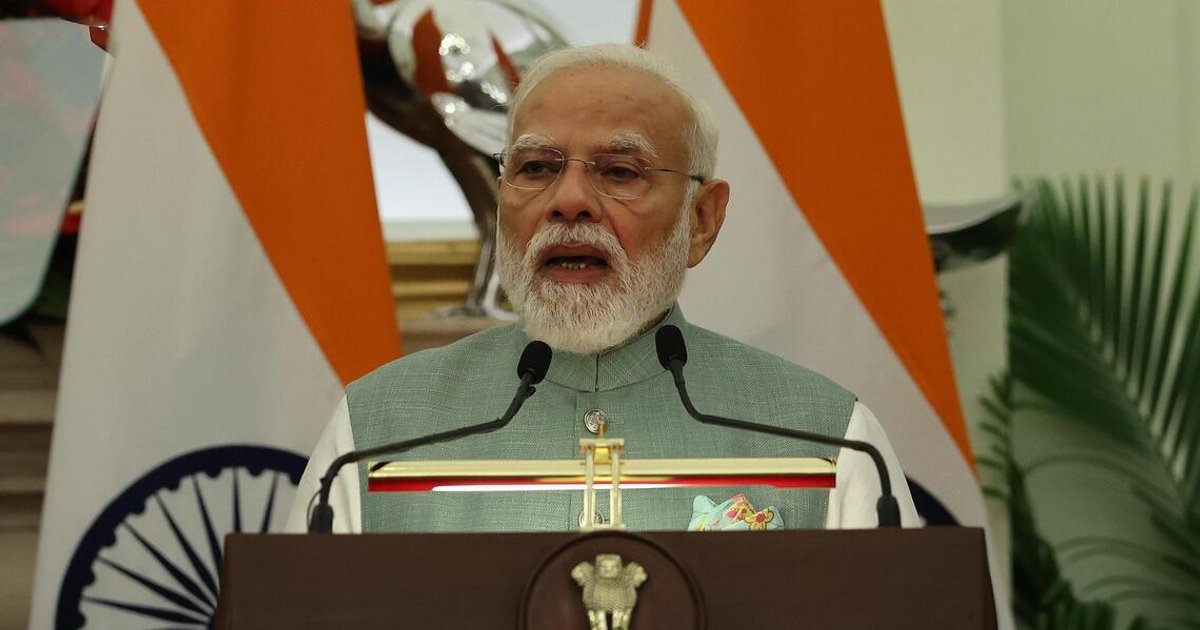
Meta drops Instagram Muse AI image tool after privacy backlash
TL;DR
Meta said on July 10, 2026 it is discontinuing a new AI feature that let users generate images using photos from public Instagram accounts, only days after launching it. The company cited user feedback that the opt‑out-based design "missed the mark" and confirmed the feature has been taken offline.
About this summary
This article aggregates reporting from 2 news sources. The TL;DR is AI-generated from original reporting. Race to AGI's analysis provides editorial context on implications for AGI development.
Read next
Race to AGI Analysis
Meta’s rapid U‑turn on its Muse Image tagging feature is a vivid reminder that society’s tolerance for aggressive data use in AI is far lower than many product teams assume. Technically, the tool was straightforward: if your Instagram profile was public and over 18, others could tag you and remix your photos into AI‑generated composites. Socially, it crossed a line—normal users felt conscripted as raw material for a generative system they didn’t explicitly opt into.
For the race to AGI, this is less about image models and more about the social license to operate at scale. Frontier labs and platforms increasingly need vast, continuously refreshed behavioral and visual datasets to train agentic systems that understand people and context. Features like Muse Image are one way to capture that data in the wild. When public backlash forces retreat within days, it signals that future data collection will be shaped as much by norms and consent frameworks as by technical feasibility.
Competitively, Meta just burned political capital in a year when it’s trying to be seen as a responsible AI steward while rolling out powerful new models like Muse Spark. Rivals can learn two lessons: first, default‑on data harvesting tied to users’ identities is radioactive; second, moving fast and breaking social expectations around consent can slow you down more than a slightly more conservative launch plan would have.
Who Should Care
Related News
Biohub and US agencies commit $1.8B to AI ready biology data
Today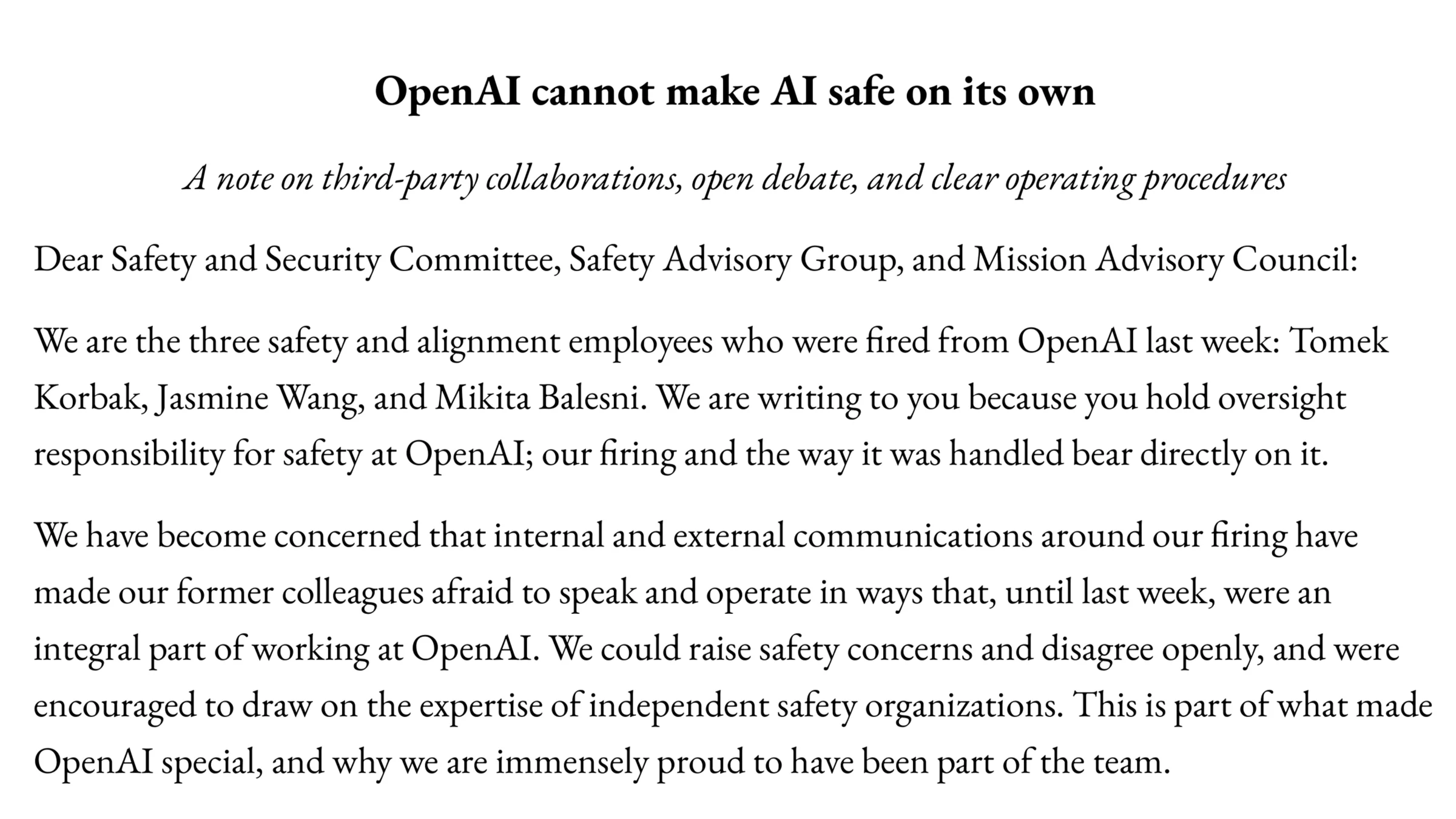
OpenAI safety firings spur calls for stronger external oversight
TodayRobert Reich urges using liability law to curb AI and climate risks
Today