Meta AI adds Muse Spark 1.1 agents for planning and tasks
TL;DR
On July 25, 2026, Meta announced a major upgrade to its Meta AI assistant that lets it plan and execute tasks such as scheduling, research and slide creation using the Muse Spark 1.1 model. The assistant can now connect to email and calendar apps, generate daily briefings and manage multi step workflows, with features rolling out starting today in select markets.
About this summary
This article aggregates reporting from 4 news sources. The TL;DR is AI-generated from original reporting. Race to AGI's analysis provides editorial context on implications for AGI development.
Read next
Race to AGI Analysis
Meta is quietly turning Meta AI from a chat box into a real agent, and this update shows what that looks like in practice. By wiring Muse Spark 1.1 into email, calendars and document workflows, Meta is moving beyond single prompt answers toward systems that plan, execute and follow through over time. That is exactly the agentic behavior many labs use as a proxy for progress toward more general intelligence, even if the underlying model benchmarks did not suddenly jump.
Strategically, this is Meta’s answer to OpenAI’s Work Agent push and Google’s Gemini based Workspace integrations. Whoever owns the daily brief, the calendar and the inbox gains a privileged view of user context and a natural surface for rolling out more capable agents later. If Meta can make these tools feel useful, not creepy, it strengthens its argument that “personal superintelligence” should live inside its own apps rather than in third party clients.
For the broader race to AGI, this is another step in normalizing always on, tool using assistants that sit between people and their digital lives. The technical novelty is modest compared to frontier models, but the distribution and UX story matters: moving hundreds of millions of users from Q&A to delegated workflows is how society gets used to AI that acts, not just talks.
Who Should Care
Related News

Biohub and US agencies commit $1.8B to AI ready biology data
Today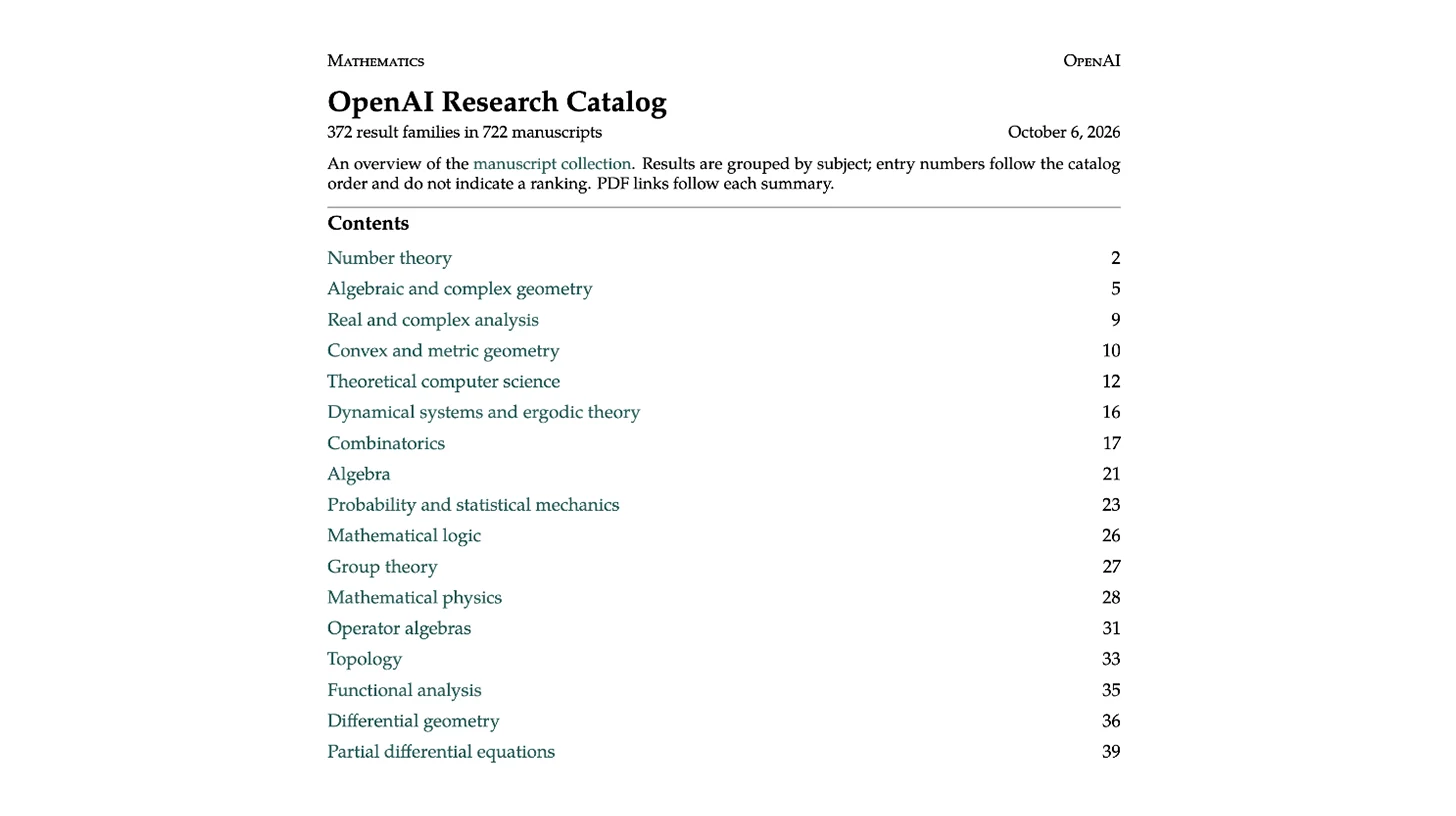
OpenAI math model generates 722 papers and Lean checked proofs
Today
India AI drug discovery startups ride ₹10,000 crore biopharma push
Today