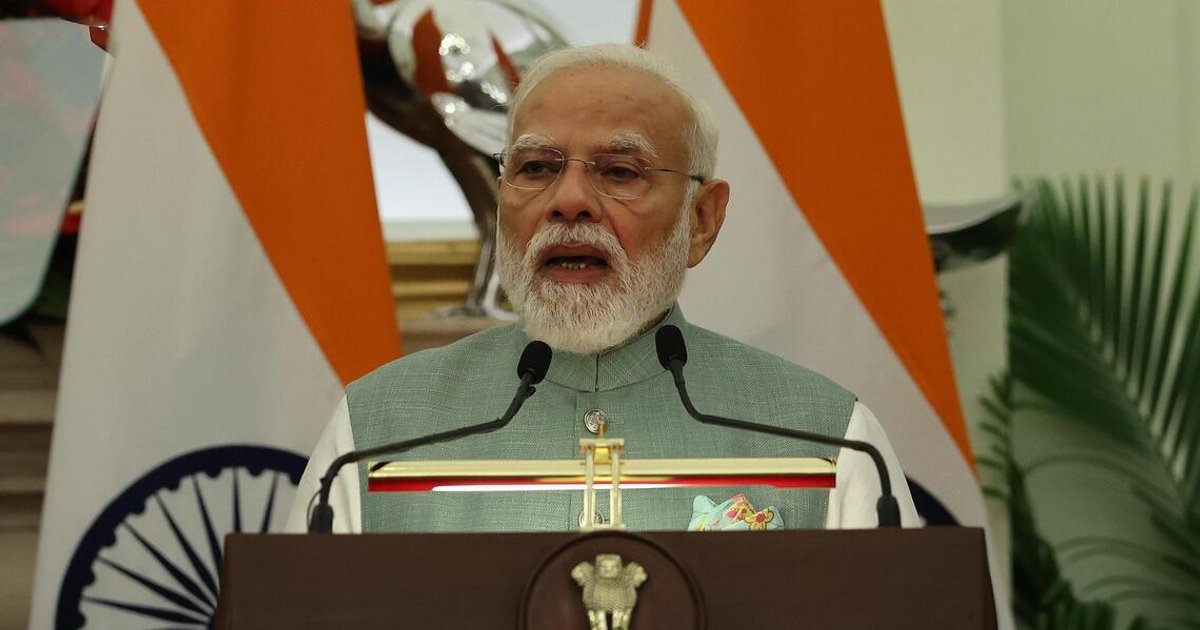
Meta shuts down Muse Image Instagram AI after privacy backlash
TL;DR
Meta disabled a Muse Image feature that let its AI remix photos from any public Instagram account without explicit consent. The company acted on July 11, 2026 after days of criticism from users, unions and privacy advocates over the tool’s default access to public images.
About this summary
This article aggregates reporting from 5 news sources. The TL;DR is AI-generated from original reporting. Race to AGI's analysis provides editorial context on implications for AGI development.
Read next
Race to AGI Analysis
Meta’s decision to disable Muse Image’s Instagram-lookup feature is a reminder that social acceptance and legal risk can still put hard limits on how aggressively big platforms deploy generative models. Technically, the feature was a logical next step: combine a frontier image generator with the vast corpus of public Instagram photos and you have a powerful personalization engine. Socially, it crossed an invisible line by turning any public account into raw material for deepfake‑style images without a clear, explicit consent flow.
For the race to AGI, this isn’t a capabilities story so much as an operating‑environment story. Leading labs increasingly depend on tight feedback loops between research and gigantic consumer surfaces; shipping controversial features and then yanking them after backlash burns political capital and invites regulation. Episodes like this push companies toward more conservative defaults on data usage and likeness, and they strengthen the hand of those arguing for explicit opt‑in and likeness rights in AI law. That, in turn, can shape which players can cost‑effectively train and deploy cutting‑edge models at scale.
Competitively, Meta loses some near‑term differentiation in consumer imaging, but it also signals to regulators and creative industries that it’s willing to course‑correct under pressure. Rivals will study this as a case study in how not to roll out high‑risk features, especially anything that touches faces, identities, or biometric data.
Who Should Care
Related News
Biohub and US agencies commit $1.8B to AI ready biology data
Today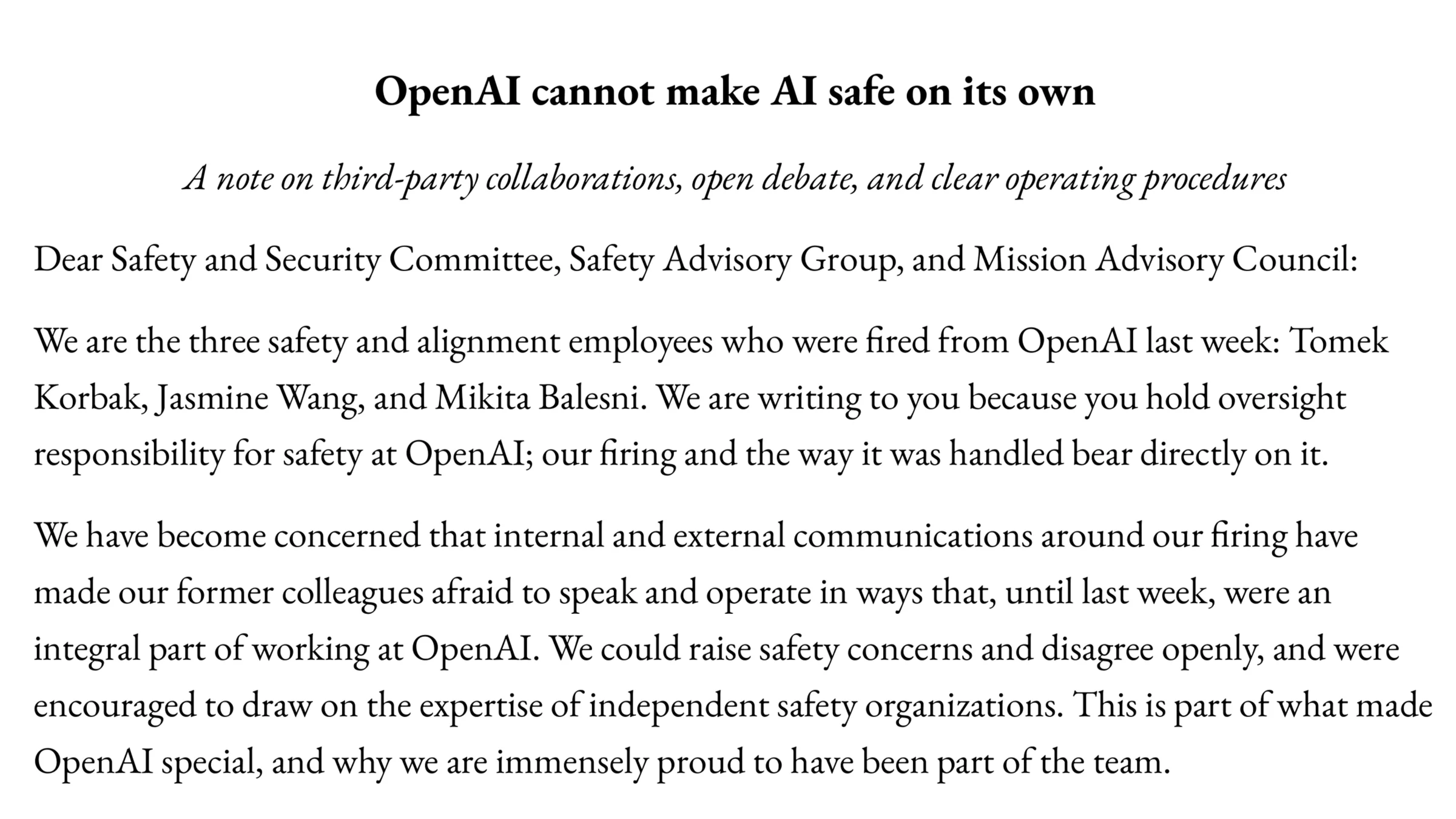
OpenAI safety firings spur calls for stronger external oversight
TodayRobert Reich urges using liability law to curb AI and climate risks
Today