AI Leadership Shake-Ups Reflect Industry Transformation
Main Take
Meta's delay in launching its mixed-reality glasses reflects a cautious approach to product development, prioritizing quality over speed. Meanwhile, Apple's leadership shake-up highlights internal struggles to keep pace with AI advancements, raising doubts about its future competitiveness. The broader trend reveals a critical moment for tech giants as they navigate the evolving landscape of AI and consumer hardware.
The Story So Far
The AI landscape is shifting dramatically, with Meta and Apple at the forefront of this transformation. Meta has postponed the launch of its mixed-reality glasses, codenamed Phoenix, from late 2026 to early 2027. This delay is part of a strategic pivot to ensure a polished product, especially as Reality Labs faces budget cuts of up to 30%. Meta's focus on AI-infused wearables is clear, as it seeks to compete with Apple's Vision Pro and other emerging technologies.
Simultaneously, Apple is undergoing one of its most significant leadership overhauls in years. The departure of key figures, including AI chief John Giannandrea and design head Alan Dye, signals internal turmoil and raises questions about Apple's AI strategy. New vice president Amar Subramanya, a veteran from Microsoft and Google, takes the reins at a critical time. His appointment aims to accelerate Apple's lagging efforts in generative AI and improve Siri's capabilities, but the pressure is on to deliver results quickly.
Meta's acquisition of Limitless, an AI wearables startup, further illustrates its ambition to expand into AI-enabled consumer hardware. The deal, however, comes with privacy concerns as Limitless halts new device sales and revises its data policies. This acquisition, alongside the hiring of Alan Dye, positions Meta to innovate in AI-centric devices, potentially reshaping the market landscape.
The stakes are high for both companies. Meta's delay could hinder its competitive edge, while Apple's leadership changes may slow its AI advancements. As these giants navigate their respective challenges, the outcome will significantly impact the future of AI and consumer technology. Watch for developments in product launches and leadership effectiveness as 2027 approaches.
Who Should Care
Expect volatility as leadership changes may impact stock performance.
AI research priorities may shift as new leaders redefine strategies.
Watch for new project directions that could reshape product development.

Related Articles (6)
Meta reportedly delays 'Phoenix' mixed-reality glasses to 2027
Meta has pushed back the launch of its mixed-reality glasses, codenamed Phoenix, from the second half of 2026 to the first half of 2027, according to internal memos reported by Business Insider and summarized by multiple outlets. The delay is framed as giving Reality Labs “more breathing room” to deliver a polished, reliable product amid reported budget cuts of up to 30% for Meta’s metaverse division, and underscores Meta’s long-term bet on AI-infused wearables that compete with devices like Apple’s Vision Pro.
Apple faces major leadership shake-up as AI and design chiefs depart and chip chief weighs exit
Apple is undergoing one of its biggest leadership overhauls in decades, with the heads of artificial intelligence and interface design stepping down and the company’s general counsel and head of government affairs also set to leave, while long‑time chip chief Johny Srouji has discussed departing. The wave of exits underscores internal strain around Apple’s lagging AI strategy and raises questions about its ability to keep pace with rivals in advanced AI and custom silicon.([bloomberg.com](https://www.bloomberg.com/news/articles/2025-12-06/apple-rocked-by-executive-departures-with-johny-srouji-at-risk-of-leaving-next))
Meta acquires AI-wearables startup Limitless
Meta has acquired Limitless, a U.S.-based AI wearables startup known for its pendant device that continuously records and transcribes real-world conversations to create a searchable memory assistant. The deal underscores Meta's push into AI-enabled consumer hardware beyond smart glasses, but also raises fresh privacy and regional availability questions as Limitless halts new device sales, sunsets its Rewind Mac app, and updates its data policies for existing users.
Meta hires Apple design chief Alan Dye to build next‑generation AI devices
Meta has hired longtime Apple design leader Alan Dye, who led the design of Apple’s operating systems and the controversial new 'Liquid Glass' interface, to work on hardware for the coming 'AI era.' Together with fellow Apple designer Billy Sorrentino, Dye will help Meta develop new AI‑centric devices, such as camera‑equipped smart glasses, as the company races rivals including Apple, Google and OpenAI (which is working with former Apple designer Jony Ive) to define post‑smartphone hardware.
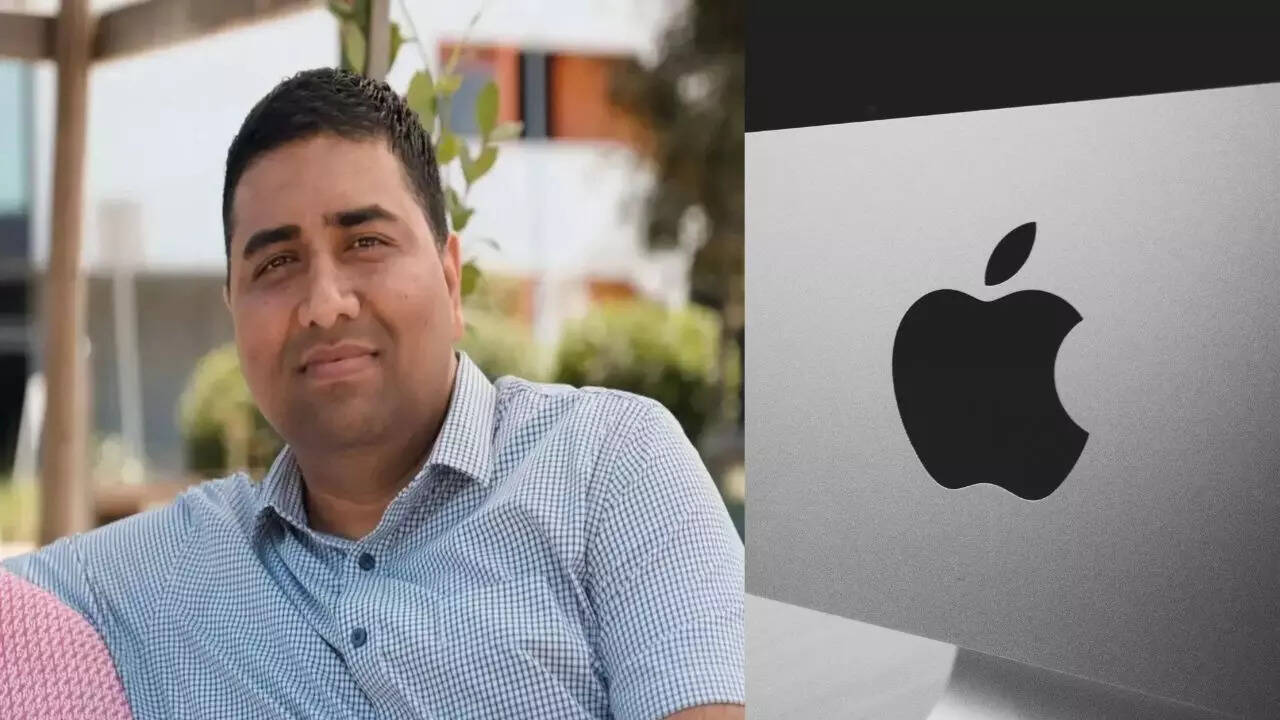
Apple reshapes AI leadership as Amar Subramanya replaces Giannandrea
Apple has appointed Amar Subramanya as its new vice president of AI, taking over from long‑time AI and machine learning chief John Giannandrea, who will transition to an advisory role ahead of retirement in 2026. Subramanya, a veteran of Microsoft and Google’s Gemini assistant, will oversee Apple’s foundation models, machine‑learning research and AI safety as the company seeks to accelerate Siri and "Apple Intelligence" features across its devices.
Apple reshapes AI leadership as John Giannandrea retires and ex‑Google/Microsoft researcher Amar Subramanya takes over
Apple has announced that long‑time AI chief John Giannandrea will step down from his role as Senior Vice President for Machine Learning and AI Strategy and move into an advisory position before retiring in spring 2026. He is being replaced by Amar Subramanya, a veteran AI researcher who previously led engineering for Google’s Gemini assistant and most recently served as corporate VP of AI at Microsoft; Subramanya becomes vice president of AI, reporting to software chief Craig Federighi and overseeing Apple Foundation Models, ML research, and AI safety and evaluation—part of a broader effort to accelerate Apple’s lagging generative‑AI push and a delayed, more capable Siri.
Discussion
Delays AGI Timeline
This trend may slow progress toward AGI
Meta's delay in launching its mixed-reality glasses reflects a cautious approach to product development, prioritizing quality over speed. Meanwhile, Apple's leadership shake-up highlights internal struggles to keep pace with AI advancements, raising doubts about its future competitiveness. The broader trend reveals a critical moment for tech giants as they navigate the evolving landscape of AI and consumer hardware.
Timeline
3 eventsMeta acquires AI-wearables startup Limitless
This acquisition expands Meta's capabilities in AI-enabled consumer hardware.
Meta hires Apple design chief Alan Dye for AI devices
This hiring is significant for Meta's future product development in AI.
Apple reshapes AI leadership with new VP appointment
The appointment of a new VP of AI indicates a strategic shift in Apple's AI direction.