This trend is no longer active
This trend was archived on Jul 24, 2026 as it is no longer seeing new developments.
China's Regulatory Clampdown on Human-Like AI Services
Main Take
China's recent regulatory moves signal a crackdown on human-like AI services. The government aims to control emotional interactions and protect users, especially minors. This reflects a broader trend of increasing scrutiny over AI technologies that mimic human behavior.
The Story So Far
China is clamping down on human-like AI services, focusing on emotional risks and user safety. This regulatory shift comes as the country grapples with the implications of AI technologies that simulate human interactions. The Cyberspace Administration of China has introduced strict rules governing anthropomorphic AI, requiring clear labeling, addiction monitoring, and crisis management protocols. These measures are designed to protect vulnerable users, particularly minors and the elderly, from potential emotional harm.
The timeline of events reveals a growing concern within China about the societal impact of AI. In late 2025, draft regulations were proposed that mandated AI providers to disclose when users are interacting with AI and to implement safeguards against overuse. By July 2026, these regulations were formalized, with 'Interim Measures' set to take effect, tightening controls on emotional AI companions and autonomous agents.
The stakes are high. Major tech firms like Alibaba and Tencent are now navigating a complex regulatory landscape that could stifle innovation. While these companies may seek to comply, the restrictions could hinder their ability to compete globally. The pattern emerging here is one of increasing government oversight, reflecting a desire to maintain social stability and control over technology that could disrupt traditional norms.
Looking ahead, the focus will be on how these regulations impact the development of AI technologies in China. Watch for potential pushback from tech companies and the emergence of new compliance strategies as they adapt to this evolving regulatory environment.
Who Should Care
Expect reduced funding opportunities in the Chinese AI sector due to stricter regulations.
Research on human-like AI may face hurdles as compliance with new rules becomes mandatory.
Engineers must adapt designs to meet new transparency and safety requirements.
Related Articles (10)
OpenAI and Google sell frontier AI via Singapore route to China
On July 10, 2026, The Next Web reported that OpenAI and Google confirmed providing advanced AI services from Singapore units to subsidiaries of Alibaba, Baidu and Tencent, which are on a US Pentagon blacklist. The reporting, based on a Financial Times investigation, highlights how Singapore-registered affiliates legally access powerful models despite US export controls focused on mainland China. Anthropic, by contrast, is said to bar Chinese firms and their foreign subsidiaries from using its frontier models.

China tightens AI rules on ethics, agents and anthropomorphic chatbots
On July 8, 2026, the IAPP highlighted three recent Chinese regulatory moves: binding 'Interim Measures' for anthropomorphic AI services taking effect July 15, new national standards for AI agents, and updated ethics guidance. The rules target emotionally humanlike AI companions and autonomous agents, imposing identity labelling, content limits, and stricter security and governance obligations.
China weighs restricting overseas access to advanced domestic AI models
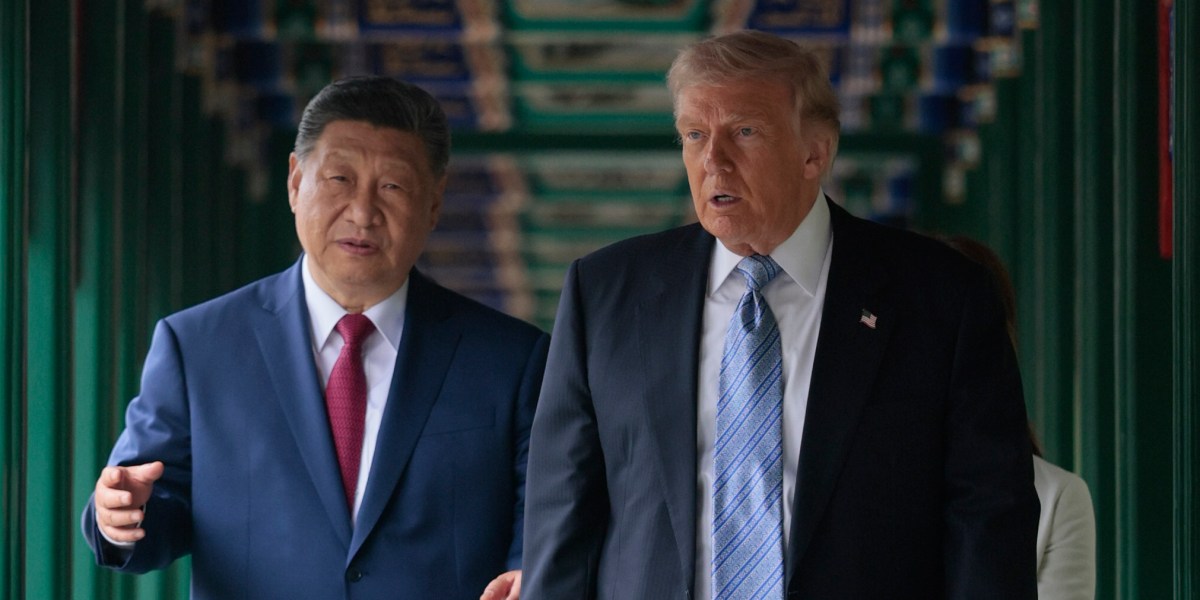
On July 8, 2026 Fortune and Reuters reported that Chinese ministries have held meetings with major tech firms, including Alibaba, ByteDance and Zhipu AI, about potentially restricting overseas access to China’s most advanced AI models. Discussions reportedly also covered new limits on who can fund domestic AI startups.

China companion AI rules target emotional risk and teen safety
On January 1, 2026 at 08:21 CST, China’s Workers’ Daily via The Paper highlighted a new draft regulation from the Cyberspace Administration of China governing “anthropomorphized” AI interaction services such as companion chatbots. The draft rules propose identity transparency, usage‑time limits, crisis‑response handoff to humans, and stronger privacy protections for users, with public comments open until January 25, 2026.

China drafts strict rules for anthropomorphic AI emotional companions
China’s Cyberspace Administration released draft rules on December 27, 2025 to regulate AI services that simulate human personalities and engage in emotional interaction. On December 28, outlets including Singapore’s Zaobao and Chinese state-linked sites published detailed explainers describing requirements such as addiction warnings, emotional risk monitoring, and stricter data use limits for training AI companions.

China drafts strict rules for emotional, human-like AI services
China’s cyberspace regulator released draft rules on December 27, 2025 to govern AI services that simulate human personalities and emotional interaction. The measures require providers to label AI clearly, monitor users for signs of addiction, and block content that threatens national security or violates socialist values.
China drafts strict rules for human-like AI companion apps
China’s Cyberspace Administration released draft rules on December 27 to tightly regulate AI services that simulate human personalities and offer emotional interaction. The proposals require providers to warn against overuse, intervene in cases of addiction, and implement lifecycle safety, data security, and content controls. ([reuters.com](https://www.reuters.com/world/asia-pacific/china-issues-drafts-rules-regulate-ai-with-human-like-interaction-2025-12-27/))

China draft AI rules tighten controls on human-like chatbots
China’s Cyberspace Administration released draft “interim measures” on December 27, 2025 to regulate anthropomorphic AI services that mimic human personalities and emotions. Providers must clearly label AI interactions, prevent over‑dependence, and conduct security assessments for systems that reach 1 million registered or 100,000 monthly active users.([english.news.cn](https://english.news.cn/20251227/b28f826397cf4a03aca8a6c8952e4b30/c.html?utm_source=openai))

China draft rules clamp down on human‑like AI companion services
On December 27, 2025, China’s Cyberspace Administration published draft rules for anthropomorphic AI interaction services, including emotional companion chatbots. Providers must clearly disclose when users are interacting with AI and issue reminders at least every two hours, with extra protections for minors and elderly users.
China draft AI personality rules tighten control on emotional chatbots
China’s Cyberspace Administration published draft rules on December 27, 2025 to regulate AI services that simulate human personalities and engage in emotional interaction. On December 28, outlets in China and abroad detailed the proposed requirements, including content red lines, addiction safeguards, and mandatory ‘core socialist values’ alignment for anthropomorphic AI.
Discussion
Key Players
Delays AGI Timeline
This trend may slow progress toward AGI
China's recent regulatory moves signal a crackdown on human-like AI services. The government aims to control emotional interactions and protect users, especially minors. This reflects a broader trend of increasing scrutiny over AI technologies that mimic human behavior.
Timeline
6 eventsChina's Workers’ Daily highlights new draft regulation for companion AI
The highlighting of new draft regulations concerning emotional risks and teen safety in AI interactions indicates ongoing regulatory developments with significant implications.
China drafts strict rules for emotional, human-like AI services
The draft rules by China's Cyberspace Administration impose significant regulations on AI services that simulate human emotions, impacting major companies in the sector.
China drafts rules for human-like AI companion services
The proposed regulations require clear disclosure of AI interactions and impose safeguards against addiction, affecting multiple AI providers.
China releases draft AI rules on anthropomorphic services
The interim measures released by the Cyberspace Administration will regulate AI services that mimic human personalities, significantly impacting the industry.
China's draft rules tighten controls on human-like chatbots
The regulations introduced by China aim to control the use of emotional AI chatbots, which will have a substantial effect on how companies operate in this space.