This trend is no longer active
This trend was archived on Jul 25, 2026 as it is no longer seeing new developments.
OpenAI's Restricted GPT-5.6 Rollout Amid US Security Concerns
Main Take
OpenAI's phased release of GPT-5.6 highlights the tension between innovation and regulatory oversight. The U.S. government is closely monitoring AI advancements, emphasizing safety over speed. This dynamic reveals a cautious approach to AI deployment, balancing technological progress with national security.
The Story So Far
OpenAI's GPT-5.6 rollout has become a focal point in the ongoing debate over AI safety and national security. After a limited preview that began on June 26, 2026, the US government mandated a staggered release, restricting access to about 20 vetted partners. This decision came amid rising concerns about the potential misuse of advanced AI technologies, echoing similar moves by other AI firms like Anthropic with their Mythos 5 model.
The timeline of events reveals a pattern of cautious advancement. On June 27, reports surfaced that the Trump administration requested OpenAI to delay broader access until a thorough review of cybersecurity risks was completed. By July 8, the Department of Commerce approved the model for a wider rollout, but only after extensive testing and scrutiny. This reflects a growing trend where governments are increasingly involved in regulating AI technologies, emphasizing security over rapid deployment.
The stakes are high. OpenAI stands to gain significant market share with GPT-5.6, but the restrictions could slow its competitive edge against rivals. Companies must navigate a complex landscape of government oversight while pushing for innovation. The future of AI development hinges on how well these firms can balance compliance with the need for speed in a rapidly evolving market.
Looking ahead, the industry should brace for more regulatory scrutiny and a cautious approach to AI deployment. The dynamics of AI development are shifting, with security concerns likely to shape the future landscape.
Who Should Care
Expect volatility as regulatory hurdles may impact AI companies' growth trajectories.
AI safety and compliance are becoming critical areas of focus in model development.
Engineers must adapt to evolving compliance requirements while pushing for innovation.
Related Articles (15)
OpenAI shutters Atlas browser and folds agents into ChatGPT Work
OpenAI is shutting down its Atlas AI browser less than a year after launch and shifting its web‑agent features into the main ChatGPT app and a Chrome extension. The company is simultaneously pushing a new productivity suite called ChatGPT Work aimed at office workflows.
ChatGPT Work launches GPT‑5.6 agents for multi‑step office tasks
On July 11, 2026, Swiss tech outlet s2pmag reported that OpenAI’s new ChatGPT Work agent is live, using GPT‑5.6 to automate multi‑step projects such as reports, spreadsheets, web apps and presentations from within the ChatGPT desktop app. The feature builds on OpenAI’s Codex technology and is positioned as a direct rival to Anthropic’s Claude Cowork for knowledge‑worker automation.
OpenAI launches GPT-5.6 Sol, Terra and Luna with new ChatGPT Work agent
OpenAI on July 9, 2026 broadly released its GPT‑5.6 model family — Sol, Terra and Luna — after a limited government‑review preview. The company also launched ChatGPT Work, an agentic productivity tool that combines ChatGPT and Codex to automate end‑to‑end knowledge work across apps and documents. The rollout starts globally over the next 24 hours across ChatGPT and Codex.
OpenAI GPT-5.6 Sol models clear US review for public launch
On July 8, 2026, OpenAI confirmed that its GPT‑5.6 model family—flagship Sol, midrange Terra and low‑cost Luna—will be released to the public on Thursday after weeks of limited access during a US government security review. Reports say the Trump administration allowed a broader launch following technical testing, while the White House stressed it does not formally “approve” private AI model releases.

OpenAI GPT-5.6 models cleared for July 9 public rollout
OpenAI said on July 8, 2026 that its GPT-5.6 Sol, Terra and Luna models will become publicly available on July 9 after weeks of restricted testing. The broader release follows a U.S. government safety review that temporarily limited access to a small group of partners.
OpenAI sets July 9 public launch for GPT‑5.6 Sol, Terra and Luna
On July 8, 2026, OpenAI said its GPT‑5.6 model family—flagship Sol, mid‑range Terra and low‑cost Luna—will launch publicly on July 9 after a US‑only preview period. The company confirmed the news in statements cited by outlets including The Star in Malaysia and HuffPost Spain.
OpenAI GPT-5.6 cleared by US for broad rollout this week
The US Department of Commerce has approved a broad release of OpenAI’s GPT‑5.6 model after additional safety testing, Axios reported on July 8, 2026. OpenAI is expected to roll out GPT‑5.6 more widely later this week following a staggered preview limited to vetted partners.

OpenAI GPT-5.6 Sol, Terra, Luna make access the new AI moat
On June 28, 2026, LLM Rumors published an in‑depth analysis of OpenAI’s new GPT‑5.6 family, launched June 26 in a limited preview with three tiers: Sol, Terra and Luna. The piece details pricing, capabilities and notes that US government-requested restrictions mean only a small set of vetted partners can use the flagship Sol model for now.([llmrumors.com](https://www.llmrumors.com/news/openai-gpt56-sol-terra-luna-government-preview))

OpenAI GPT-5.6 rollout staggered under US government review
On June 27, 2026, AI News Blitz reported that the Trump administration asked OpenAI to stagger the rollout of its new GPT‑5.6 Sol model, limiting initial access to around 20 approved partners. The government is reportedly reviewing customers on a case‑by‑case basis before granting access to the frontier model. ([ainewsblitz.com](https://www.ainewsblitz.com/brief/qvcVvPqGyDdu))
OpenAI GPT-5.6 rollout gated by US national security review
OpenAI launched its new GPT-5.6 Sol, Terra and Luna models under a limited preview after the Trump administration asked it to delay full public release over national security concerns. On June 27, 2026, TechSpot reported that only a small set of government‑approved customers can access the models while U.S. agencies review their cybersecurity risks.
OpenAI GPT-5.6 launches in tightly gated limited preview
On June 27, 2026, OpenAI’s GPT-5.6 model family—Sol, Terra and Luna—became available in a limited preview to about 20 government‑approved partner organizations via API and Codex. Media reports and developer blogs confirm the rollout remains tightly restricted at the request of the US government, with broader access promised in the coming weeks.
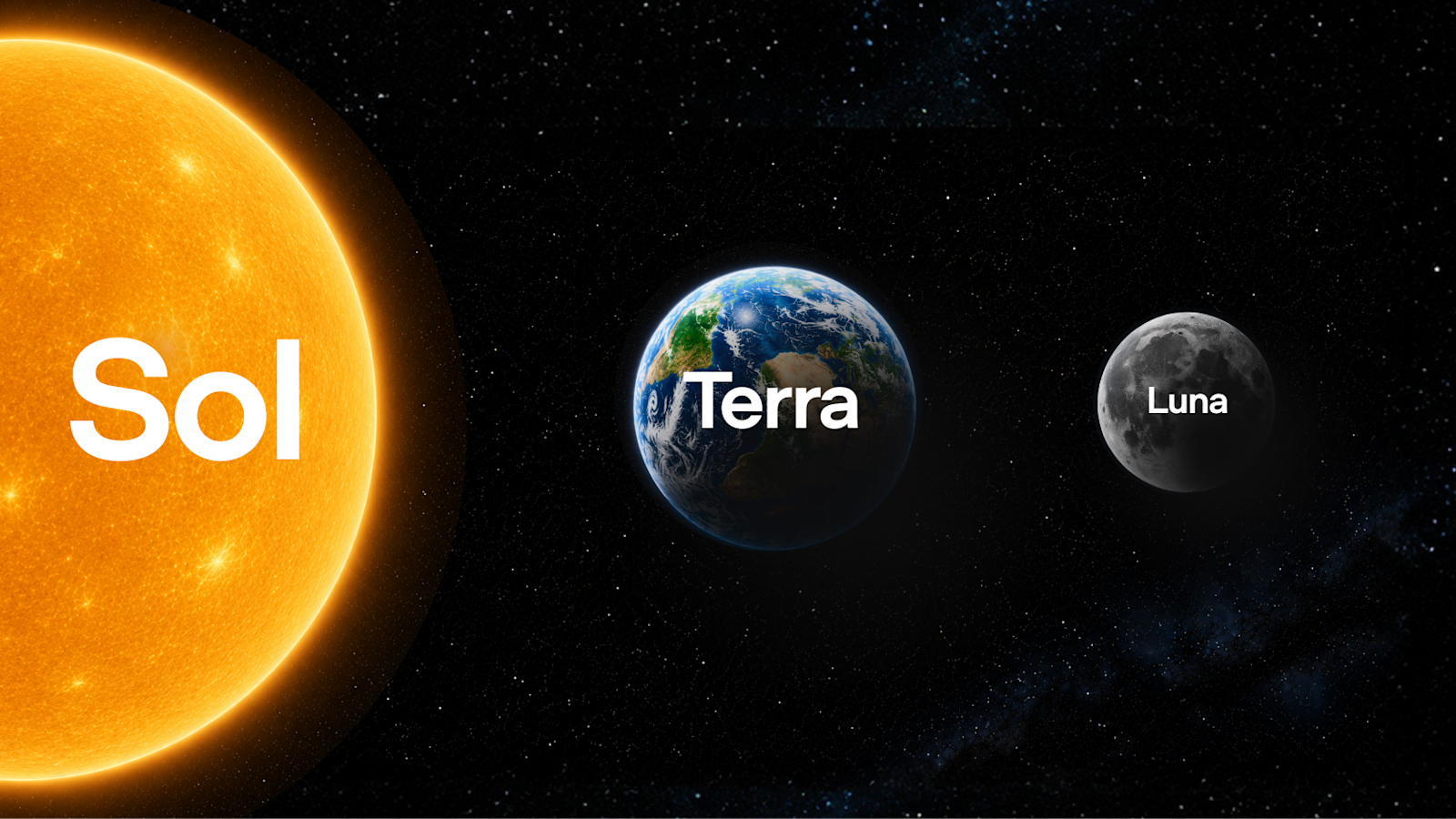
OpenAI GPT-5.6 Sol launches in restricted US-only preview
On June 26, 2026, OpenAI began a limited preview of its GPT‑5.6 model family—Sol, Terra and Luna—while delaying a full public rollout at the request of the US government. Access is initially restricted to about 20 “trusted partners” whose participation was cleared by federal officials, with broader availability promised in the coming weeks.

OpenAI and Anthropic face new era of US-controlled AI rollouts
On June 27, 2026, Indian outlet PoliticalPedia reported that the Trump administration is enforcing a case‑by‑case vetting regime for frontier AI models, citing Anthropic’s Mythos 5 and OpenAI’s GPT‑5.6. The piece says Mythos 5 is being restored only to vetted cybersecurity and infrastructure firms, while GPT‑5.6 Sol is confined to a small set of government‑approved enterprise customers.
OpenAI GPT-5.6 rollout curbed after US security request
The Trump administration has asked OpenAI to initially release its GPT‑5.6 model only to a small set of government‑approved partners, citing security concerns. On June 26, 2026, multiple outlets reported that OpenAI will stagger access and approve customers individually during a preview phase, with broader release pushed back by several weeks.

OpenAI faces White House pressure to slow GPT-5.6 rollout
OpenAI CEO Sam Altman told staff on June 25, 2026 that the White House has asked the company to restrict access to its new GPT‑5.6 model during an initial preview period. According to reporting relayed by TechCrunch from The Information, the Trump administration wants OpenAI to grant access customer‑by‑customer, with a broader public release only after government review. The move would mirror Anthropic’s earlier decision to keep its Mythos frontier model limited to select partners.
Discussion
Key Players
Delays AGI Timeline
This trend may slow progress toward AGI
OpenAI's phased release of GPT-5.6 highlights the tension between innovation and regulatory oversight. The U.S. government is closely monitoring AI advancements, emphasizing safety over speed. This dynamic reveals a cautious approach to AI deployment, balancing technological progress with national security.
Timeline
11 eventsOpenAI shutters Atlas browser and folds agents into ChatGPT Work
The decision to shut down the Atlas browser and integrate its features into ChatGPT Work indicates a strategic shift in product focus.
ChatGPT Work launches GPT‑5.6 agents for multi‑step office tasks
The introduction of GPT-5.6 agents for automating multi-step office tasks enhances the functionality of the ChatGPT Work tool.
Public launch of OpenAI GPT-5.6 models
OpenAI's GPT-5.6 model family, including Sol, Terra, and Luna, is set for public release after a government safety review.
OpenAI GPT-5.6 models cleared for July 9 public rollout
This article confirms the public availability of the GPT-5.6 models.
OpenAI launches GPT-5.6 Sol, Terra and Luna with new ChatGPT Work agent
This article confirms the broad release of the GPT-5.6 models and introduces a new productivity tool.