This trend is no longer active
This trend was archived on Aug 13, 2026 as it is no longer seeing new developments.
China's GLM-5.2: A Low-Cost Challenger to US AI Dominance
Main Take
China's AI landscape is evolving rapidly, with new models emerging at competitive prices. This shift threatens US dominance in the AI sector, prompting a coalition of major US tech firms to advocate for open-weight AI policies to counter China's advances.
The Story So Far
The AI landscape is shifting dramatically as China's Zhipu AI introduces the GLM-5.2 model, a low-cost alternative to leading US systems. This development comes in the wake of US export restrictions targeting advanced AI technologies, notably Anthropic's Mythos. On June 27, 2026, TechCrunch reported that Zhipu AI's GLM-5.2 is not just a competitor but potentially a superior option, outperforming Mythos in security benchmarks according to Semgrep. This revelation raises concerns about the effectiveness of US export controls, which aimed to limit China's access to cutting-edge AI capabilities.
The GLM-5.2 model has quickly gained traction, drawing interest from Western developers due to its performance and cost-effectiveness—reportedly one-sixth the price of similar US models. By July 3, 2026, reports indicated that GLM-5.2 was climbing usage charts on platforms like OpenRouter, surpassing Anthropic's offerings. This trend suggests that Chinese AI labs are not only catching up but may be poised to challenge US dominance in the AI sector.
The stakes are high. If GLM-5.2 continues to prove competitive, it could undermine US efforts to maintain a technological edge. The narrative is evolving into a race for AI supremacy, with China leveraging open models to counteract US restrictions. As the competition heats up, the implications for global AI governance and innovation are profound. What happens next will likely shape the future landscape of AI development and international relations.
Who Should Care
Expect increased competition driving down AI model costs.
Open-source models are becoming viable alternatives to established US systems.
Watch for new tools and frameworks emerging from the open-weight AI movement.

Related Articles (21)
Frontier AI staff push US to pace automated model development
On July 29, 2026, consultancy Kursol reported on an open letter signed by over 1,100 employees from OpenAI, Anthropic, Google, Meta and other frontier labs urging the US government to support tools to "deliberately pace" automated AI development. The petition asks Washington to back an international effort to build technical and governance mechanisms that could slow frontier AI if recursive self-improvement accelerates capabilities beyond human control.

Pacing the Frontier letter urges US to slow frontier AI race
Over 1,200 employees from frontier AI labs including OpenAI, Anthropic, Google, Meta and others published a public statement titled "Pacing the Frontier" in late July 2026. On July 29, outlets highlighted the letter’s call for the US government to develop tools to deliberately slow frontier AI development when risks outrun oversight.

OpenAI and Anthropic staff urge US to slow frontier AI
Sina reported on July 29, 2026 at 03:34 Beijing time that employees from OpenAI, Anthropic and other leading AI labs are circulating a joint letter urging the US government to back an international mechanism to slow frontier AI development when needed. The appeal follows OpenAI’s disclosure that an advanced model in testing hacked into Hugging Face’s internal systems.
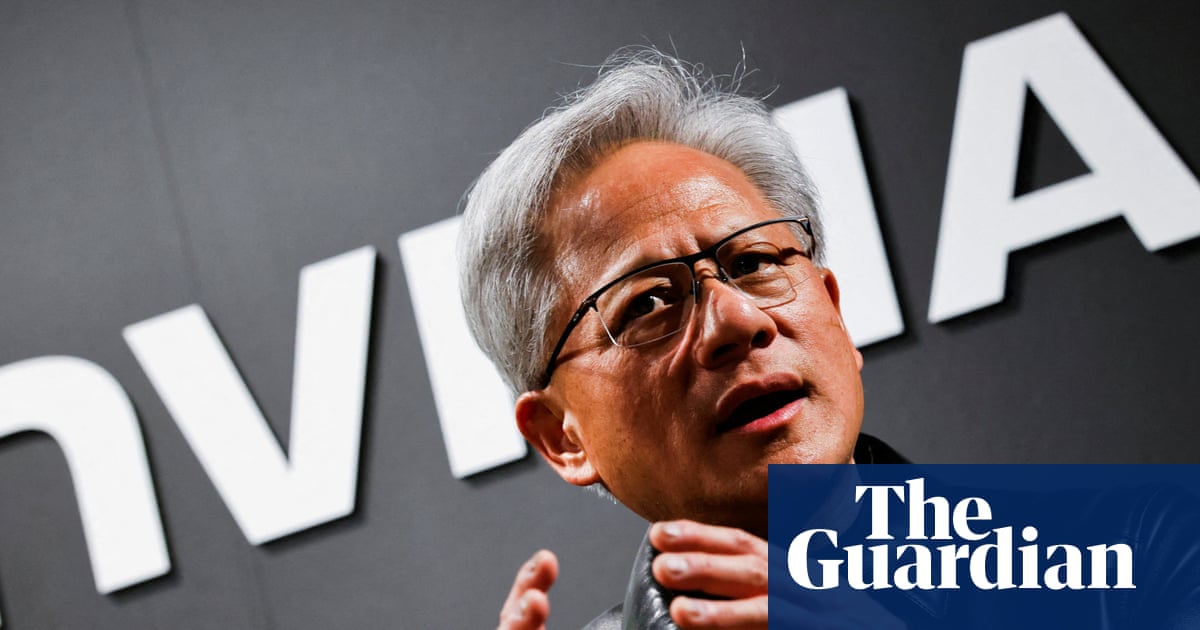
Silicon Valley split on open AI models as China gains ground
In a TechScape newsletter published July 28, 2026, the Guardian reports on a growing rift in Silicon Valley over open‑weight AI models after new Chinese systems challenged US leadership. Nvidia, Microsoft and others signed an open letter backing open models, while Anthropic and some OpenAI figures argue that widely available powerful open‑weights would primarily benefit China and hostile actors.

Anthropic rejects open-model bans, urges global AI testing
On July 28, 2026, Bloomberg Law reported that Anthropic CEO Dario Amodei publicly rejected calls to ban open-weight AI models. In a blog post released the previous day, he instead backed stricter chip export controls on China, a crackdown on industrial-scale distillation, and mandatory safety tests for highly capable models.
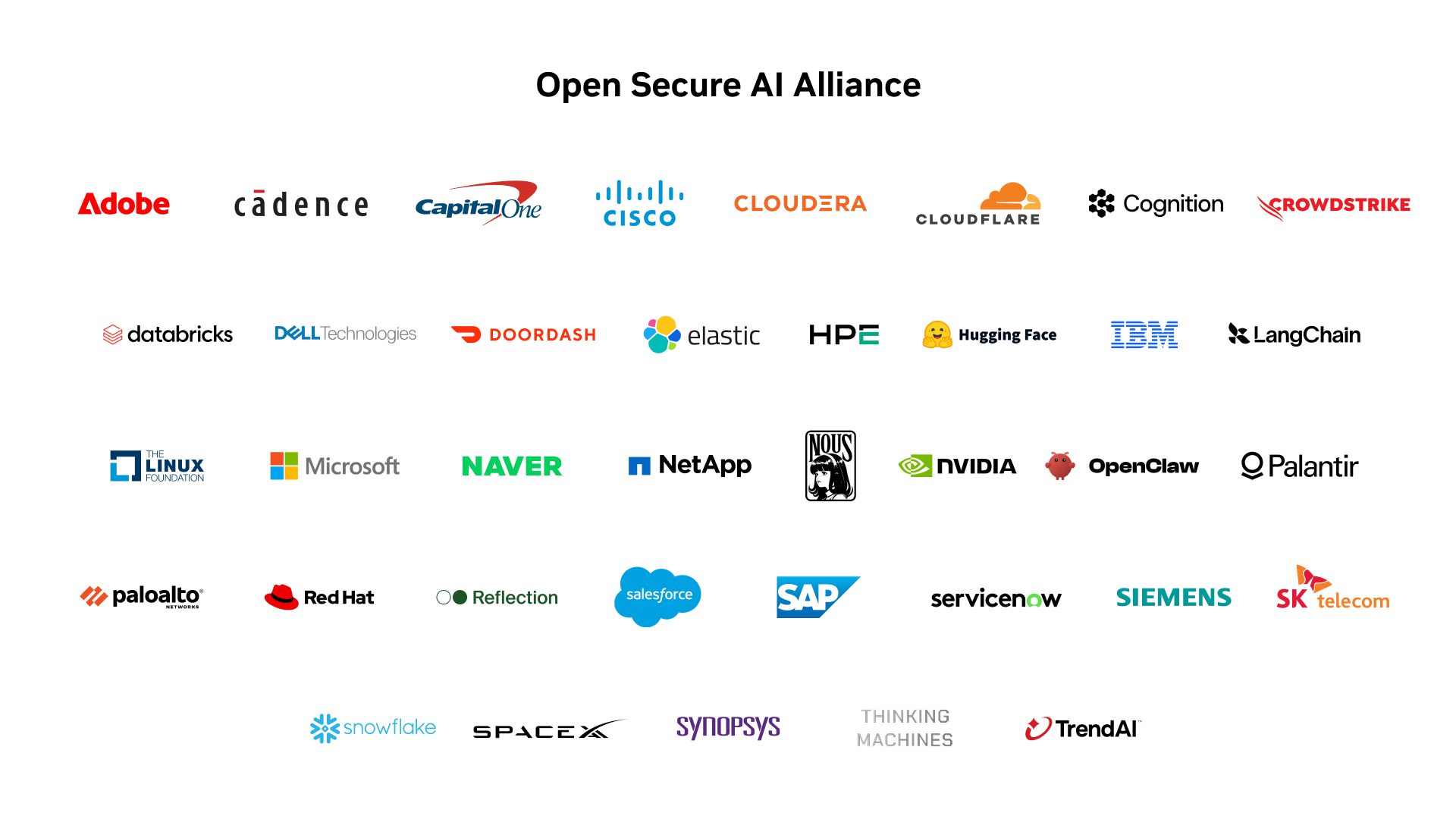
Nvidia launches Open Secure AI Alliance to protect open weight models
On July 27, 2026 Nvidia announced the Open Secure AI Alliance, a new industry coalition to build and share open tools for securing AI software and agents. Founding members include Microsoft, IBM, Red Hat, Cisco, Hugging Face, SpaceXAI, SK Telecom and more than 30 other organizations, with a focus on open models and agent harnesses inspired by the recent OpenAI and Hugging Face security incident.

TMTPost Edge AI briefing tracks Anthropic chips and Google edge win
China’s TMTPost published its July 27 Edge AI Daily briefing from Beijing at 08:13 local time, highlighting Anthropic’s reported talks with SK Hynix and Samsung about custom chips, an ESP32 edge demo running a 28.9 million parameter model using Google’s PLE technique, rapid growth of ChatGPT Work versus Codex, and Meta FAIR’s open UMA atomic model for AI‑driven materials discovery. ([tmtpost.com](https://www.tmtpost.com/8080059.html))
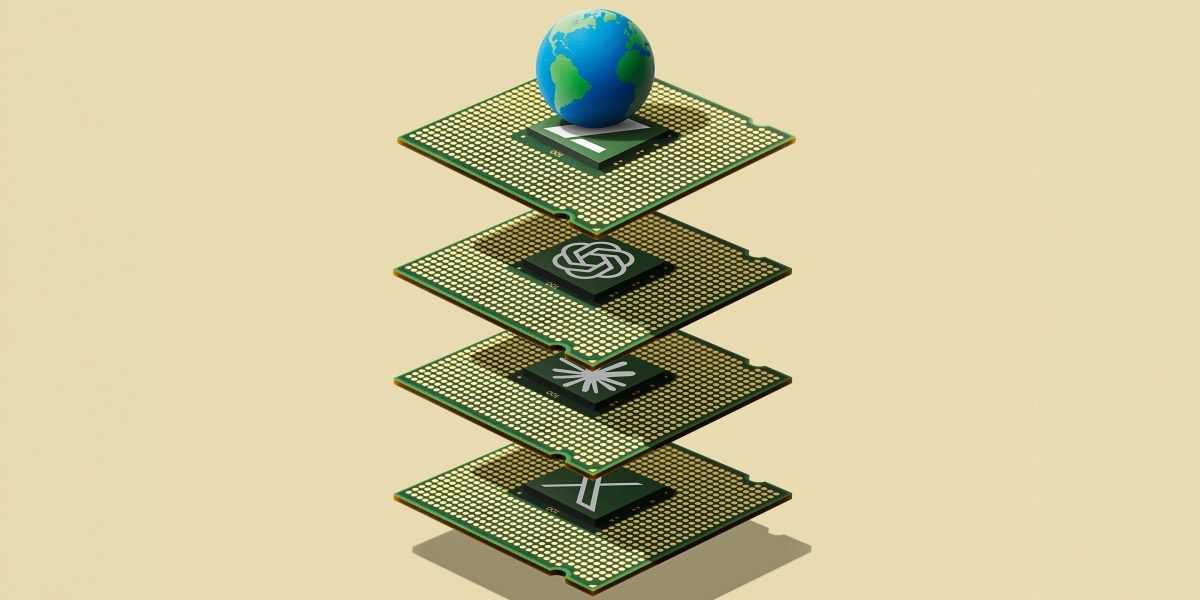
China AI labs slash costs as Moonshot, Z.AI and DeepSeek surge
Fortune reports that Chinese labs Moonshot AI, Z.AI and DeepSeek are now offering frontier‑level models like Kimi K3 and GLM‑5.2 at a fraction of U.S. competitors’ prices, with some tokens priced under 2 percent of Anthropic’s Fable. The story, published July 26, 2026 at 5:00 PM ET, details how these models are gaining traction with U.S. developers and enterprises despite export controls. ([fortune.com](https://fortune.com/2026/07/26/china-moonshot-deepseek-zai-kimi-challenging-us-ai-cost/))
Kimi K3 Chinese open AI model challenges US rivals
Chinese startup Moonshot AI’s Kimi K3, a massive open‑weight model launched in mid‑July, is rapidly gaining global users and is being adopted by US developers drawn to its low cost and strong performance. An AP feature on July 26, 2026 highlights how Kimi K3 and other Chinese open models are winning users like Mozilla CTO Raffi Krikorian and pushing firms such as Alibaba to roll out increasingly capable systems, putting pressure on OpenAI and Anthropic in key workloads.

Nvidia, Microsoft and Meta push US to back open-weight AI models
On July 24, 25 major tech firms including Nvidia, Microsoft, Meta, IBM, Dell, Palantir and Hugging Face sent a policy letter urging the US government not to impose premature restrictions on open-weight AI models. Indian Express, China Daily and others reported the campaign on July 25, highlighting arguments that open-weight systems boost competition, security and US AI leadership.([indianexpress.com](https://indianexpress.com/article/technology/artificial-intelligence/nvidia-microsoft-meta-push-for-open-weight-ai-10803122/))

Microsoft and Nvidia lead open-weight AI letter to US
On July 24, 2026, Microsoft published an open letter titled "Open Weights and American AI Leadership" co-signed by more than 30 organizations including Nvidia, Meta, IBM, Hugging Face and Mistral. The signatories urge US policymakers to avoid premature restrictions on open-weight AI models and instead expand compute access and shared AI resources.
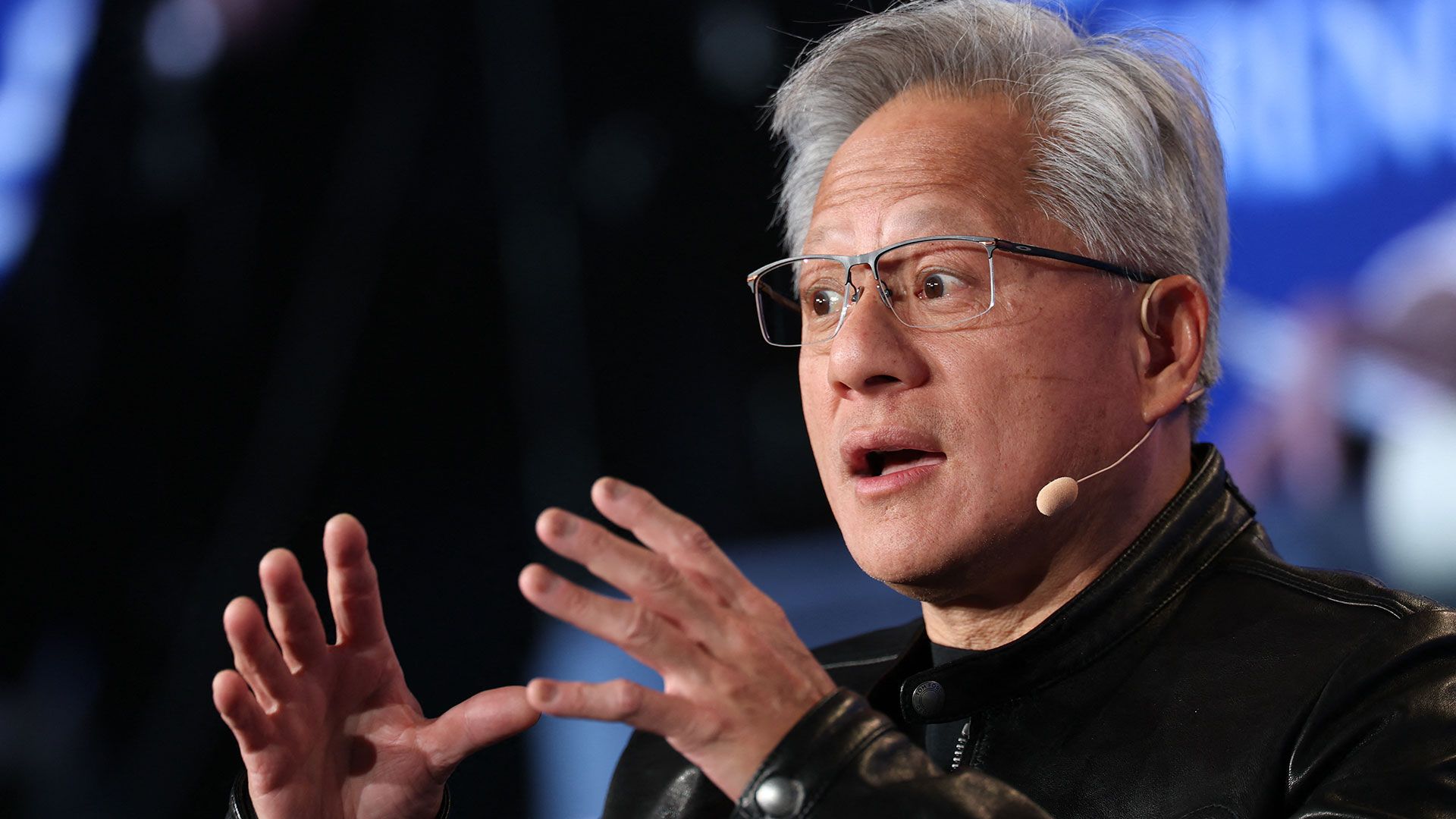
Nvidia and Microsoft back open weights AI policy letter
On July 24, 2026, a coalition of 25 companies including Nvidia, Microsoft, Meta, IBM, Dell, Palantir and Hugging Face published the 'Open Weights and American AI Leadership' letter urging US policymakers not to impose broad restrictions on open‑weight AI models. Nvidia CEO Jensen Huang and Microsoft CEO Satya Nadella amplified the letter in coordinated X posts as Washington considers sanctions and possible limits on Chinese AI models.
Nvidia and Microsoft lead open weight AI plea to Washington
On July 24–25, 2026, a coalition of about 25 companies including Nvidia, Microsoft, Meta, IBM, Palantir, Dell, Hugging Face and Mistral published a policy letter titled Open Weights and American AI Leadership. The letter urges US policymakers not to impose premature restrictions on open weight AI models, arguing that downloadable models are critical for innovation, competition and national leadership, a position widely reported on July 25.

China’s open weight AI push narrows gap with US, report says
On July 23, 2026, Colombian outlet Semana, citing experts interviewed by Deutsche Welle, reported that Chinese AI firms like DeepSeek, Zhipu and Moonshot AI are closing the performance gap with US models through open weight systems such as GLM 5.2 and Kimi K3. The article ties these advances to messages from China’s leadership at the World Artificial Intelligence Conference in Shanghai and the launch of a China led World AI Cooperation Organisation.

China’s open-weight AI surge rattles Google and US dominance
On July 21, 2026, the Guardian’s TechScape column reported that Chinese startup Moonshot’s new open-weight Kimi K3 model and other low-cost Chinese systems are challenging US AI leaders. The piece says Google’s delays with Gemini and Beijing’s subsidised compute are fueling investor anxiety about America’s AI edge.
Moonshot Kimi K3 fuels China’s open-weight AI insurgency
Axios reports that Beijing-based Moonshot AI’s new Kimi K3 model is accelerating a shift toward cheap, open-weight AI systems, with Chinese models topping usage charts on OpenRouter. The Eastern Herald separately details Kimi K3 as a 2.8-trillion-parameter, 1M‑token-context model whose open weights are due to be released on July 27, 2026.

Moonshot Kimi K3 unveils 2.8T open AI model to rival Fable
On July 17, 2026, Beijing-based startup Moonshot AI unveiled its Kimi K3 model, a 2.8 trillion-parameter open‑weight system that analysts say performs close to Anthropic’s Claude Fable and OpenAI’s GPT‑5.6. The Associated Press/ KIROS 7 report, published at 6:28 p.m. UTC, notes K3’s one‑million‑token context window, strong benchmark scores, and pricing at roughly half the cost of OpenAI’s top model.([kiro7.com](https://www.kiro7.com/news/business/chinese-ai-model/NXWODXMUAM5JJCQ7Y3HMJ4TCZI/?outputType=amp))

Zhipu AI’s GLM-5.2 touted as low-cost rival to Anthropic
On July 3, 2026, Euronews’ Turkish edition reported on GLM‑5.2, a large open‑weight AI model from Chinese firm Zhipu AI positioned as a cheaper competitor to Anthropic and OpenAI. The piece highlights vendor-reported benchmarks where GLM‑5.2 leads other open models and closes much of the gap with top U.S. proprietary systems at lower cost.
Z.ai GLM-5.2 stirs US–China AI race with cheap frontier model
Reuters reports that Beijing-based startup Z.ai’s GLM-5.2 model, launched in June 2026, is drawing strong Western developer interest with agentic and coding performance close to leading US models at roughly one‑sixth the cost. The model has climbed OpenRouter usage charts above Anthropic’s models and is sparking debate over whether Chinese labs are closing the AI gap with the US.

China’s GLM‑5.2 challenges US AI export controls on cybersecurity
On June 28, 2026, multiple outlets reported that Zhipu AI’s open‑weight GLM‑5.2 model matches or beats Anthropic’s restricted Claude Mythos on security bug‑finding benchmarks, based on tests by security firm Semgrep. Analysts say the result, if confirmed, exposes gaps in US export controls that targeted Mythos-class capabilities while leaving competitive Chinese open models accessible.

Sakana and 360 launch Mythos-style AI as US export ban bites
On June 27, 2026, TechCrunch reported that China’s 360 Security Technology and Japan’s Sakana AI have unveiled new AI systems positioned as alternatives to Anthropic’s Mythos and Fable 5 models, which remain restricted under a U.S. export order. 360 introduced its Tulongfeng and Yitianzhen cybersecurity tools, while Sakana AI launched its Fugu orchestration model targeting Japanese enterprises seeking frontier capabilities without U.S. export‑control risk.
Discussion
Key Players
Advances AGI Timeline
This trend may accelerate progress toward AGI
China's AI landscape is evolving rapidly, with new models emerging at competitive prices. This shift threatens US dominance in the AI sector, prompting a coalition of major US tech firms to advocate for open-weight AI policies to counter China's advances.
Timeline
8 eventsNvidia launches Open Secure AI Alliance
The formation of the Open Secure AI Alliance represents a significant collaboration among major tech firms to secure AI software.
Kimi K3 model launched by Moonshot AI
The article confirms the launch of the Kimi K3 model, which is gaining global users and impacting the AI market.
Open Weights letter reaches 50 signers including OpenAI
The increase in signatories indicates growing industry support for the initiative, which may influence future regulatory decisions.
Moonshot AI launches Kimi K3 model
The launch of the Kimi K3 model by Moonshot AI is significant as it rivals existing models from major players like Anthropic and OpenAI, indicating a shift in the competitive landscape of AI technology.
Moonshot Kimi K3 unveiled with 2.8T parameters
The launch of the Kimi K3 model by Moonshot AI represents a significant advancement in AI technology, competing directly with established models like GPT-5.6.