Zhipu AI’s GLM-5.2 touted as low-cost rival to Anthropic
TL;DR
On July 3, 2026, Euronews’ Turkish edition reported on GLM‑5.2, a large open‑weight AI model from Chinese firm Zhipu AI positioned as a cheaper competitor to Anthropic and OpenAI. The piece highlights vendor-reported benchmarks where GLM‑5.2 leads other open models and closes much of the gap with top U.S. proprietary systems at lower cost.
About this summary
This article aggregates reporting from 1 news source. The TL;DR is AI-generated from original reporting. Race to AGI's analysis provides editorial context on implications for AGI development.
Read next
Race to AGI Analysis
GLM‑5.2 underscores how quickly China’s open‑weight ecosystem is narrowing the gap with U.S. frontier labs on coding and agentic tasks. Zhipu is explicitly pitching the model as ‘good enough’ for many high‑value workloads at a fraction of the price, and its permissive licensing plus strong long‑horizon performance make it attractive for both local deployment and third‑party hosting. That combination—competitive capability, open weights and aggressive pricing—directly pressures the closed API business models of OpenAI, Anthropic and Google in markets that are sensitive to data sovereignty or U.S. export controls. ([tr.euronews.com](https://tr.euronews.com/next/2026/07/03/anthropice-rakip-cinli-yapay-zeka-modeli-glm-52-tanitildi?utm_source=openai))
For the race to AGI, GLM‑5.2 doesn’t have to be strictly “better” than Claude or GPT‑5‑series; it just has to be good enough that thousands of teams can run serious agent workloads without asking permission from a U.S. platform. That accelerates diffusion of advanced capabilities into universities, mid‑tier enterprises and state‑linked labs across the Global South. It also gives Beijing a credible answer to Western export restrictions: if proprietary U.S. models are gated, domestic open‑weight alternatives can fill the gap and still advance the frontier. The net effect is to make the global AI landscape more multipolar and harder to govern, even as it accelerates real‑world experimentation with agentic systems.
Who Should Care
Related News

Korean firms use AI to cut Kakao data center cooling costs by 23 percent
5 days ago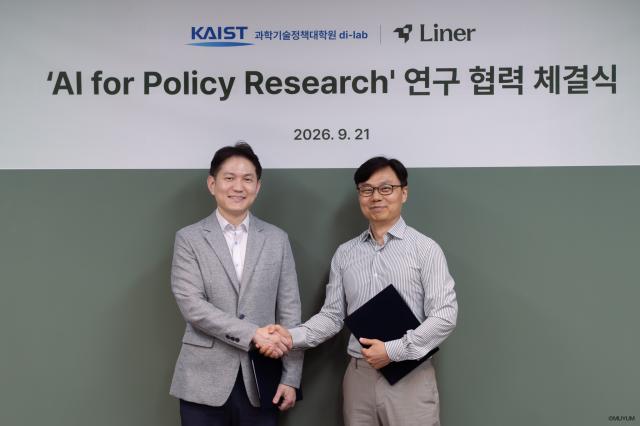
KAIST and Reiner sign MOU on AI agent for policy research
5 days agoFastly launches AI Firewall and runtime controls to secure LLM traffic
5 days ago