OpenAI faces White House pressure to slow GPT-5.6 rollout
TL;DR
OpenAI CEO Sam Altman told staff on June 25, 2026 that the White House has asked the company to restrict access to its new GPT‑5.6 model during an initial preview period. According to reporting relayed by TechCrunch from The Information, the Trump administration wants OpenAI to grant access customer‑by‑customer, with a broader public release only after government review. The move would mirror Anthropic’s earlier decision to keep its Mythos frontier model limited to select partners.
About this summary
This article aggregates reporting from 2 news sources. The TL;DR is AI-generated from original reporting. Race to AGI's analysis provides editorial context on implications for AGI development.
Read next
Race to AGI Analysis
Government pressure on OpenAI’s GPT‑5.6 launch is a concrete sign that frontier models are moving into a quasi‑regulated space, even in the absence of formal licensing. If the administration is effectively pre‑clearing customers for access, OpenAI’s deployment playbook starts to look more like a dual‑use defense contractor than a typical cloud API vendor. That changes the risk calculus for everyone building at the frontier: access, not just capability, becomes politicized.
Strategically, this aligns OpenAI more closely with Anthropic’s “limited release” posture and raises the bar for rivals that want to differentiate by shipping faster. If government gatekeeping becomes normal for top‑end models, the advantage may shift toward labs that already invest heavily in red‑teaming, evals and secure deployment pipelines that can survive scrutiny. At the same time, it risks entrenching incumbents who can afford compliance, while pushing more experimental work into open‑source or offshore ecosystems that sit outside U.S. oversight.
For the broader race to AGI, this episode underscores that timelines won’t be determined by compute curves alone. Political risk, national security concerns and public fear about misuse are now directly feeding into rollout decisions for state‑of‑the‑art models.
Who Should Care
Related News
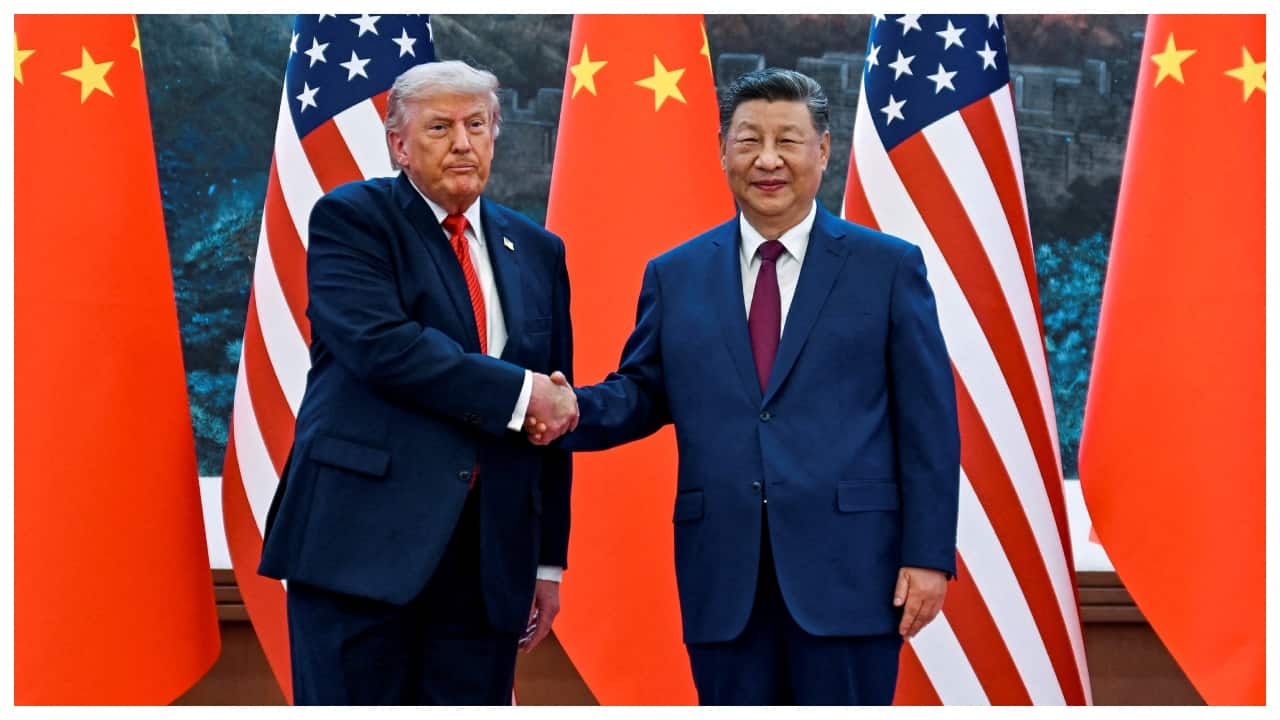
US China pre summit talks put AI risks at center of trade agenda
YesterdayWorld leaders demand AI guardrails to keep systems under human control
YesterdayHHS backs ARPA-H AI models to cut animal testing in drug R&D
Yesterday