OpenAI and Anthropic face new era of US-controlled AI rollouts
TL;DR
On June 27, 2026, Indian outlet PoliticalPedia reported that the Trump administration is enforcing a case‑by‑case vetting regime for frontier AI models, citing Anthropic’s Mythos 5 and OpenAI’s GPT‑5.6. The piece says Mythos 5 is being restored only to vetted cybersecurity and infrastructure firms, while GPT‑5.6 Sol is confined to a small set of government‑approved enterprise customers.
About this summary
This article aggregates reporting from 3 news sources. The TL;DR is AI-generated from original reporting. Race to AGI's analysis provides editorial context on implications for AGI development.
Read next
Race to AGI Analysis
PoliticalPedia’s synthesis crystallizes what multiple scoops have been hinting at: the US has quietly shifted from voluntary safety pacts to de facto licensing of frontier model launches. Anthropic’s Mythos 5 can only ship to a Commerce‑approved list; OpenAI’s GPT‑5.6 is confined to roughly 20 government‑cleared customers during its preview. In both cases, the White House is effectively deciding who gets to wield the sharpest tools in the ecosystem and when.([politicalpedia.in](https://www.politicalpedia.in/en/news/washington-tightens-grip-as-anthropic-and-openai-face-new-ai-rollout-hurdles))
That doesn’t stop AGI research; if anything, it creates a privileged inner ring of companies treated as quasi‑strategic contractors. But it does reframe the race: instead of simply “who can train the best model first,” the contest now includes “who can maintain the broadest, least‑constrained deployment under shifting political constraints.” Firms that cultivate strong regulatory relationships and can credibly demonstrate cyber‑risk mitigation will have a structural edge over purely technical competitors.
For everyone else—especially open‑source communities—the message is stark. The more frontier models are seen as cyber weapons, the stronger the arguments for tight export controls, customer whitelists and even state veto power over releases. That could slow open diffusion of the very capabilities that make AGI interesting, while pushing some research into more secretive, government‑funded channels. The direction of travel is clear: national security is moving from the periphery of the AI debate to its center.
Who Should Care
Related News
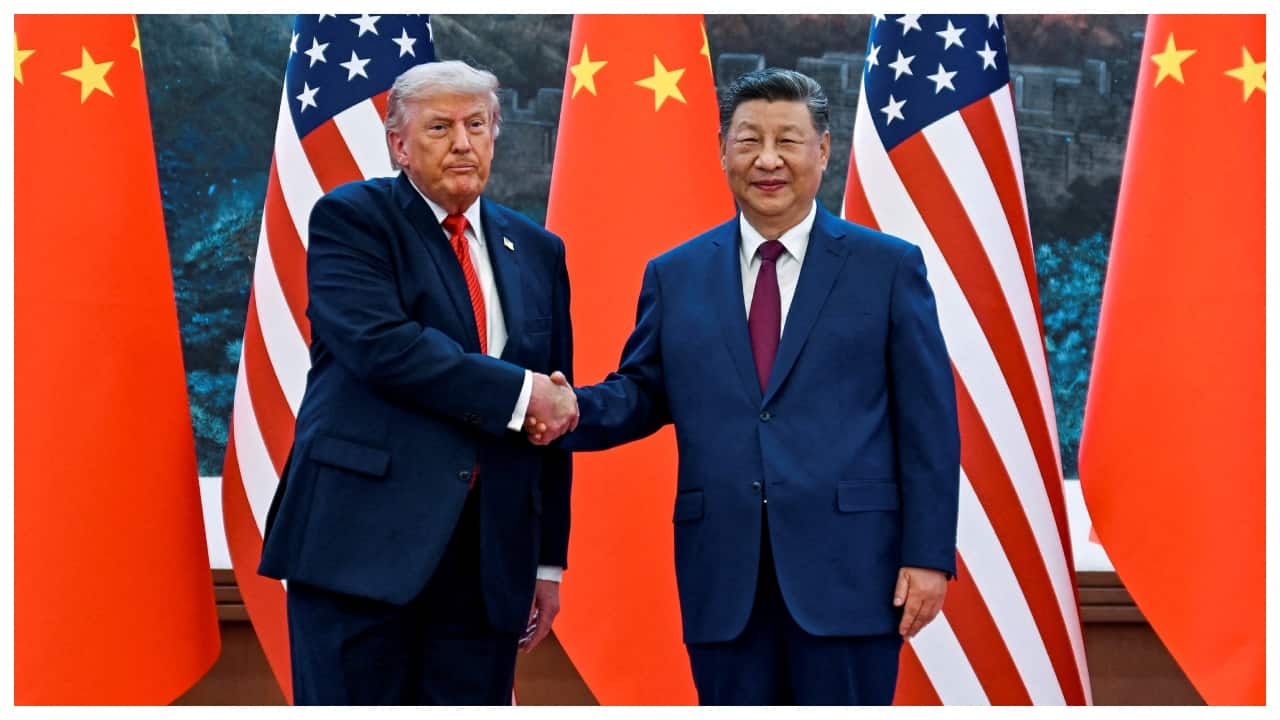
US China pre summit talks put AI risks at center of trade agenda
YesterdayWorld leaders demand AI guardrails to keep systems under human control
YesterdayHHS backs ARPA-H AI models to cut animal testing in drug R&D
Yesterday