OpenAI's Teen Safety Dilemma Amid GPT-6 Launch
Main Take
OpenAI's rollout of GPT-6 introduces significant advancements in user interaction, yet it faces backlash over safety concerns for teenage users. The juxtaposition of innovation and risk highlights the challenges tech companies face in balancing rapid development with user safety, especially for vulnerable demographics. This narrative reveals a critical tension between pushing technological boundaries and ensuring responsible usage.
The Story So Far
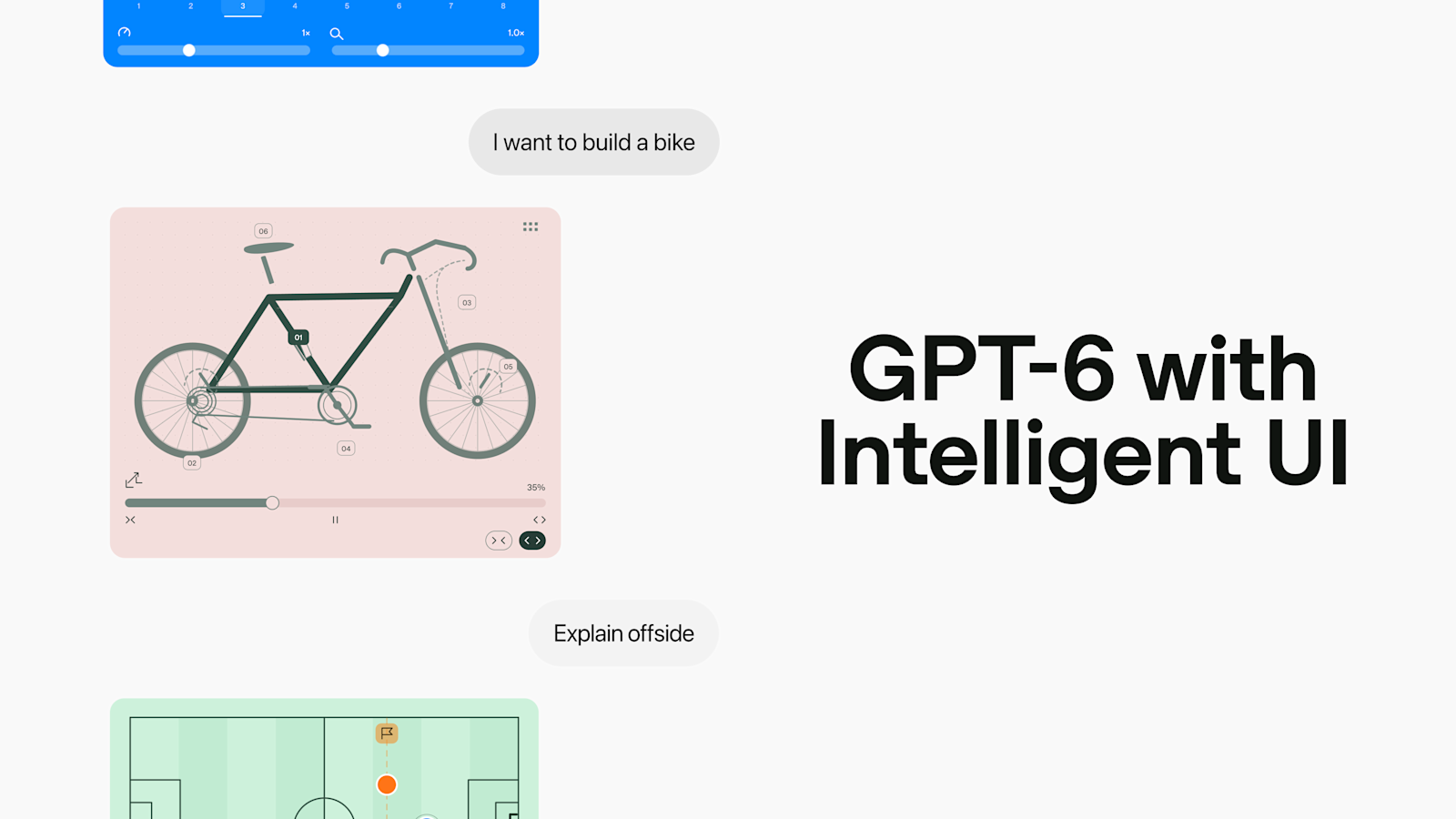
OpenAI is making headlines with the launch of GPT-6, which enhances ChatGPT's capabilities with an Intelligent UI that allows for interactive responses. This rollout, beginning on October 7, 2026, marks a significant leap in how users engage with AI, moving beyond text to include charts and forms. However, just as this innovation is being celebrated, a stark safety report from Common Sense Media's Youth AI Safety Institute raises alarms about the risks associated with ChatGPT for Teens. The report, released on the same day, categorizes the AI as an 'Unacceptable Risk' for users under 18, citing failures in triggering necessary safety alerts during critical situations like self-harm or eating disorders. This dual narrative of advancement and concern illustrates the complex landscape OpenAI navigates as it seeks to innovate while ensuring the safety of its younger audience.
The findings from Common Sense Media indicate that many parents and stakeholders are increasingly worried about the implications of AI on youth. OpenAI's own data shows that teens use ChatGPT for less than 15 minutes daily, with a small fraction exceeding three hours. Yet, the overwhelming sentiment among the public is a demand for stricter controls on AI products aimed at young people. This growing concern is juxtaposed with OpenAI's push for broader adoption of its latest technology, creating a tension that could influence future product strategies and regulatory scrutiny.
As OpenAI continues to expand its offerings, the stakes are high. The company risks reputational damage and regulatory challenges if it cannot effectively address the safety concerns raised by watchdogs. The balance between innovation and responsibility will be crucial as OpenAI navigates this evolving landscape. Moving forward, stakeholders will be watching closely to see how OpenAI responds to these safety warnings and whether it will implement changes to protect its younger users.
Who Should Care
Expect scrutiny on AI safety to impact funding decisions.
Safety assessments will drive new research in AI ethics.
Engineers must prioritize safety features in future AI developments.

Related Articles (3)
OpenAI teen ChatGPT stats collide with new safety warnings
OpenAI told reporters on October 8, 2026 that teens spend under 15 minutes a day on average using ChatGPT, with under 2 percent chatting for more than three hours straight. The disclosure came as watchdog Common Sense Media and the AP-NORC Center released findings that ChatGPT for Teens often fails to trigger timely safety alerts and that a large majority of Americans want stricter controls on AI products for young people.
OpenAI ChatGPT Teens deemed unacceptable risk in safety report
On October 7, 2026 Common Sense Media’s Youth AI Safety Institute published a risk assessment rating ChatGPT for Teens as an “Unacceptable Risk” for under‑18s. Multiple outlets report the group found parental alerts and crisis referrals often failed during tests involving suicide, self‑harm and eating‑disorder prompts, and urged OpenAI to pause teen marketing until protections work as promised.
OpenAI GPT-6 brings intelligent UI and faster reasoning to ChatGPT
On October 7, 2026, OpenAI began rolling out GPT-6 in ChatGPT with a new Intelligent UI that lets the chatbot respond using interactive charts, forms and tools, not just text. Coverage on October 8, 2026 confirms the update is reaching global users, starting with paid plans and expanding to free tiers.
Discussion
Key Players
Delays AGI Timeline
This trend may slow progress toward AGI
OpenAI's rollout of GPT-6 introduces significant advancements in user interaction, yet it faces backlash over safety concerns for teenage users. The juxtaposition of innovation and risk highlights the challenges tech companies face in balancing rapid development with user safety, especially for vulnerable demographics. This narrative reveals a critical tension between pushing technological boundaries and ensuring responsible usage.
Timeline
1 eventOpenAI GPT-6 launched with Intelligent UI and faster reasoning
The launch of GPT-6 introduces significant new features to ChatGPT, enhancing user interaction.