Global Governance for Ethical AI Emerges
Main Take
Experts are demanding urgent global rules for military AI. The call for governance reflects a growing recognition of AI's potential to disrupt global stability and human rights. This trend highlights the need for frameworks that prioritize ethical considerations and human dignity in AI deployment.
The Story So Far
The global conversation on ethical AI governance is intensifying. Recent calls from influential figures highlight the urgent need for frameworks that ensure AI serves humanity rather than exacerbating inequality or conflict. At the Doha Forum 2025, experts warned that military applications of AI, particularly in nuclear command and autonomous weapons, pose significant risks. They advocated for accountability measures and frameworks like the REAIM commission’s 'Responsible by Design' report to align military AI with human rights and international law.
Pope Leo XIV added a moral dimension to the discussion at a Vatican conference. He emphasized that AI should not concentrate wealth and power but instead promote human dignity and inclusivity. His remarks echoed concerns from a UN report about a potential 'Great Divergence' between wealthy and poorer nations, urging frameworks that prioritize the welfare of vulnerable populations, especially children and young people.
In Italy, the establishment of the Society for the Ethics and Politics of Artificial Intelligence (SEPAI) marks a significant step in addressing these issues. Founded by Universities Roma Tre and Pegaso, SEPAI aims to explore the ethical and political implications of AI on democracy and society. Its inaugural conference, featuring 100 scholars and multiple round tables, positions Italy as a key player in the international debate on AI governance.
The stakes are high. Without proper governance, AI could exacerbate existing inequalities and pose threats to global security. The push for ethical frameworks is not just about regulation; it's about shaping the future of technology to align with human values. Watch for more international collaborations and initiatives aimed at establishing ethical standards in AI as this narrative unfolds.
Who Should Care
Expect increased funding in ethical AI initiatives.
Research on AI governance frameworks will gain traction.
Engineers must integrate ethical considerations into AI development.

Related Articles (3)
Experts at Doha Forum urge new global rules to govern AI in warfare
At the Doha Forum 2025, a panel of international experts warned that rapidly advancing military uses of AI—especially in nuclear command and autonomous weapons—require urgent global rules to ensure accountability and human control. Speakers argued that AI is a “civilizational technology” akin to electricity and called for governance frameworks like the REAIM commission’s “Responsible by Design” report to keep military AI aligned with human rights and international law.([koreatimes.co.kr](https://www.koreatimes.co.kr/amp/foreignaffairs/others/20251206/ai-risks-in-warfare-demand-new-global-rules))
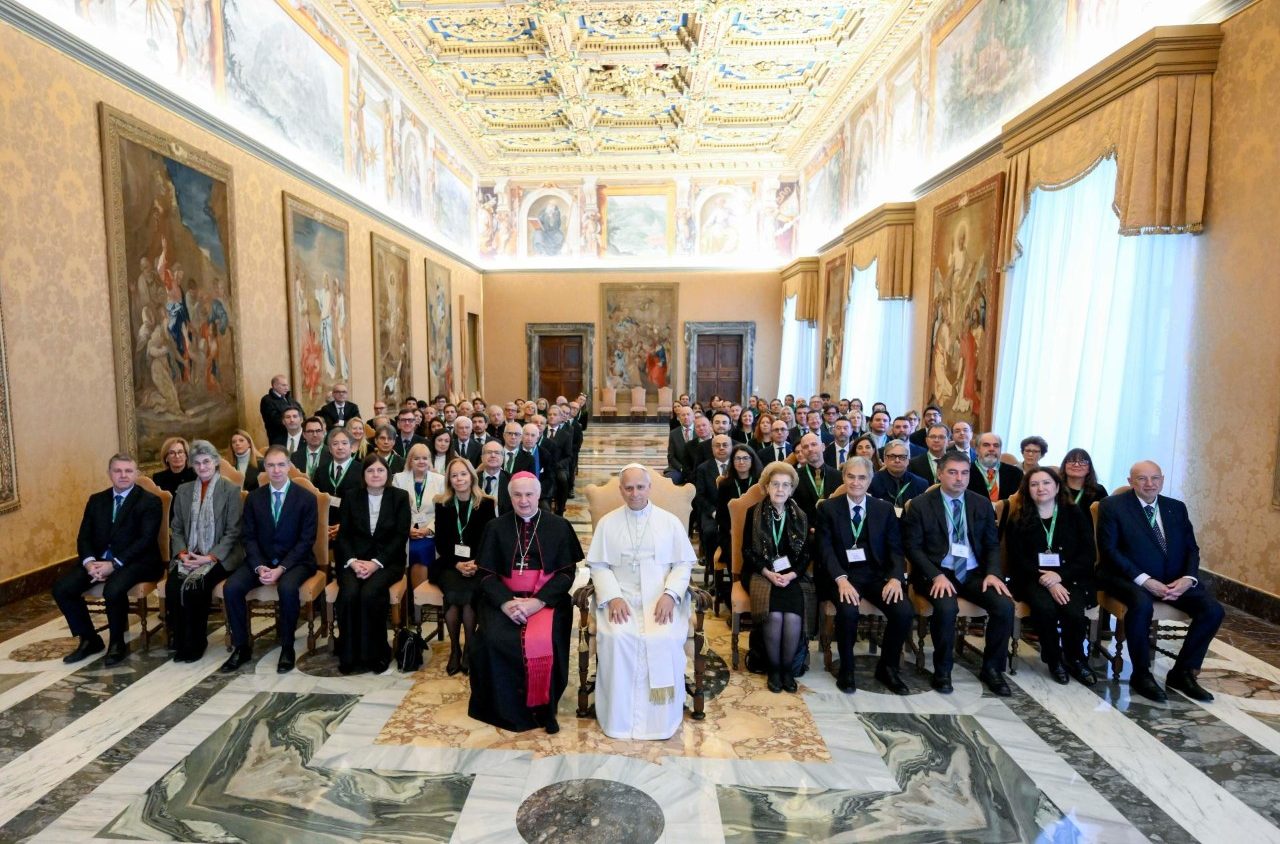
Pope Leo XIV urges that AI serve the common good, not concentrate wealth and power
Speaking to participants at a Vatican conference on “Artificial Intelligence and Care of Our Common Home,” Pope Leo XIV said AI forces humanity to ask what it means to be human and warned that the technology must not be used solely to accumulate wealth and power in the hands of a few. Citing a UN report on the risk of a new ‘Great Divergence’ between rich and poor countries, he called for frameworks that safeguard human dignity, especially that of children and young people, and ensure AI is deployed inclusively for human development. ([cruxnow.com](https://cruxnow.com/vatican/2025/12/ai-forces-us-to-ask-what-does-it-mean-to-be-human-pope-leo-says))

Italy launches Society for the Ethics and Politics of Artificial Intelligence in Rome
Universities Roma Tre and Pegaso have helped found SEPAI, the Society for the Ethics and Politics of Artificial Intelligence, a new observatory in Rome focused on the ethical and political impact of AI on democratic decision‑making, the economy and society. Its inaugural two‑day conference, featuring around 100 scholars and 26 round tables, aims to make Italy a reference point in international debates on AI power, responsibility and governance. ([roma.repubblica.it](https://roma.repubblica.it/cronaca/2025/12/04/news/intelligenza_artificiale_roma_sepai_universita-425022411/?utm_source=openai))
Discussion
Neutral Impact
This trend has minimal direct impact on AGI timeline
Experts are demanding urgent global rules for military AI. The call for governance reflects a growing recognition of AI's potential to disrupt global stability and human rights. This trend highlights the need for frameworks that prioritize ethical considerations and human dignity in AI deployment.
Timeline
1 eventItaly launches Society for the Ethics and Politics of Artificial Intelligence
The establishment of SEPAI represents a significant step in addressing ethical and political issues related to AI.