Nvidia and Microsoft Champion Open-Weight AI Policy
Main Take
Nvidia and Microsoft are rallying major tech firms to support open-weight AI models. Their coalition argues that these models enhance competition and innovation, crucial for maintaining US leadership in AI. This movement reflects a broader trend where companies resist regulatory constraints that could stifle advancements in AI capabilities.
The Story So Far
The AI landscape is shifting as Nvidia and Microsoft spearhead a movement for open-weight AI models. This push comes amid increasing concerns over regulatory measures that could limit innovation. The backdrop includes a growing debate on the implications of open versus closed AI systems, with major players like OpenAI and Google now joining the call for open access.
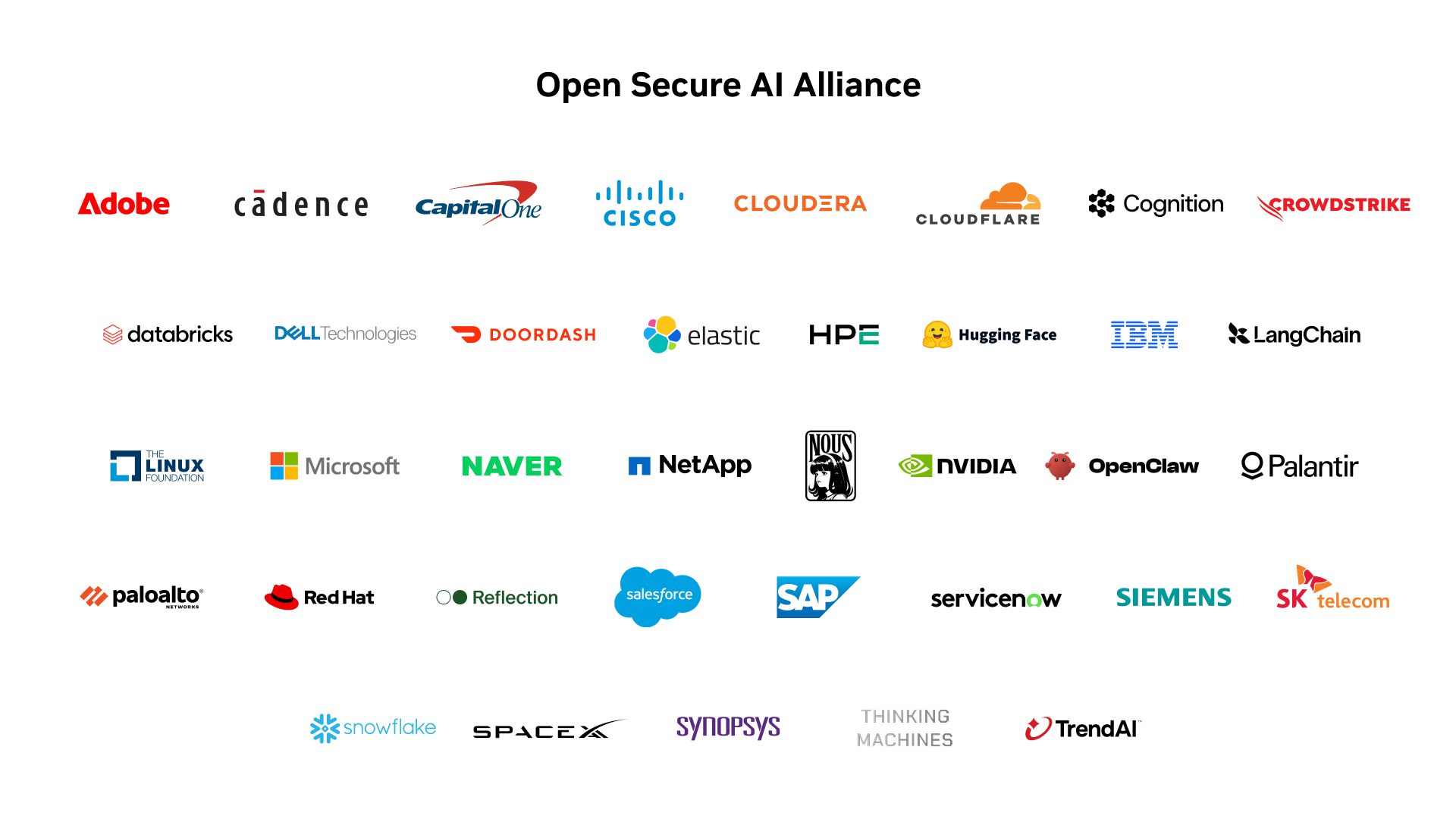
In late July 2026, Nvidia announced the formation of the Open Secure AI Alliance, uniting over 30 organizations, including Microsoft, IBM, and Hugging Face. This coalition aims to develop tools for securing AI while promoting open models. The urgency of this initiative is underscored by recent security incidents involving AI systems, prompting a collective response from industry leaders.
On July 24, a significant policy letter titled "Open Weights and American AI Leadership" was co-signed by 25 tech giants, urging the US government to avoid premature restrictions on open-weight AI models. The letter argues that open models are essential for fostering competition and ensuring national leadership in AI. As of July 26, the signatories had doubled to 50, with notable additions like OpenAI and Google, while Anthropic and Amazon remain absent from the list.
The stakes are high. Advocates believe that open-weight systems will lead to more robust AI development, benefiting not just the tech industry but also national security. Conversely, opponents worry about the risks associated with unregulated AI proliferation. The outcome of this debate will shape the future of AI policy and innovation.
Looking ahead, the momentum behind open-weight models is likely to influence upcoming legislative discussions in Washington. Companies will continue to push for policies that favor open access, potentially reshaping the competitive landscape in AI.
Who Should Care
Expect increased investment in open-source AI initiatives as major players push for fewer restrictions.
Open-weight models could accelerate collaborative research and development, enhancing innovation speed.
Engineers will benefit from more accessible tools and models, fostering creativity and experimentation.

Related Articles (7)
Anthropic rejects open-model bans, urges global AI testing
On July 28, 2026, Bloomberg Law reported that Anthropic CEO Dario Amodei publicly rejected calls to ban open-weight AI models. In a blog post released the previous day, he instead backed stricter chip export controls on China, a crackdown on industrial-scale distillation, and mandatory safety tests for highly capable models.
Nvidia launches Open Secure AI Alliance to protect open weight models
On July 27, 2026 Nvidia announced the Open Secure AI Alliance, a new industry coalition to build and share open tools for securing AI software and agents. Founding members include Microsoft, IBM, Red Hat, Cisco, Hugging Face, SpaceXAI, SK Telecom and more than 30 other organizations, with a focus on open models and agent harnesses inspired by the recent OpenAI and Hugging Face security incident.

Nvidia open-weights letter hits 50 signers as OpenAI joins
On July 26, 2026, new reports from Australia and crypto markets said the “Open Weights and American AI Leadership” letter has grown from 25 to 50 signatories within a day. OpenAI and Google reportedly added their names, while Anthropic and Amazon remain notable holdouts in the open‑weight AI debate.
Nvidia, Microsoft and Meta push US to back open-weight AI models
On July 24, 25 major tech firms including Nvidia, Microsoft, Meta, IBM, Dell, Palantir and Hugging Face sent a policy letter urging the US government not to impose premature restrictions on open-weight AI models. Indian Express, China Daily and others reported the campaign on July 25, highlighting arguments that open-weight systems boost competition, security and US AI leadership.([indianexpress.com](https://indianexpress.com/article/technology/artificial-intelligence/nvidia-microsoft-meta-push-for-open-weight-ai-10803122/))

Microsoft and Nvidia lead open-weight AI letter to US
On July 24, 2026, Microsoft published an open letter titled "Open Weights and American AI Leadership" co-signed by more than 30 organizations including Nvidia, Meta, IBM, Hugging Face and Mistral. The signatories urge US policymakers to avoid premature restrictions on open-weight AI models and instead expand compute access and shared AI resources.
Nvidia and Microsoft back open weights AI policy letter
On July 24, 2026, a coalition of 25 companies including Nvidia, Microsoft, Meta, IBM, Dell, Palantir and Hugging Face published the 'Open Weights and American AI Leadership' letter urging US policymakers not to impose broad restrictions on open‑weight AI models. Nvidia CEO Jensen Huang and Microsoft CEO Satya Nadella amplified the letter in coordinated X posts as Washington considers sanctions and possible limits on Chinese AI models.
Nvidia and Microsoft lead open weight AI plea to Washington
On July 24–25, 2026, a coalition of about 25 companies including Nvidia, Microsoft, Meta, IBM, Palantir, Dell, Hugging Face and Mistral published a policy letter titled Open Weights and American AI Leadership. The letter urges US policymakers not to impose premature restrictions on open weight AI models, arguing that downloadable models are critical for innovation, competition and national leadership, a position widely reported on July 25.
Discussion
Key Players
Advances AGI Timeline
This trend may accelerate progress toward AGI
Nvidia and Microsoft are rallying major tech firms to support open-weight AI models. Their coalition argues that these models enhance competition and innovation, crucial for maintaining US leadership in AI. This movement reflects a broader trend where companies resist regulatory constraints that could stifle advancements in AI capabilities.
Timeline
1 eventNvidia open-weights letter hits 50 signers as OpenAI joins
The increase in signatories to the letter indicates growing support for the initiative, which could influence future policy.