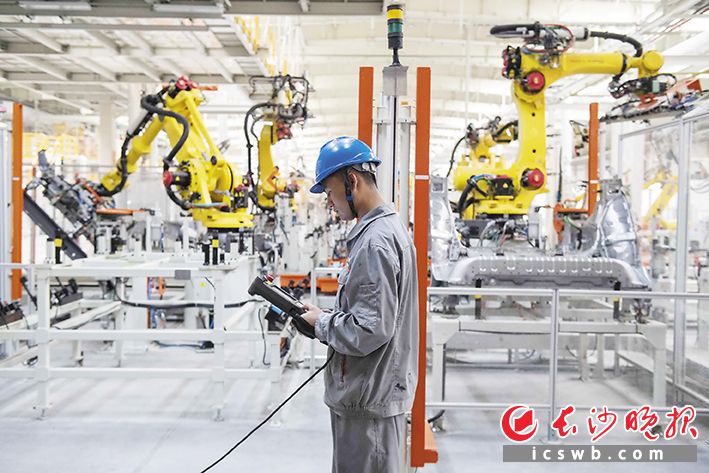
Shanghai registers 9 new generative AI services, total hits 139
TL;DR
Shanghai’s cyberspace regulator announced on December 24, 2025, that nine additional generative AI services have completed registration, bringing the city’s total to 139 approved services. The update was reported by financial outlet Jiemian based on a notice from “NetXin Shanghai,” the official local cyberspace authority account.
About this summary
This article aggregates reporting from 1 news source. The TL;DR is AI-generated from original reporting. Race to AGI's analysis provides editorial context on implications for AGI development.
Race to AGI Analysis
Shanghai’s incremental update on its registry of generative AI services looks bureaucratic on the surface, but it’s a useful barometer of how China’s AI governance model is evolving. With 139 services cleared in one city alone, the message is that Beijing’s licensing regime is not meant to be a moratorium—it’s a gatekeeping mechanism designed to channel a growing ecosystem into state-supervised rails. For model and application builders, getting on this list is effectively a license to operate at scale in one of China’s most important tech hubs. ([jiemian.com](https://www.jiemian.com/article/13803428.html))
In the race to AGI, this kind of registry doesn’t directly push the frontier of capabilities, but it does shape the deployment environment that frontier models will live in. Firms that align early with local compliance norms—content controls, security reviews, data provenance—will be better positioned to experiment with more powerful systems without regulatory whiplash. Conversely, services that can’t or won’t comply are likely to be pushed to the fringes or shut out of major distribution channels.
For global competitors, the takeaway is that Chinese cities are operationalizing AI governance at a granular level while still allowing a large number of products to ship. That may over time give Chinese platforms an edge in learning how to manage large fleets of aligned, regulated agents in complex consumer and enterprise settings.
Who Should Care
Related News
French administrative courts adopt rules on AI use in decisions
Today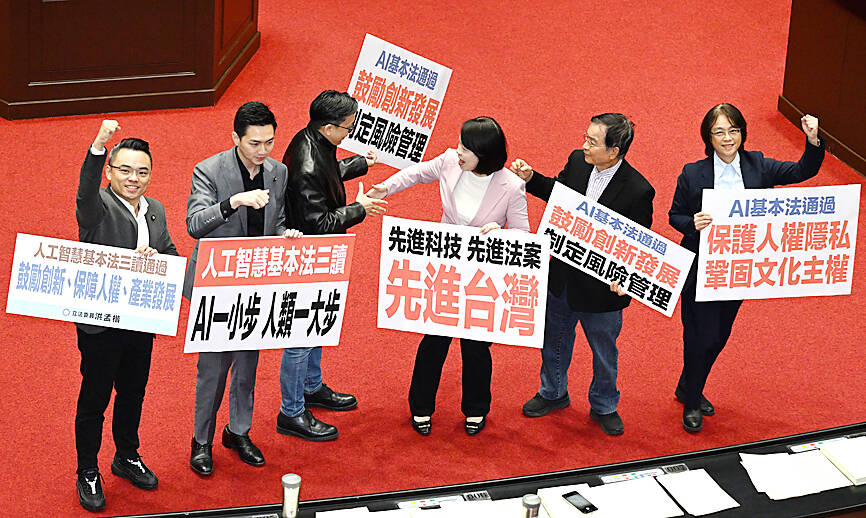
Taiwan AI Basic Act sets national strategy and safety rules
Today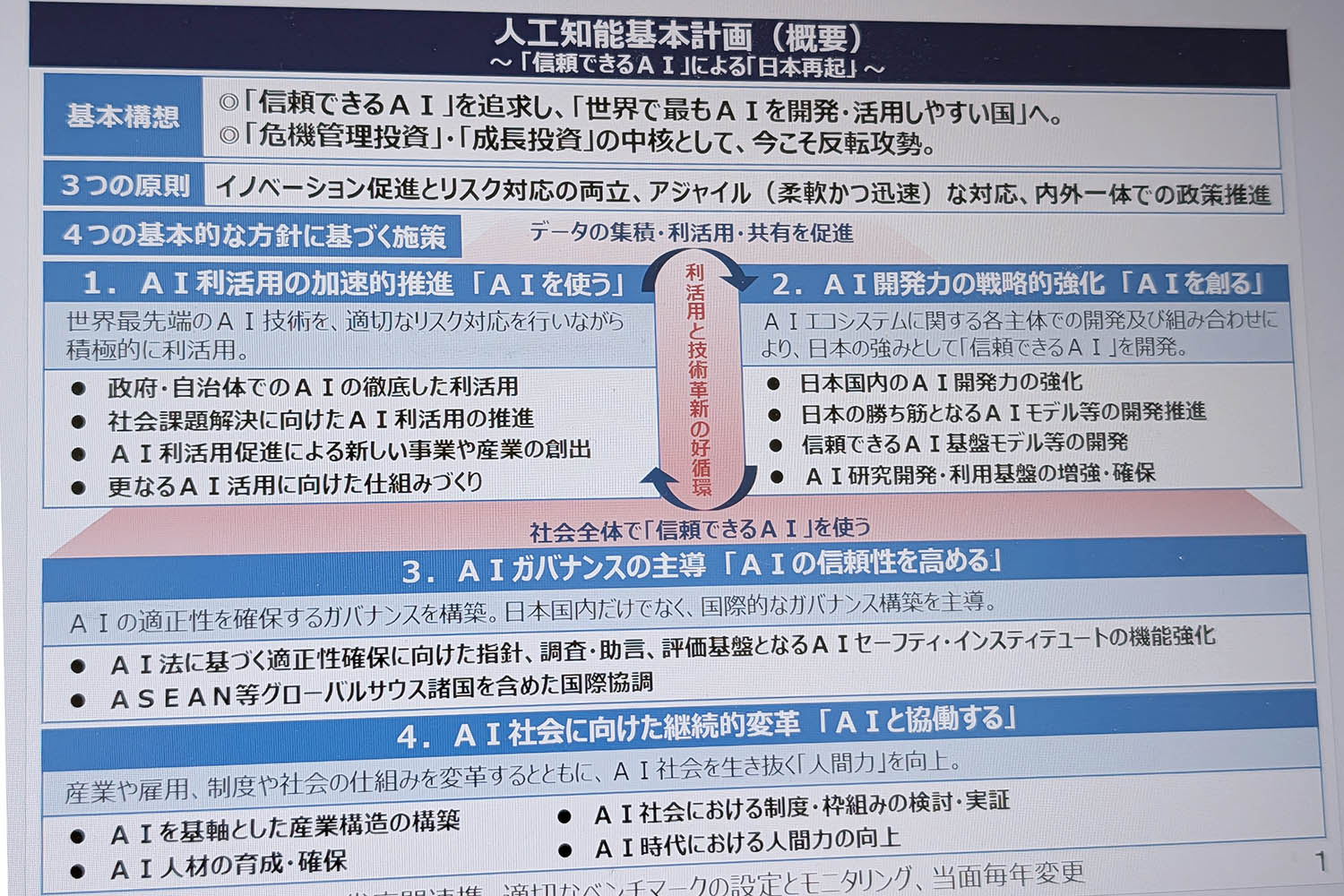
Japan AI Basic Plan aims to be easiest place to build AI
Today