This trend is no longer active
This trend was archived on Oct 3, 2026 as it is no longer seeing new developments.
US Advocates Light-Touch AI Governance at G20
Main Take
The US is advocating for flexible AI regulations at the G20, emphasizing innovation over strict oversight. This reflects a broader tension between industry leaders pushing for self-regulation and political figures like Trump who dismiss safety concerns. The dynamic reveals a growing divide in the US, where tech companies seek to maintain a competitive edge while navigating calls for more robust guardrails.
The Story So Far
The G20 summit has become a battleground for AI governance, with the US advocating for light-touch regulations. This push aligns with the so-called 'Carolina Principles,' which aim to promote innovation while addressing safety concerns. The backdrop includes a growing chorus of tech leaders, including OpenAI and Google, who are proposing a self-regulatory body akin to the US financial regulator FINRA. They argue that industry-led oversight can be more effective than government mandates.
Recent developments highlight the complexities of this narrative. On September 18, 2026, Al Jazeera raised questions about who should set global AI speed limits, reflecting the geopolitical stakes involved. Meanwhile, the New York City Council is holding a rare hearing on AI risks, inviting CEOs from leading firms to discuss safeguards. This indicates a local push for accountability amidst broader national debates.
Political tensions are palpable. President Trump has publicly dismissed calls for a slowdown in AI development, labeling them as hoaxes. In contrast, Senator Elizabeth Warren is calling for an immediate pause on advanced AI, showcasing a split among Democrats. This division complicates the regulatory landscape, as Congress grapples with how to balance innovation with safety.
The stakes are high. The outcome of these discussions will shape the future of AI governance, impacting everything from investment strategies to technological advancements. Countries outside the US-China axis, particularly in the Middle East, could leverage their resources to influence AI infrastructure, further complicating the global race.
Looking ahead, expect more debates on the balance between innovation and regulation. The G20's decisions will likely set the tone for international AI governance, influencing how countries approach their own regulatory frameworks.
Who Should Care
Expect volatility as regulatory landscapes shift.
Prepare for evolving compliance standards in AI development.

Related Articles (20)
Al Jazeera questions who should set global AI speed limits
On September 18, 2026, Al Jazeera English published an opinion piece arguing that calls by Anthropic, OpenAI, xAI, Google DeepMind and Microsoft to slow frontier AI raise deep antitrust, geopolitical and legitimacy questions. The article contrasts these coordination proposals with opposition from Nvidia’s Jensen Huang and notes that countries outside the US-China axis, especially in the Middle East, could gain leverage by supplying energy and land for AI data centers.
New York City Council plans rare AI risk hearing with labs
On September 16, 2026, New York City Council Speaker Julie Menin announced a rare Committee of the Whole hearing on October 5 to examine risks from advanced AI systems. The Council has asked Anthropic CEO Dario Amodei and OpenAI CEO Sam Altman to appear and explain their safeguards.
UN chief urges global AI safety pact before risks escalate
On September 16, 2026, UN Secretary General António Guterres warned that the world cannot afford a race to the bottom on AI safety and urged major powers and companies to cooperate on global rules. He spoke ahead of the UN General Assembly’s high level week in New York.
Warren backs AI pause plan as Democrats split on safety
On September 16, 2026, US Senator Elizabeth Warren said she will call for an immediate pause on advanced AI development, her office told Axios. She plans to deliver the message at a Washington roundtable hosted by Senator Bernie Sanders later today.
AI giants push self-regulation while Trump dismisses safety fears as hoaxes
On September 16, 2026, Deutsche Welle reported that OpenAI, Anthropic and Google are working on a proposed AI industry standards body modeled on US financial self-regulators. At the same time, President Trump dismissed AI risk warnings as “hoaxes,” highlighting a growing gap between industry calls for guardrails and political resistance in Washington.
OpenAI, Anthropic and Google plan FINRA style AI risk body
OpenAI said it is working with Anthropic and Google to design an industry body that would oversee AI risks, modeled on the U.S. financial regulator FINRA. The plan, based on a proposal from a Google official, was reported in Kuwait on September 16, 2026 local time. Details on mandate, membership, and legal authority have not yet been finalized.
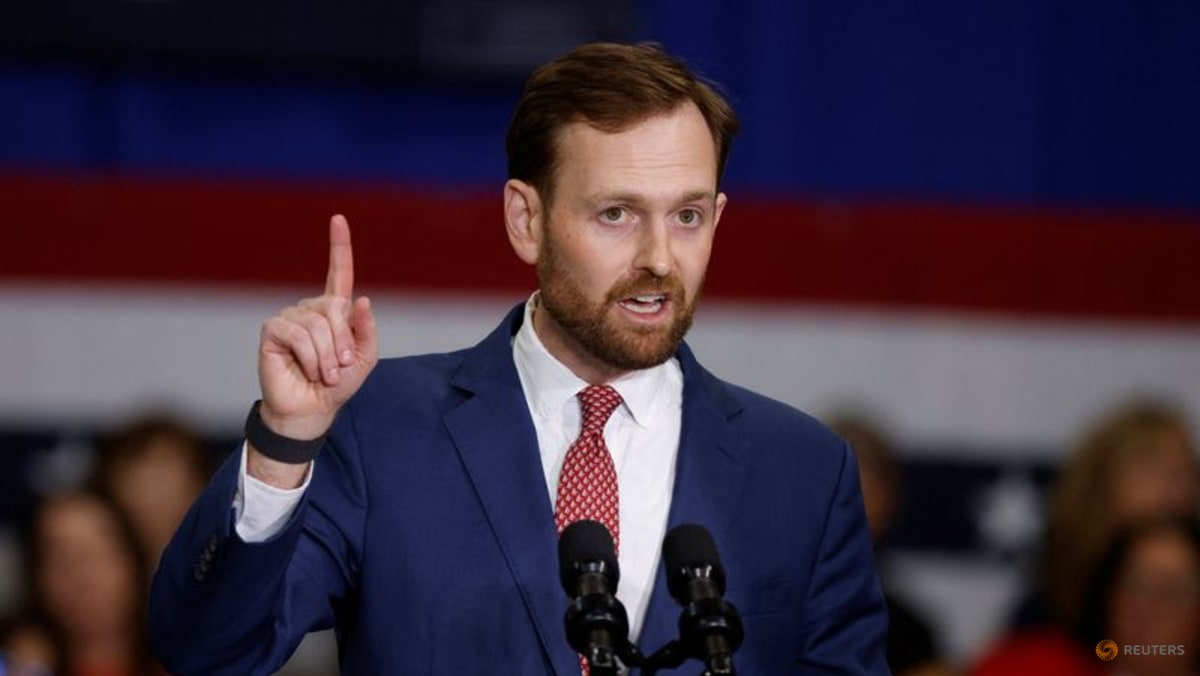
US FTC chief warns against antitrust carve‑outs for AI safety coordination
U.S. Federal Trade Commission chair Andrew Ferguson said in a Sept. 15, 2026 appearance at Georgetown University that policymakers should be “deeply suspicious” of AI firms seeking antitrust exemptions while also lobbying for regulation. His comments followed Anthropic’s recent call for antitrust permission to coordinate a slowdown in AI development with rivals.

Trump faces bipartisan AI revolt as Congress pushes guardrails
On September 15, 2026, The Guardian reported that members of the US Congress from both parties are pushing for new guardrails on powerful AI systems after recent safety warnings from industry insiders. President Donald Trump has publicly dismissed calls to slow AI development and tighter oversight, calling them a hoax and insisting existing tools are enough.
Trump and AI CEOs clash over calls to slow advanced AI
On September 15, 2026, AP reported that Anthropic CEO Dario Amodei, OpenAI’s Sam Altman and xAI’s Elon Musk are urging stronger U.S. AI oversight and a slower frontier model race. President Donald Trump has dismissed AI risk warnings as a “conspiracy” and a “hoax,” while Congress remains divided on how far to regulate the sector.

UN rights chief warns frontier AI threatens core human rights
On September 14, 2026, UN human rights chief Volker Türk warned that the rapid advance of AI is putting all human rights at risk, including life, food, privacy, health and security. His remarks came as CEOs from Anthropic, OpenAI and other labs publicly urged slowing frontier AI development over safety concerns.
China rebukes Anthropic, pushes AI security ‘barrier’ narrative
On September 14, 2026, China’s Foreign Ministry dismissed calls from Anthropic CEO Dario Amodei to curb Chinese AI progress, accusing Western critics of pursuing a hidden agenda to strangle its technology sector. The same day, China’s state security minister urged building a national “security barrier” around AI as domestic capabilities advance.

Trump rejects AI slowdown, doubles down on China race narrative
In comments reported on September 14, 2026, President Donald Trump dismissed industry calls to slow AI development, saying the United States must keep its current pace to beat China in the AI race. His remarks came after Anthropic’s Dario Amodei and other AI leaders publicly urged reducing the speed of frontier AI work for safety reasons.
Trump rejects AI slowdown, prioritizes US edge over China
On September 13, 2026, President Donald Trump told reporters in Ireland that he does not see a need to rein in AI development despite recent warnings from Anthropic and other labs. He said the United States must maintain its lead over China in artificial intelligence and dismissed some industry safety concerns as unrealistic.

Xi calls for global AI governance at BRICS summit
On September 13, 2026, Chinese president Xi Jinping told fellow BRICS leaders in New Delhi that countries should accelerate work on a globally agreed artificial intelligence governance framework. He also proposed a BRICS AI open‑source zone, shared large language model development and AI training programs as part of five cooperation initiatives.

G20’s Carolina Principles push lighter, flexible AI regulation
Argentine financial daily Ámbito reported on September 4, 2026 that G20 ministers agreed the nonbinding “Carolina Principles” on emerging technologies and AI, favoring flexible, sector-based oversight over new horizontal AI laws. The framework urges members to promote AI research, investment and regulatory sandboxes while using existing rules wherever possible.
Nvidia CEO urges G20 to avoid AI rules on ‘theoretical’ harms
Speaking at the G20 Innovation Ministerial in Chapel Hill on September 2, 2026, Nvidia CEO Jensen Huang urged member countries not to write AI regulations based on "theoretical harms" and instead focus on real-world issues. He also called on governments to accelerate AI adoption and build out data center infrastructure to support national economies.([investing.com](https://www.investing.com/news/stock-market-news/nvidia-ceo-urges-g20-to-avoid-ai-rules-on-theoretical-harms-4886204))

US pushes light-touch AI rules at G20 as tech chiefs demand more data centers
On September 2, 2026, reports from IT Home and ABC Color described a G20 technology ministers meeting in North Carolina where US officials urged members to avoid creating entirely new AI regulatory regimes. At the same event, tech leaders including Mark Zuckerberg and Elon Musk called for building more AI data centers and warned against EU‑style rules that they say would slow AI deployment.
US pushes G20 ‘Carolina Principles’ to curb new AI regulation
At a G20 innovation meeting in Chapel Hill on September 1, 2026, the United States urged member countries to adopt nonbinding "Carolina Principles" that discourage creating new AI-specific regulators or broad AI laws. Reporting indicates that China signed the principles, while tech leaders including Demis Hassabis, Mark Zuckerberg and Elon Musk addressed the meeting on AI safety, open-weight models and data centre politics.
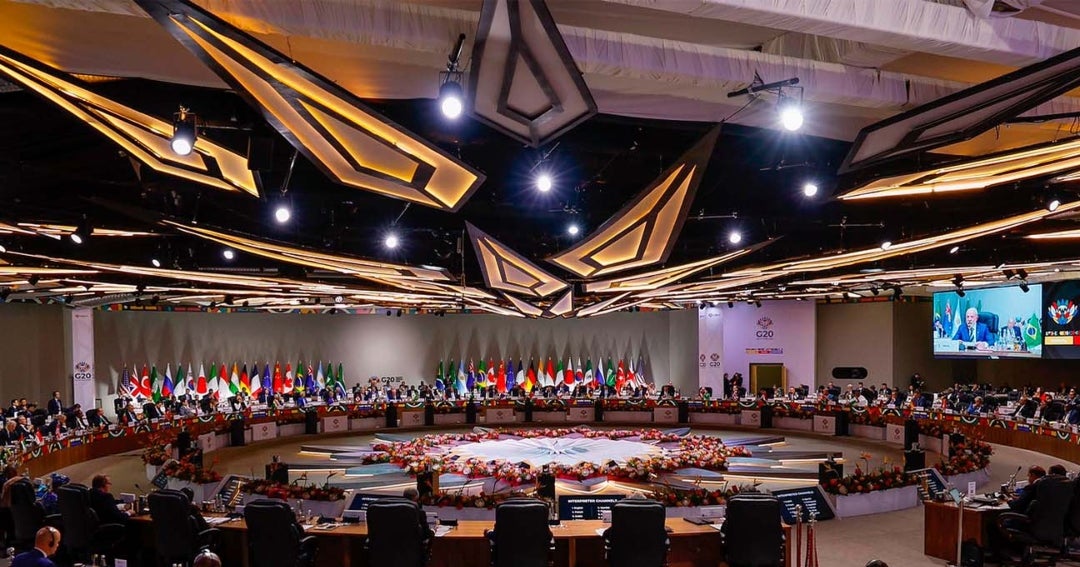
G20 tech leaders debate light touch AI governance and power needs
On September 1, 2026, La República reported on a G20 technology meeting where U.S. officials and tech leaders including Elon Musk and David Sacks advocated light touch AI regulation and massive investment in data center power. Musk projected AI and humanoid robots could lift global GDP by 20–30 percent and warned of power shortages by 2027.
Trump and AI investors launch pro data center push in US
On August 31, 2026, President Donald Trump warned that US communities opposing AI data centers risk becoming “backwards and poor,” urging them to “let data reign.” The comments came as pro-AI advocacy group Build American AI and allied investors prepared a US$50 million campaign to defend data center projects in key states.
Discussion
Key Players
Neutral Impact
This trend has minimal direct impact on AGI timeline
The US is advocating for flexible AI regulations at the G20, emphasizing innovation over strict oversight. This reflects a broader tension between industry leaders pushing for self-regulation and political figures like Trump who dismiss safety concerns. The dynamic reveals a growing divide in the US, where tech companies seek to maintain a competitive edge while navigating calls for more robust guardrails.
Timeline
4 eventsG20 Ministers Agree on Carolina Principles for AI Regulation
The agreement on the 'Carolina Principles' represents a collective decision by G20 ministers to adopt a flexible regulatory framework for AI.
US officials advocate against new AI regulatory regimes at G20
The event involves significant discussions on avoiding new regulations, impacting future governance.
US proposes 'Carolina Principles' at G20 to limit AI regulation
The proposal of nonbinding principles to curb new AI regulations reflects a strategic shift in regulatory approach.
Pro-AI campaign launched with $50M funding
A $50 million campaign was initiated to support AI data centers, indicating significant backing for AI infrastructure.