This trend is no longer active
This trend was archived on Dec 22, 2025 as it is no longer seeing new developments.
AI Valuations Spark Financial Instability Concerns
Main Take
Goldman Sachs highlights diverging risks in AI-related debt, signaling caution among investors. Meanwhile, the Bank of England points to inflated valuations, reminiscent of past market bubbles. This reveals a growing concern about an AI-driven financial frenzy that could lead to widespread instability if valuations correct sharply.
Who Should Care
Expect increased scrutiny on AI investments as valuations face potential corrections.

Related Articles (10)
Opinion: How humans can control risks arising from AI
An opinion piece syndicated from China Daily and published by Pakistan’s Dawn argues that AI is a qualitatively different technology from past inventions because it rivals humans’ core knowledge‑producing abilities, creating deep risks to social stability, identity and economic structures. The article calls for stronger global governance frameworks, public awareness and ethical norms to ensure AI systems remain under meaningful human control and are steered toward broadly beneficial outcomes rather than concentrated power or military escalation. ([dawn.com](https://www.dawn.com/news/1959887/how-humans-can-control-risks-arising-from-ai))
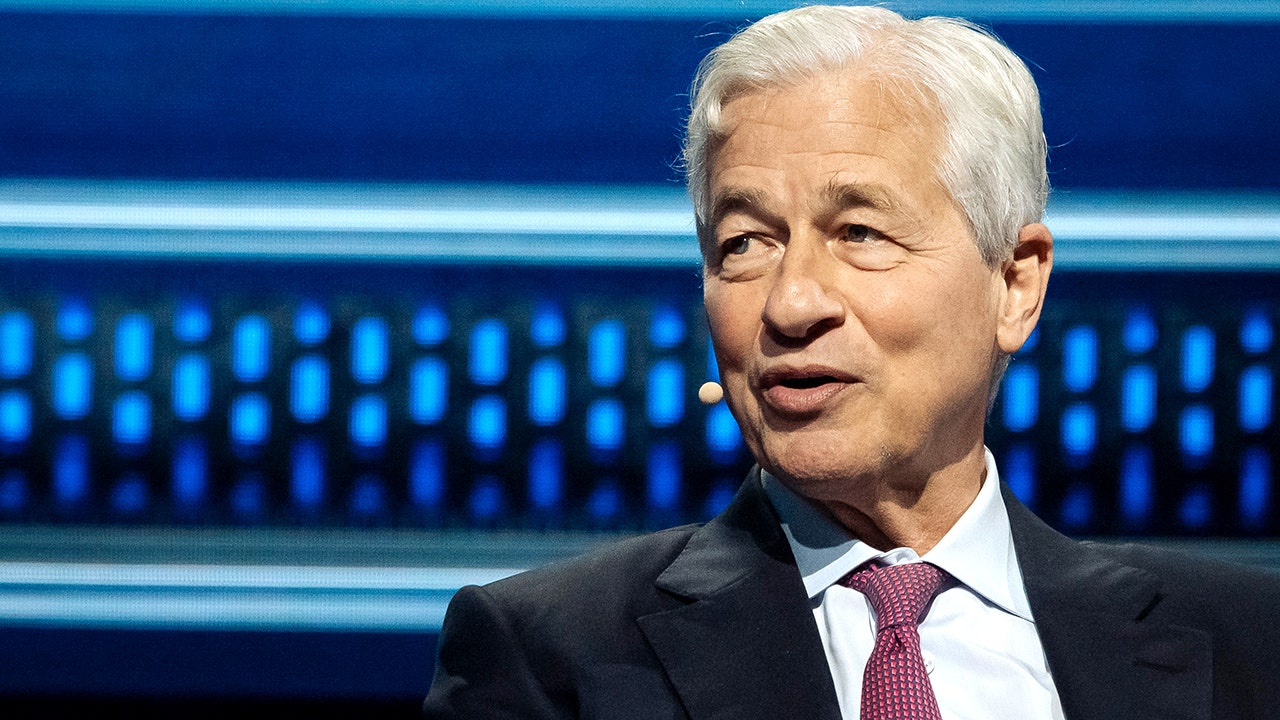
Jamie Dimon says AI won’t ‘dramatically reduce’ jobs in the next year if it’s properly regulated
JPMorgan Chase CEO Jamie Dimon told Fox Business that artificial intelligence is unlikely to cause dramatic job losses over the next year, arguing that AI will initially create more work and productivity gains if governments put proper guardrails in place. Dimon advised workers to focus on critical thinking and interpersonal skills and said it’s up to governments and large corporations to phase in AI in ways that avoid widespread disruption, underscoring how major financial institutions now frame AI as both an economic opportunity and a regulatory responsibility.
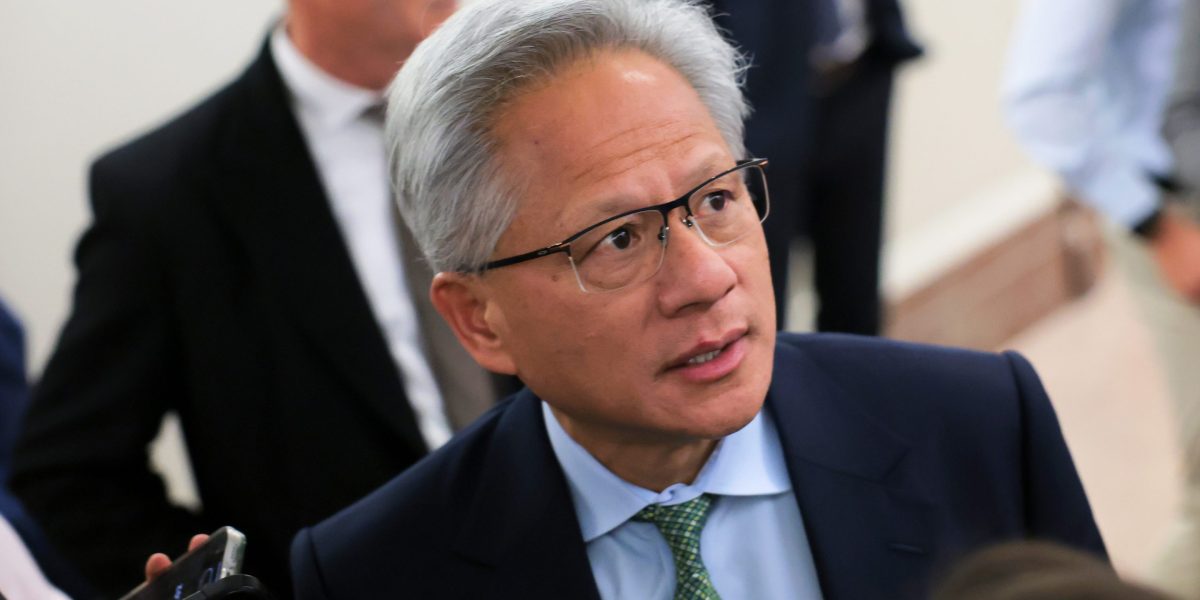
Nvidia CEO Jensen Huang says AI job disruption will be gradual and may spawn ‘robot clothing’ industry
In an interview with Joe Rogan, Nvidia CEO Jensen Huang said he does not expect a sudden wave of AI‑driven layoffs, arguing that jobs built entirely around routine tasks are most at risk while complex roles such as radiology remain more resilient. He predicted AI will also create new lines of work—including technicians who build and maintain AI assistants and even a future “robot apparel” industry—as humanoid robots become more widespread.
Goldman Sachs flags diverging risks in AI‑linked debt between investment‑grade and high‑yield markets
New Goldman Sachs research highlighted by Reuters finds that a surge in AI‑related bond issuance to finance data centers and infrastructure is underperforming broader credit markets, with risks showing up differently in investment‑grade versus high‑yield segments. Investors are becoming more selective, with worries seen as issuer‑specific for top‑rated big tech borrowers but more sector‑wide in high yield, while the Bank of England has separately warned that heavy AI infrastructure borrowing could pose financial‑stability risks if valuations correct. ([reuters.com](https://www.reuters.com/business/ai-credit-concerns-playing-out-differently-investment-grade-high-yield-goldman-2025-12-05/))

Is artificial intelligence pushing entire national economies to the edge?
Al Jazeera’s Chinese-language service examines how rapid AI adoption could entrench or widen the economic gap between rich and poor countries, warning that productivity gains may accrue mainly to advanced economies unless inclusive policies are adopted. The analysis highlights risks around data access, compute concentration and labor displacement, arguing that without global governance and investment in human capital, AI could exacerbate long‑standing structural inequalities. ([chinese.aljazeera.net](https://chinese.aljazeera.net/economy/2025/12/5/%E4%BA%BA%E5%B7%A5%E6%99%BA%E8%83%BD%E6%98%AF%E5%90%A6%E6%AD%A3%E5%9C%A8%E5%B0%86%E6%95%B4%E4%B8%AA%E5%9B%BD%E5%AE%B6%E7%9A%84%E7%BB%8F%E6%B5%8E%E6%8E%A8%E5%90%91%E8%BE%B9%E7%BC%98))
Wall Street races to shed risk from AI’s massive borrowing binge
Bloomberg reports that global banks are simultaneously extending huge credit lines to leading AI and cloud companies while aggressively seeking to offload that exposure through tools like credit derivatives and significant risk transfer deals. Rising hedging costs for borrowers such as Oracle and heightened scrutiny of AI‑linked leverage show how financiers are trying to capture upside from the AI boom without being overexposed to a potential valuation correction. ([bloomberg.com](https://www.bloomberg.com/news/articles/2025-12-05/wall-street-races-to-cut-its-risk-from-ai-s-borrowing-binge))

Indian op‑ed warns of AI and humanoid robotics as potential existential threat to humans
An opinion column in Indian daily The Hans India argues that rapid advances in AI and humanoid robotics could trigger mass job displacement and, in the long run, pose an existential threat if highly autonomous machines begin independently evaluating which human roles are 'necessary'. The author notes that companies such as Tesla and Samsung are already demonstrating humanoid robots for household and industrial tasks, and contends that societies must consciously reinforce emotional and ethical values rather than competing to be 'better machines'.
AI boom dominates Reuters NEXT as executives eye productivity gains but warn of job and energy risks
At the Reuters NEXT conference in New York, business and government leaders described AI as the biggest technological upheaval since the internet, crediting it with trillions in investment and a major boost to GDP growth while also warning about job displacement and energy‑hungry data centers. Speakers from companies including Writer, Moderna and Cisco said customers are already using AI to slow headcount growth and rethink workforce planning, even as economists and policymakers urged a focus on AI as a complement to labor rather than a replacement. ([reuters.com](https://www.reuters.com/business/media-telecom/ais-rise-stirs-excitement-sparks-job-worries-2025-12-04/))

Anthropic CEO warns some AI rivals are ‘YOLO‑ing’ massive bets amid bubble concerns
At The New York Times DealBook Summit, Anthropic CEO Dario Amodei said he is bullish on AI’s long‑term potential but cautioned that some companies are taking "unwise" risks by front‑loading huge infrastructure investments before economic payoffs are clear. He contrasted Anthropic’s more conservative planning with competitors he suggested may overextend on data centers and GPUs, implicitly referencing OpenAI, and said misjudging chip depreciation timelines and demand could bankrupt aggressive players if AI revenues slow. ([techcrunch.com](https://techcrunch.com/2025/12/04/anthropic-ceo-weighs-in-on-ai-bubble-talk-and-risk-taking-among-competitors/))
Bank of England warns AI‑driven stock boom is stretching valuations and raising systemic risks
In its half‑yearly Financial Stability Report, the Bank of England said risks to the UK financial system have risen this year, citing stretched equity valuations for companies linked to artificial intelligence, rapid growth in private credit, and large leveraged bets in the gilt repo market. The central bank estimates enthusiasm for AI has pushed US stock valuations to their most extended levels since the dot‑com bubble and UK levels to their highest since the global financial crisis, warning that a sharp correction could transmit losses through credit markets even though core UK banks remain well capitalised.