Pope Leo XIV's AI Ethics Crusade
Main Take
Pope Leo XIV's encyclical, 'Magnifica Humanitas', emphasizes the urgent need for AI regulation, particularly concerning autonomous weapons. The Vatican's collaboration with Anthropic highlights a unique alliance between religious authority and AI innovation, aiming to shape ethical standards in technology. This narrative reveals a growing recognition of AI's societal risks and the necessity for collective governance frameworks.
The Story So Far
Pope Leo XIV's encyclical, 'Magnifica Humanitas', has emerged as a pivotal document in the ongoing debate about artificial intelligence. Released on May 25, 2026, this 42,000-word manifesto addresses profound ethical concerns surrounding AI, urging for stringent regulations and the disarmament of AI technologies that could lead to domination and exploitation. The encyclical resonates with a growing global sentiment that AI poses significant risks to jobs, privacy, and human dignity, echoing fears expressed by many Americans in the wake of its publication.
The encyclical's release coincided with a notable collaboration between the Vatican and Anthropic, a leading AI research lab. Co-founder Christopher Olah joined Pope Leo at the Vatican, marking a rare partnership between a religious institution and a tech company. This partnership underscores the urgency of the encyclical's message: AI must serve humanity, not concentrate power in the hands of a few. The document calls for external oversight, legal safeguards, and limits on lethal autonomous systems, emphasizing that AI should prioritize the common good over profit.
The implications of 'Magnifica Humanitas' extend beyond the Vatican. As governments and tech companies grapple with the ethical dimensions of AI, the encyclical serves as a moral compass, pushing for a framework that prioritizes human welfare. This shift towards ethical governance could slow down the rapid pace of AI development, as companies may face increased regulatory hurdles and public scrutiny. The encyclical's call for disarmament and ethical oversight reflects a broader trend towards accountability in technology, suggesting that the future of AI will be shaped not just by innovation, but by moral considerations.
What happens next? Watch for governments and tech companies to respond to the encyclical's demands, potentially leading to new regulations and ethical guidelines in AI development.
Who Should Care
Expect increased scrutiny on AI investments as ethical concerns rise.
AI ethics will become a focal point in research agendas.
Prepare for stricter compliance requirements in AI development.
Related Articles (8)
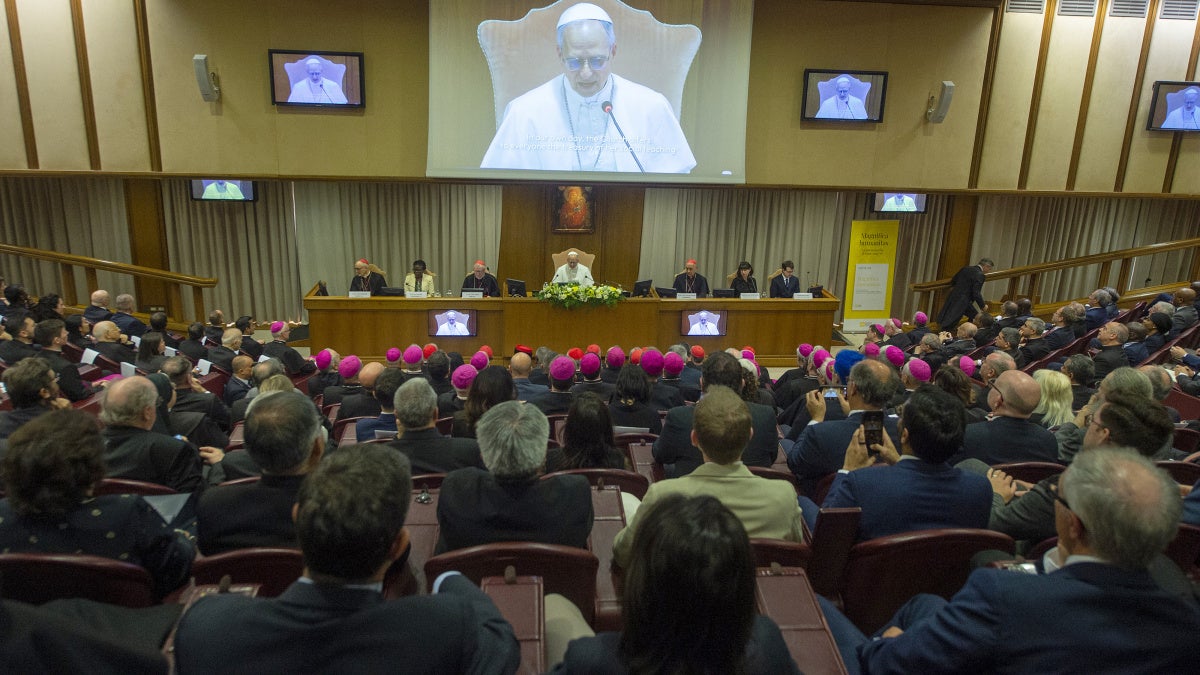
Vatican urges strict AI weapons rules in Magnifica Humanitas encyclical
On May 31, 2026, Human Rights Watch highlighted Pope Leo XIV’s first encyclical “Magnifica Humanitas,” which calls for strict regulation of autonomous weapons and AI in warfare. The Vatican insists lethal force decisions must remain under effective, accountable human control and backs negotiations for a binding treaty on so‑called ‘killer robots’.

Papal AI warning energises Asia’s push for regional ethics platform
On May 31, 2026, Taiwan’s United Daily News published an opinion column arguing that Pope Leo XIV’s AI encyclical and Anthropic’s Vatican engagement should catalyze an Asian AI ethics platform. The piece highlights Singapore’s proposal for an Asian Institute of AI and Ethics and calls for Taiwan and broader Chinese cultural resources to shape global AI governance. ([udn.com](https://udn.com/news/story/7238/9536080))
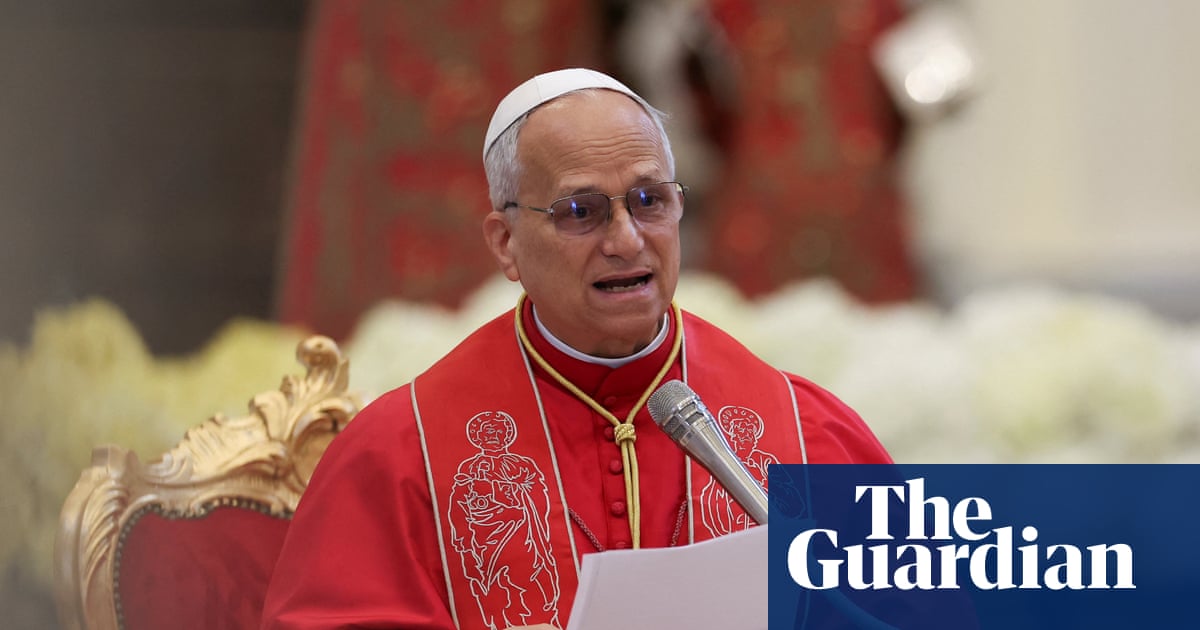
Americans echo Pope’s AI fears after ‘Magnifica Humanitas’ encyclical
On May 30, the Guardian reported reactions from US readers to Pope Leo XIV’s new encyclical on AI, Magnifica Humanitas. Americans interviewed echoed the pope’s warnings about AI’s threats to jobs, privacy and human dignity, and called for stronger ethical and regulatory constraints.

Pope Leo’s AI encyclical may itself contain AI‑generated text
On May 27, 2026, The Verge reported that AI‑detection analyses suggest parts of Pope Leo XIV’s encyclical on artificial intelligence, Magnifica Humanitas, may have been drafted using AI tools. The Vatican released the encyclical on May 25, 2026, as a major moral statement warning about the societal risks of concentrated AI power.
Anthropic and Vatican unite as pope’s AI encyclical demands tougher guardrails
On May 26, 2026, Pope Leo XIV released his first encyclical, Magnifica Humanitas, warning that artificial intelligence must be “disarmed” and tightly regulated. Anthropic co‑founder Christopher Olah joined the pope at the Vatican, signaling a rare alignment between a frontier AI lab and a major religious institution on AI risks.([washingtonpost.com](https://www.washingtonpost.com/technology/2026/05/25/anthropic-aligns-with-vatican-over-white-house-pope-leo-stokes-ai-fears/))
Pope Leo encyclical urges world to ‘disarm’ AI and curb tech power
On May 26, 2026, coverage expanded of Pope Leo XIV’s first encyclical, ‘Magnifica Humanitas,’ which calls for robust regulation of artificial intelligence and warns that AI must be ‘disarmed’ from logics of domination and war. The document, presented in Rome on May 25, urges governments and AI developers to prioritize the common good over profit and concentrate on external oversight, legal safeguards, and limits on lethal autonomous systems.
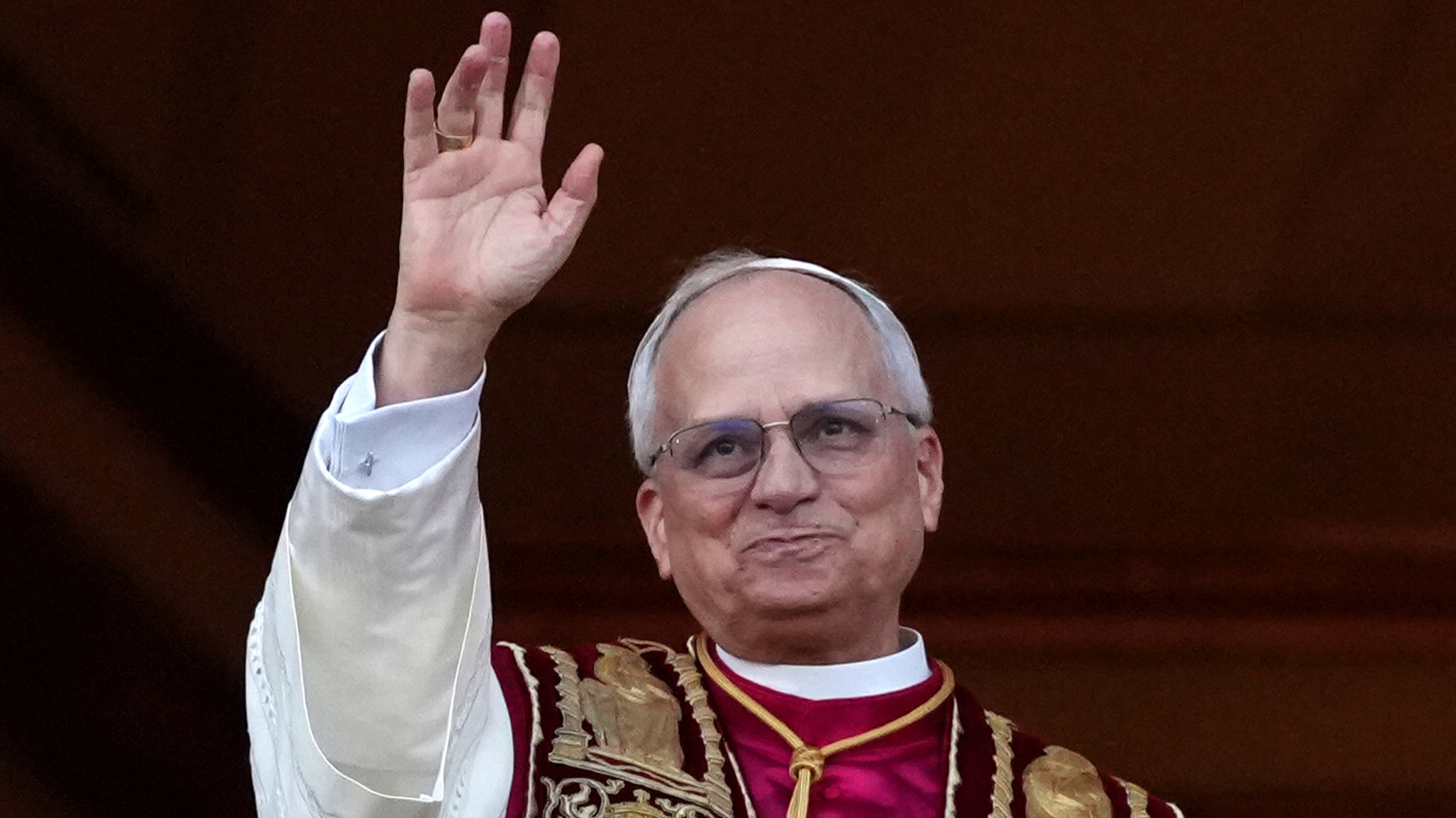
Pope Leo encyclical 'Magnifica Humanitas' demands strict AI rules
On May 25, 2026, Pope Leo XIV released his first encyclical, "Magnifica Humanitas: On Safeguarding the Human Person in the Time of Artificial Intelligence", a ~42,000-word manifesto on AI and human dignity. The document calls for strong regulation of AI, insists humans must remain in control of weapons and key decisions, and warns against AI-driven concentration of power and exploitation of workers and children.([engadget.com](https://www.engadget.com/2180436/pope-leo-calls-for-ai-to-serve-humanity-and-not-concentrate-power/))

Pope Leo XIV warns on AI power in 'Magnifica Humanitas'
On May 25, 2026, Pope Leo XIV released his first encyclical, 'Magnifica Humanitas', at the Vatican, framing artificial intelligence as an epochal moral challenge. The document calls for AI to be 'disarmed' from logics of domination, exclusion and war, and urges strict legal and ethical limits on autonomous weapons and data power.
Discussion
Key Players
Delays AGI Timeline
This trend may slow progress toward AGI
Pope Leo XIV's encyclical, 'Magnifica Humanitas', emphasizes the urgent need for AI regulation, particularly concerning autonomous weapons. The Vatican's collaboration with Anthropic highlights a unique alliance between religious authority and AI innovation, aiming to shape ethical standards in technology. This narrative reveals a growing recognition of AI's societal risks and the necessity for collective governance frameworks.
Timeline
3 eventsVatican urges strict AI weapons rules in 'Magnifica Humanitas'
The Vatican's call for regulation of autonomous weapons marks a significant stance in AI ethics and warfare.
Pope Leo XIV releases encyclical 'Magnifica Humanitas' on AI
The encyclical calls for strict regulation of AI, marking a significant moral and ethical stance on AI governance.
Pope Leo XIV calls for strong regulation of AI in 'Magnifica Humanitas'
The document demands strict legal and ethical limits on AI, influencing future regulatory frameworks.