CUHK summit highlights AI agents reshaping global supply chains and China outbound
TL;DR
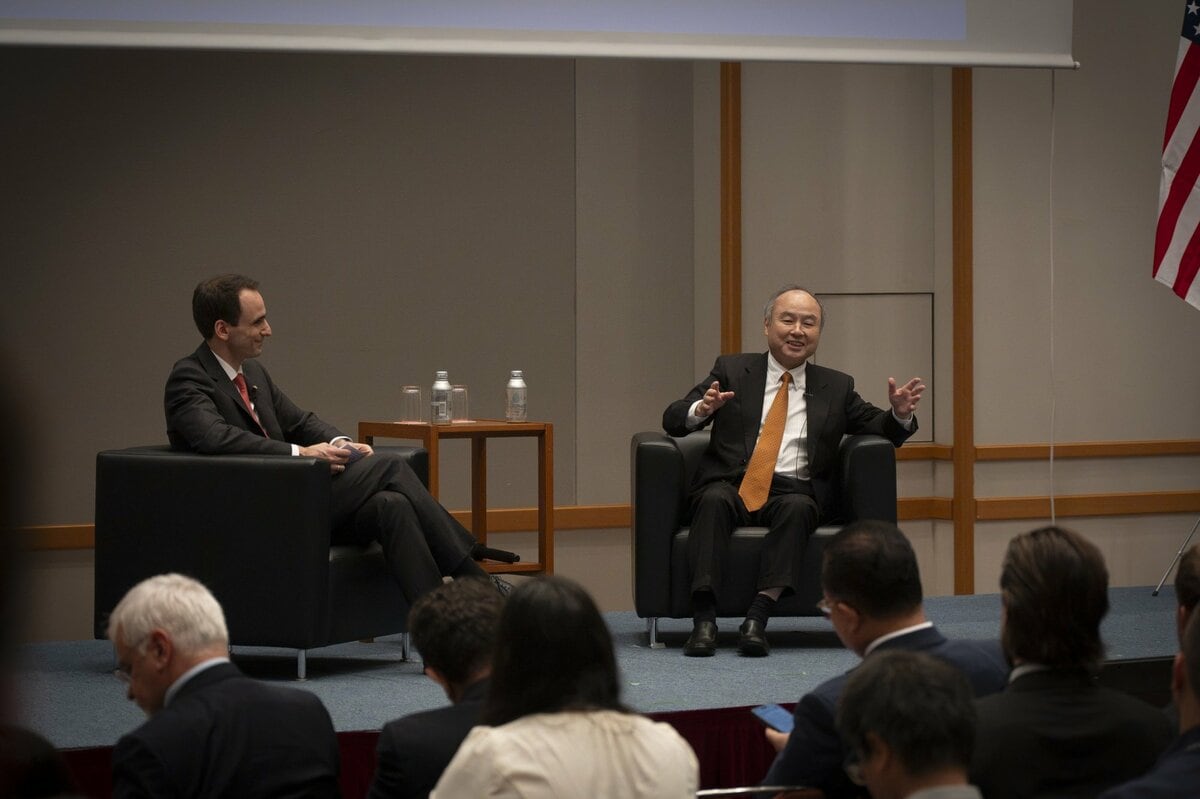
The Chinese University of Hong Kong reported on October 5, 2026 that its Asia Institute of Supply Chains and Logistics hosted the 2026 Global Supply Chain and Logistics Summit under the theme "Crossing Borders, Global Supply Chains and Go Global in the AI Era". Government officials, academics and industry leaders discussed how AI agents, data platforms and smart logistics are changing risk management and helping Chinese brands expand overseas.
About this summary
This article aggregates reporting from 1 news source. The TL;DR is AI-generated from original reporting. Race to AGI's analysis provides editorial context on implications for AGI development.
Read next
Race to AGI Analysis
This summit is a barometer of how mainstream the idea of AI agents running supply chains has become in Greater China. Speakers framed AI not as a bolt on optimisation tool, but as an “operations nerve center” for handling disruptions, orchestrating logistics and coordinating cross border trade. That language suggests large shippers and logistics platforms in the region are moving beyond dashboards toward semi autonomous systems that make day to day routing and inventory decisions.
For the race to AGI, these deployments are a proving ground for multi agent systems that must reason over messy, delayed and often contradictory real world signals. They also tie advanced AI directly to China’s outbound strategy, where companies are expected to export not just products but digital platforms and “smart supply chain” models alongside them.
Strategically, this puts Hong Kong in an interesting position. As a logistics and finance hub under one country two systems, it can host AI enabled trade infrastructure that is plugged into both mainland manufacturing networks and global regulatory regimes. That makes it a natural testbed for governance questions around how much autonomy to grant logistics agents, how to audit their decisions and how to arbitrate disputes when an AI routing choice becomes a multi million dollar problem.
Who Should Care
Related News

OpenAI safety lead resignation targets ‘iterative deployment’ risks
Today
Bank Indonesia Bali trains journalists to use AI in economic reporting
YesterdayChile’s ‘agent boss’ role emerges as new career managing AI agents
Yesterday