Ningbo smart city expo showcases AI chips and citywide deployments
TL;DR
On September 15, 2026, Daily Economic News reported that the 16th Smart City and Intelligent Economy Expo in Ningbo closed after three days with AI as its central theme. The event hosted 389 organizations, showcased 2,287 technologies and products, and announced 216 cooperation intentions worth about 4.75 billion yuan across smart city and AI‑driven projects.
About this summary
This article aggregates reporting from 1 news source. The TL;DR is AI-generated from original reporting. Race to AGI's analysis provides editorial context on implications for AGI development.
Read next
Race to AGI Analysis
The Ningbo smart city expo is a snapshot of how quickly AI is diffusing into urban infrastructure and local industry in China. While no single model or company dominates the story, the mix of Huawei inference servers, Alibaba Cloud stacks, domestic inference GPUs and model platforms from telecoms and enterprise software vendors shows a maturing ecosystem that can deliver end‑to‑end solutions without depending exclusively on US hardware or models.
For the AGI race, this kind of expo matters less as a headline breakthrough and more as confirmation that AI‑first thinking is being baked into municipal planning and industrial investment. When city governments and state‑linked enterprises commit billions of yuan across hundreds of projects, they create stable demand for inference hardware, orchestration platforms and application‑layer innovation. That demand, in turn, justifies continued investment in local chips and model stacks even if frontier capabilities remain concentrated in a few labs.
Competitively, these deployments could give Chinese vendors an edge in large‑scale operations know‑how: running AI‑enhanced transport systems, utilities and public services at city scale is a different challenge than optimizing chatbots. Those operational lessons may feed back into future agent architectures and evaluation frameworks, especially for reliability and safety in complex, real‑world environments.
Who Should Care
Related News
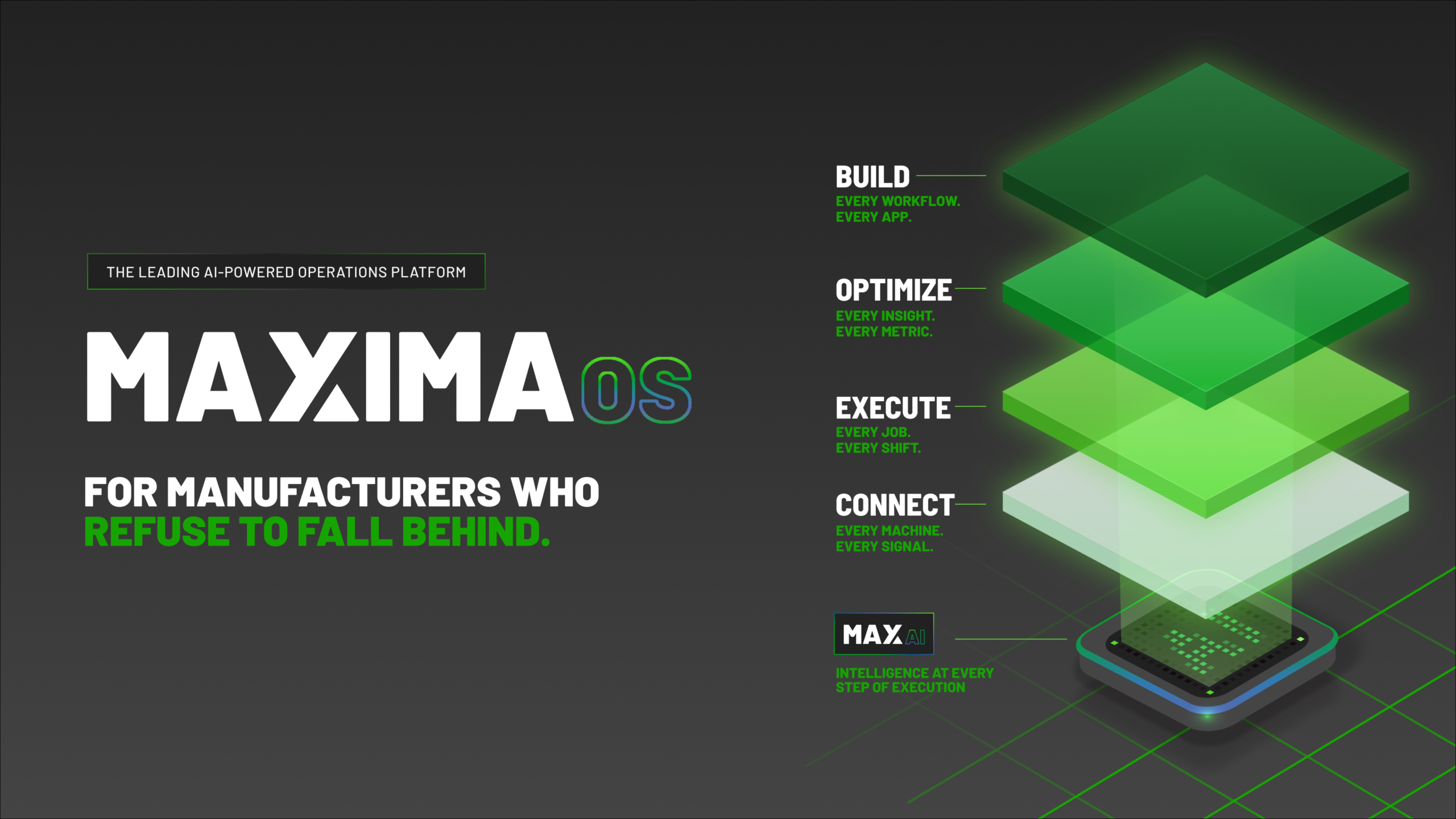
MachineMetrics launches MaximaOS to bring AI into factory execution
Today
Korean startup DeepX wins green tech label for low power AI chips
Yesterday
Perplexity adopts GPT-6 Astra to run end to end systems
Yesterday