China data bureau backs token based AI data markets
TL;DR
On July 29, 2026 at 03:59 Beijing time, Sina reported comments from China’s National Data Bureau encouraging new business models based on AI token usage and token trading. Officials said China has built over 120,000 high‑quality datasets totaling more than 1,565 petabytes and framed data as key “fuel” for artificial intelligence.
About this summary
This article aggregates reporting from 1 news source. The TL;DR is AI-generated from original reporting. Race to AGI's analysis provides editorial context on implications for AGI development.
Read next
Race to AGI Analysis
China’s data regulators are making explicit what many in the industry already understood implicitly: in a world dominated by large models, tokens are not just a technical unit but an economic one. By talking about “token‑based” business models, token trading and paid access to high‑quality datasets, the National Data Bureau is sketching the contours of a domestic market where data and model usage are tightly coupled and monetized under state supervision. That is a different starting point from the largely private, API‑driven data markets in the US and Europe.
From a race‑to‑AGI perspective, this matters because it signals sustained national‑level investment in the inputs that determine frontier capability: curated datasets, standardized data infrastructure and large‑scale compute. If China can make it easier for domestic firms to access regulated, high‑quality data at scale, it narrows one of the key advantages held by US labs. At the same time, a more formal token market could give authorities levers to throttle or prioritize different AI use cases, influencing which sectors get the most model capacity.
The bigger picture is that data policy has moved from a privacy and localization issue to a core instrument of AI industrial strategy. Countries that treat data, tokens and compute as a coherent stack will likely have an edge in shaping how and where near‑AGI systems are trained and deployed.
Who Should Care
Related News
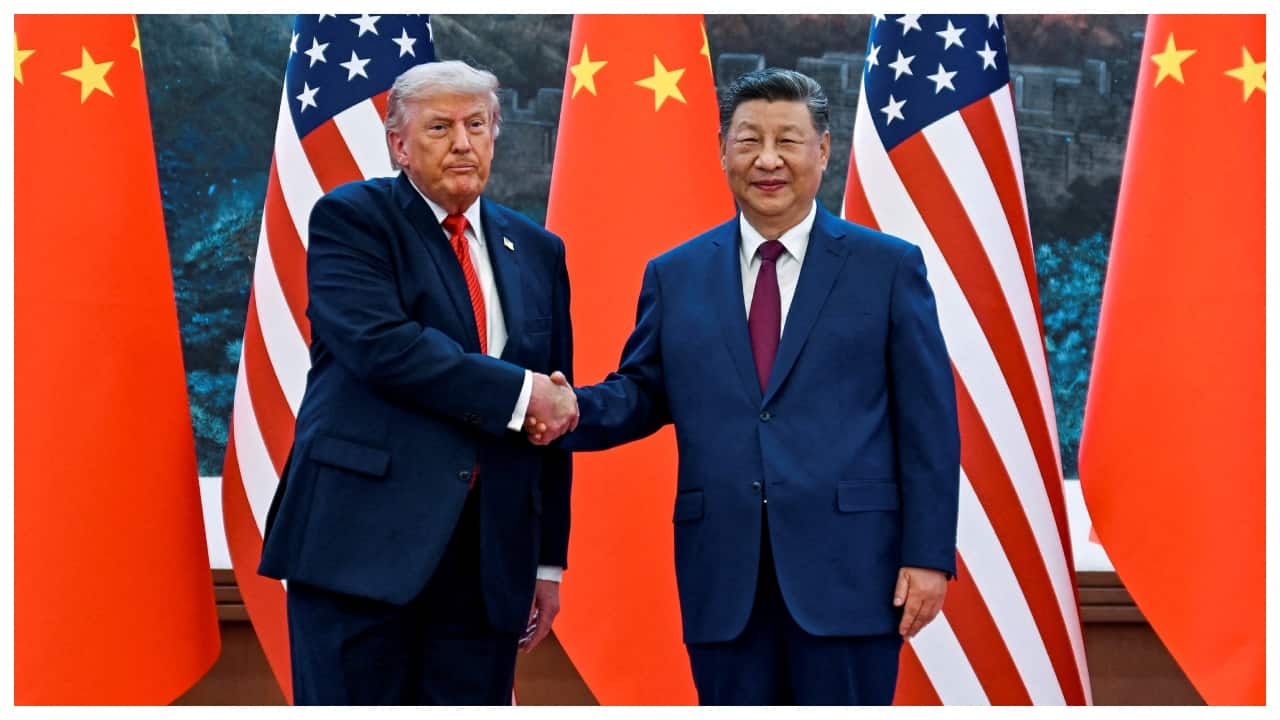
US China pre summit talks put AI risks at center of trade agenda
5 days agoWorld leaders demand AI guardrails to keep systems under human control
5 days agoHHS backs ARPA-H AI models to cut animal testing in drug R&D
5 days ago