Anthropic Mythos 5 wins partial US export reprieve for trusted firms
TL;DR
On June 27, 2026, the US Commerce Department partially lifted export restrictions on Anthropic’s Claude Mythos 5 model, allowing access for more than 100 ‘trusted’ US companies and institutions. Anthropic can again provide Mythos 5 to approved partners after adding security safeguards, while its companion model Fable 5 remains suspended for now.
About this summary
This article aggregates reporting from 5 news sources. The TL;DR is AI-generated from original reporting. Race to AGI's analysis provides editorial context on implications for AGI development.
Read next
Race to AGI Analysis
Mythos 5’s partial return is a bellwether for how frontier models will be governed in a world that’s suddenly awake to AI’s offensive cyber potential. Washington has moved from general principles to concrete access lists: more than 100 named organizations can now use Anthropic’s most capable cybersecurity model, while everyone else remains locked out. That’s effectively a whitelist regime for frontier AI, with the Commerce Department acting as gatekeeper on who gets mythos‑level capabilities and when.([outlookbusiness.com](https://www.outlookbusiness.com/news/us-relaxes-export-restrictions-on-anthropics-ai-amid-security-safeguards))
For the race to AGI, this is not just about one model. The US is testing a playbook where high‑end systems are treated like dual‑use weapons: tightly controlled for foreign nationals and sensitive sectors, but selectively unleashed to fortify critical infrastructure. It formalizes the idea that the most capable models will often be pointed inward—toward defense and hardening—before they ever reach broad commercial use. And because Mythos 5 has already demonstrated it can uncover thousands of serious vulnerabilities, the bar for future models will only rise.([datacamp.com](https://www.datacamp.com/blog/claude-mythos-5?utm_source=openai))
Competitively, Anthropic gains a reputational win: it gets its flagship cyber model back online for blue‑chip customers while proving it can navigate aggressive export controls. But the precedent cuts both ways. Rivals now know that if they ship similarly capable systems, they’ll likely inherit the same licensing headaches, country blacklists and whitelisted customer rosters—baking geopolitical risk directly into their product roadmaps.
Who Should Care
Related News
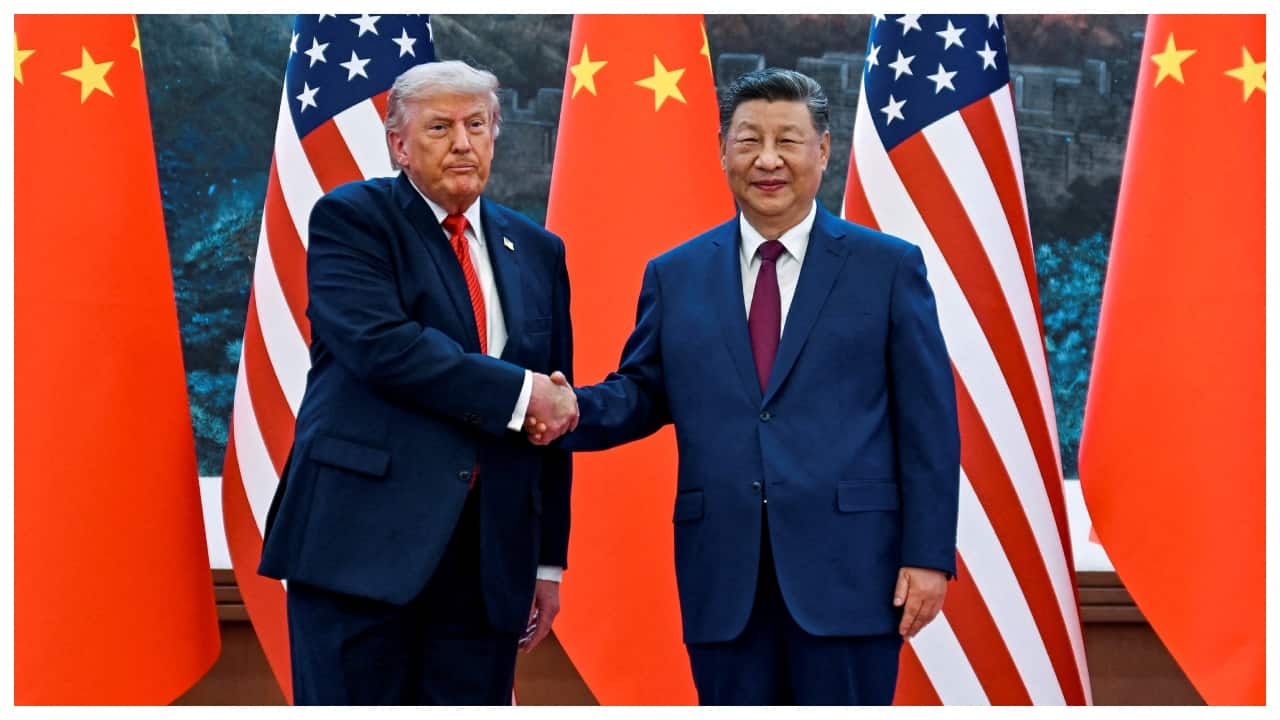
US China pre summit talks put AI risks at center of trade agenda
4 days agoWorld leaders demand AI guardrails to keep systems under human control
4 days agoHHS backs ARPA-H AI models to cut animal testing in drug R&D
4 days ago