AI stock rout hits SpaceX and Nasdaq as rate fears squeeze valuations
TL;DR
On June 23, 2026, Nasdaq 100 futures fell about 2–3% and AI‑linked stocks slid after a 16% plunge in SpaceX and sharp drops in Alphabet, Meta, Microsoft and Amazon. Investors are reassessing heavily leveraged AI spending plans as markets price in further US rate hikes under new Fed chair Kevin Warsh.
About this summary
This article aggregates reporting from 3 news sources. The TL;DR is AI-generated from original reporting. Race to AGI's analysis provides editorial context on implications for AGI development.
Read next
Race to AGI Analysis
The AI correction showing up in Nasdaq futures is less about whether AI matters and more about how fast the cash flows arrive. A 16% drawdown in SpaceX and a broad selloff in Nvidia‑adjacent names tell you investors are starting to question whether multi‑billion‑dollar GPU and data‑center build‑outs can be financed indefinitely with cheap debt and story‑driven equity.([brecorder.com](https://www.brecorder.com/news/40426945)) That doesn’t halt the race to AGI, but it does challenge the idea that every company with a ‘GPU factory’ narrative deserves a tech‑bubble multiple.
Strategically, this reset could be healthy. If public markets demand clearer paths from capex to revenue, hyperscalers and frontier labs will need to prioritise deployments that generate real productivity gains rather than vanity benchmarks. That, in turn, may accelerate the shift from general chatbots to domain‑specific agents in enterprise, industry and government where willingness to pay is highest. On the flip side, a more fragile funding environment could make smaller AI startups more dependent on a handful of deep‑pocketed platforms for compute and distribution, entrenching the very concentration of power regulators worry about.
The big unknown is whether higher rates and investor fatigue will materially slow long‑term AGI efforts, or simply reprice them. As long as there is strategic value in owning frontier models and data centers, the largest players—Big Tech, sovereign funds, some private firms—will likely keep spending, even if the marginal dollar is more expensive.
Who Should Care
Related News
Microsoft activates Hyderabad AI infrastructure hub for Indian enterprises
Yesterday
Meta Muse AI agent tops US app charts with 902,000 downloads
Yesterday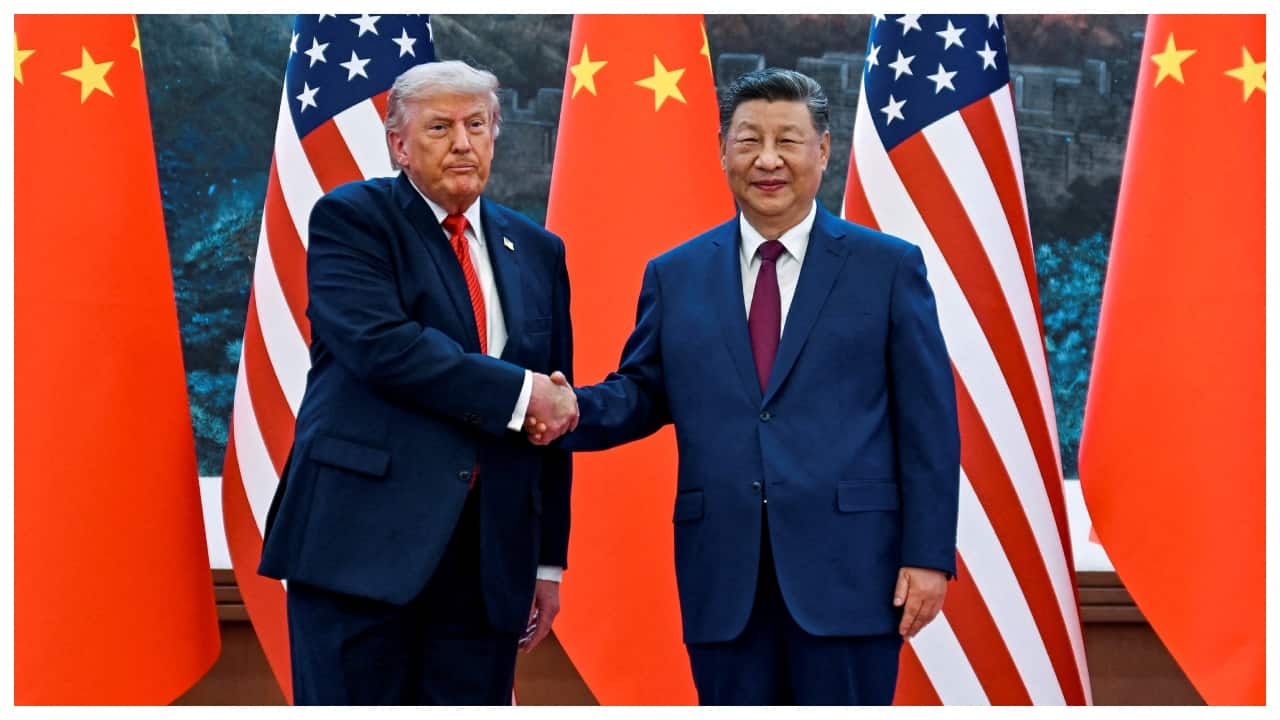
US China pre summit talks put AI risks at center of trade agenda
YesterdayWorld leaders demand AI guardrails to keep systems under human control
YesterdayCompanies Mentioned