AI deepfake images of Maduro capture debunked by global fact-checkers
TL;DR
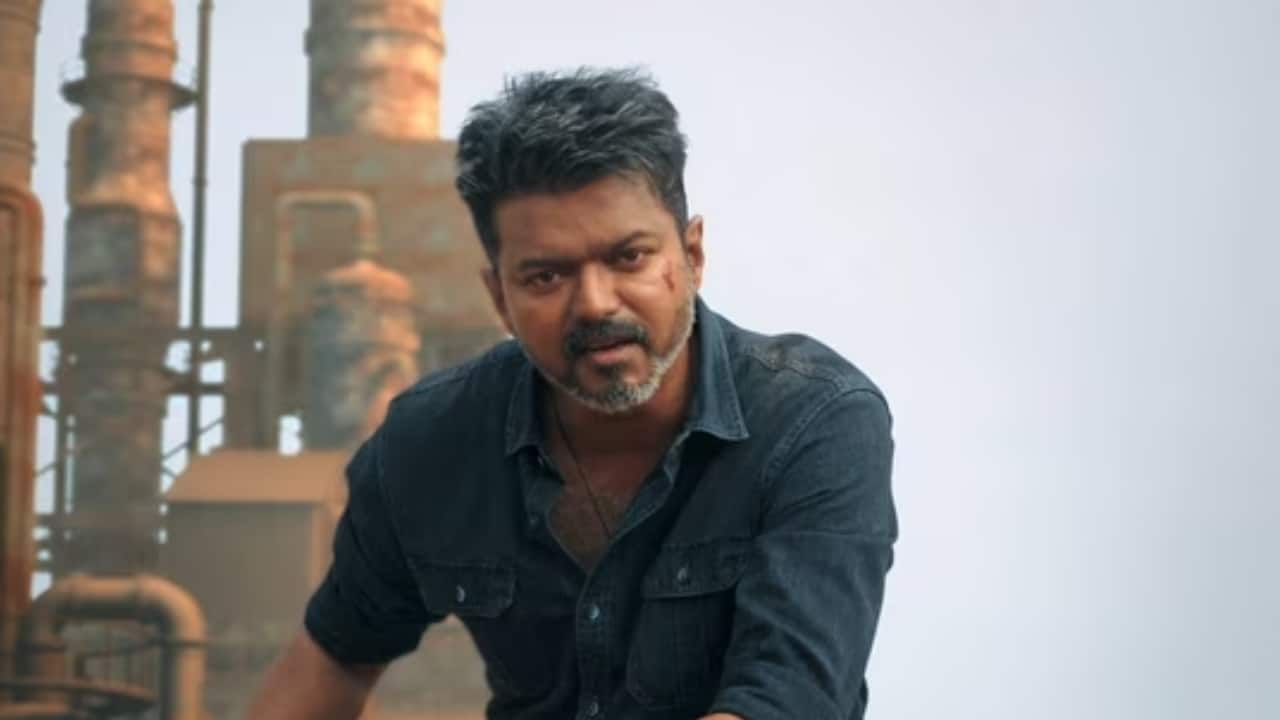
On January 3, 2026, multiple fact-checking outlets confirmed that viral photos claiming to show Venezuelan president Nicolás Maduro under arrest were generated or heavily edited using AI tools. Organizations across Europe and Latin America used detectors like Google’s SynthID, reverse image search and OSINT techniques to label the images false, while noting that only one official photo of Maduro in custody has been released so far.
About this summary
This article aggregates reporting from 4 news sources. The TL;DR is AI-generated from original reporting. Race to AGI's analysis provides editorial context on implications for AGI development.
Race to AGI Analysis
This wave of coordinated fact-checks around the Maduro ‘capture’ images is an early stress test of how societies will cope with AI-generated media during high-stakes geopolitical crises. What’s notable isn’t just that the images were fake, but that multiple newsrooms quickly deployed AI watermark tools like Google’s SynthID, traditional OSINT, and cross-outlet collaboration to debunk them in near real time. That workflow—AI systems detecting other AI systems—is likely to become a permanent part of the information stack.
For the race to AGI, this episode underlines that capability is outpacing institutional adaptation, but not uniformly. Public broadcasters and verification desks that have invested in AI literacy were able to respond fast; many general audiences and politicians were still caught off guard. As models get better at photorealism and as agents automate content distribution, the cost of a convincing geopolitical deepfake will keep falling. That raises the bar for detection infrastructure: watermarking, provenance standards and AI-assisted verification need to be treated as critical digital public goods, not optional newsroom extras.
Competitively, big AI labs gain quiet influence here. If Google’s SynthID or similar tools become de facto standards for authenticity checks, control over watermarking protocols becomes a form of soft power. That could shape how open future foundation models are allowed to be, and how tightly constrained open-source image generators become in regions sensitive to information warfare.