Altman says ‘infinite memory’ will trump smarter AI reasoning
TL;DR
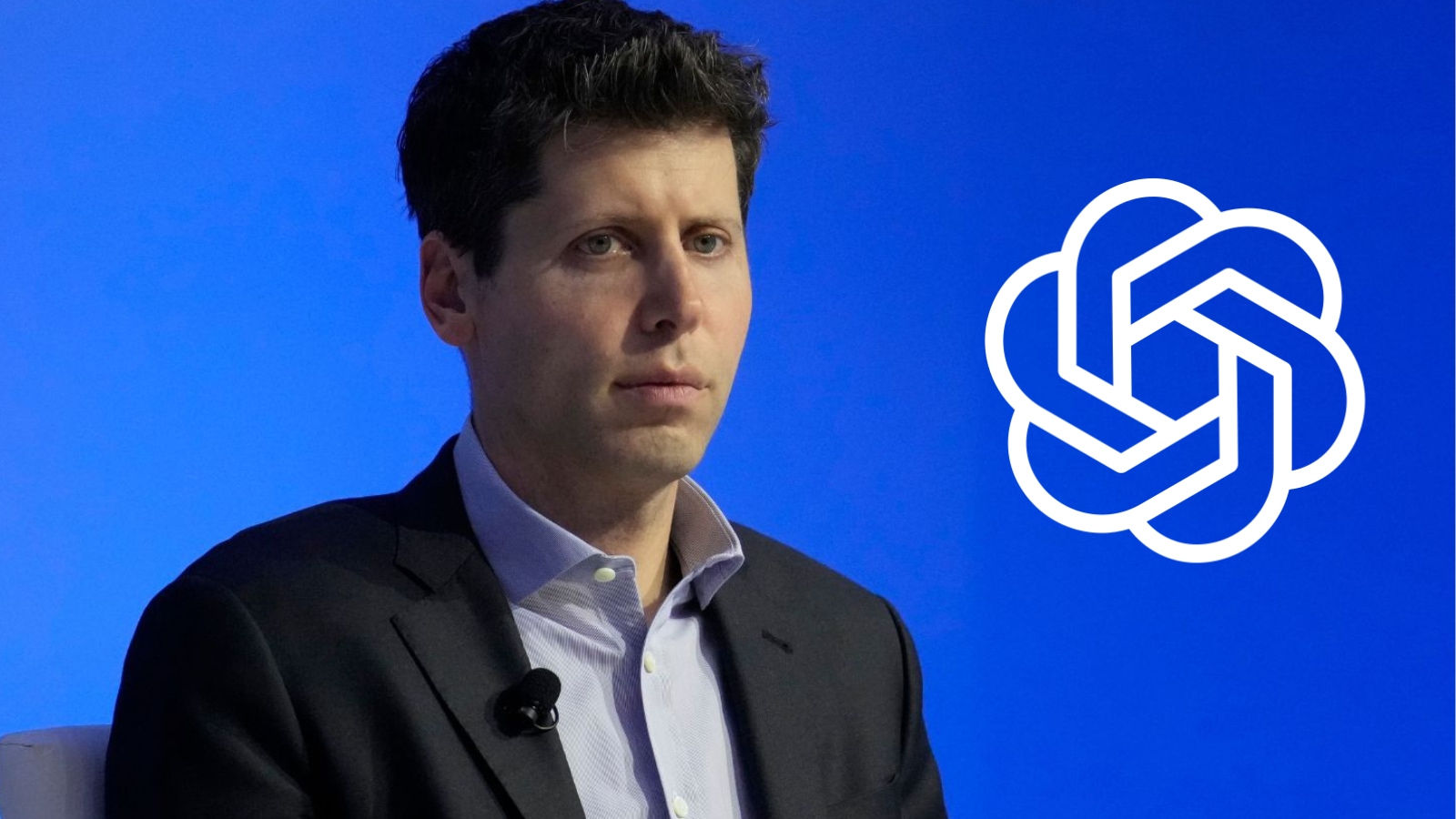
In a newly published interview, OpenAI CEO Sam Altman said the next big leap in AI will come from systems with near “infinite memory” of users’ lives rather than better raw reasoning. Speaking on a podcast with Alex Kantrowitz, he argued persistent memory will let AI remember every detail of users’ preferences and history, while acknowledging the significant privacy risks.
About this summary
This article aggregates reporting from 1 news source. The TL;DR is AI-generated from original reporting. Race to AGI's analysis provides editorial context on implications for AGI development.
Race to AGI Analysis
Altman’s comments crystallize a strategic bet: that the bottleneck for next‑gen assistants isn’t raw IQ, it’s continuity. A model that remembers years of your interactions, projects and quirks can appear far more “intelligent” without a single extra parameter, simply because it has richer context. That pushes the race toward building lifelong, deeply personalized systems rather than just taller transformers. It’s also consistent with OpenAI’s recent push into memory features and personalization controls at the ChatGPT layer.([indianexpress.com](https://indianexpress.com/article/technology/artificial-intelligence/openai-ceo-sam-altman-ai-memory-personalised-10430008/))
But “infinite memory” is where technical ambition smashes into privacy and safety. Persistently logging and learning from a user’s entire digital footprint raises hard questions about consent, retention, portability and algorithmic power imbalances. Whoever solves those constraints in a way regulators and the public accept will have a huge moat: their models will simply know their users better than anyone else’s. For rivals, that means it’s no longer enough to match benchmark scores—you also need a story about trustworthy, long‑term memory.
In the AGI discourse, this shifts attention from pure reasoning breakthroughs to cognitive architecture: how do we mix long‑term memory, short‑term context and world models into a coherent agent without creating a surveillance nightmare?
Who Should Care
Companies Mentioned
Related Deals
SoftBank is working to deliver a previously agreed $22.5 billion multi-tranche investment into OpenAI to fund large-scale AI data center projects.
OpenAI is in early-stage talks to raise up to $100 billion in new funding that could lift its valuation to roughly $750–830 billion, according to multiple media reports citing unnamed sources.
 Amazon→
DOE signed nonbinding MOUs with 24 AI and compute organizations to apply advanced AI and high-performance computing to Genesis Mission scientific and energy projects.
Preliminary talks for a potential funding round of up to $100 billion that would value OpenAI around $750 billion.
Disney granted OpenAI’s Sora a one‑year exclusive license to use over 200 Disney, Marvel, Pixar and Star Wars characters for user‑generated AI video content as part of a broader three‑year partnership.
Related News

Google Gemini adds Kazakh language support via local rollout
Today
OpenAI and Odisha partner to train students and pilot AI in government
Today
Google A2UI open protocol lets AI agents generate native interfaces
Today