Yunus Emre Institute plans AI platform to scale Turkish language learning
TL;DR
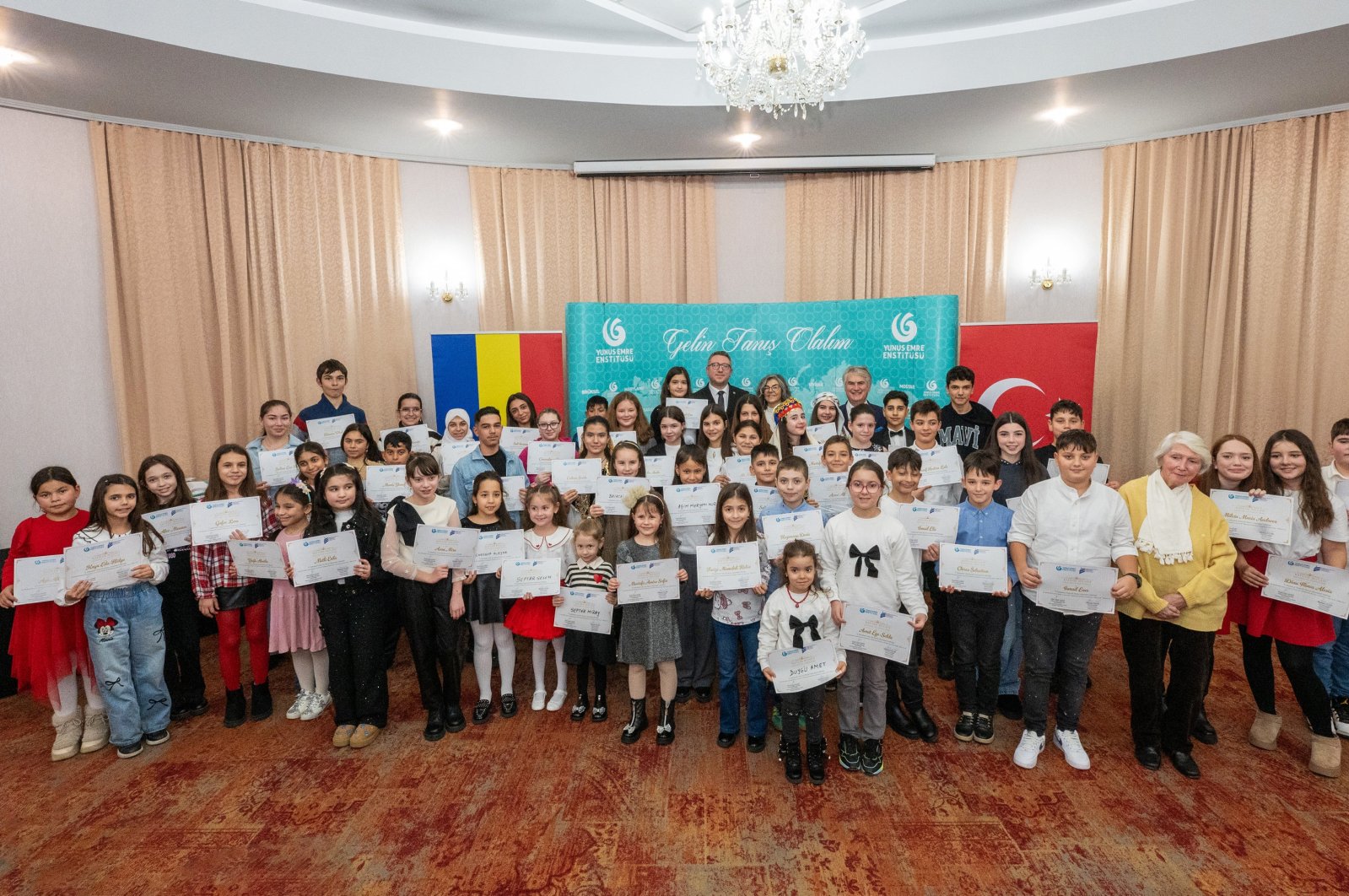
Turkey’s Yunus Emre Institute said on Dec. 21, 2025 it is developing an artificial intelligence–based platform to teach Turkish globally starting in 2026. The cultural diplomacy body aims to pair advanced AI with established language-teaching methods to reach more learners across its 93 centers in 69 countries.
About this summary
This article aggregates reporting from 1 news source. The TL;DR is AI-generated from original reporting. Race to AGI's analysis provides editorial context on implications for AGI development.
Race to AGI Analysis
Ankara’s Yunus Emre Institute building an AI-based Turkish-learning platform is more than an edtech story; it’s another data point in the race to bring non-English languages into the center of the AI ecosystem. Today’s most capable models still perform best in English, and even major languages such as Turkish lag in training data, evaluation benchmarks, and tailored tooling. A state-backed push to embed AI into language teaching, tied to a dense global network of cultural centers, will generate both structured content and interaction data that can feed future multilingual models.
Strategically, this kind of initiative matters because AGI won’t be “general” if it is effectively monolingual and culturally narrow. Large-scale, pedagogically informed Turkish content and learner data could help close gaps in model performance for Turkic languages and adjacent dialects. It also positions Turkey as more than a passive consumer of frontier models: over time, its institutions could partner with labs or startups to fine-tune specialized models on this corpus for education, translation, and cultural preservation.
For the broader race, the move underscores a trend: governments and cultural institutions are no longer waiting for Big Tech to solve multilingual AI. Instead, they’re starting to treat language assets as strategic infrastructure—something that, if replicated across regions, would make the AI landscape far less Anglophone-centric.
Who Should Care
Related News

Anthropic Claude Opus 4.5 hits 4h49m METR long-horizon mark
Today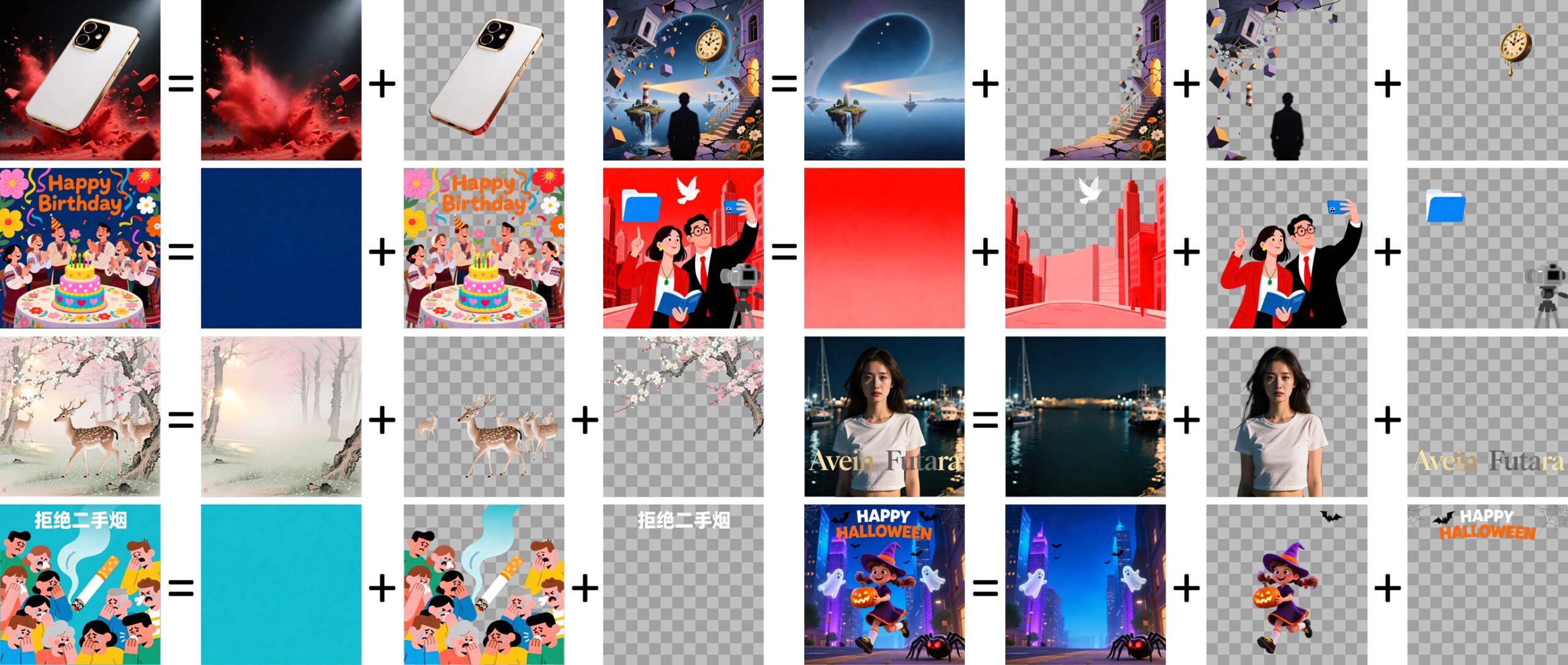
Alibaba Qwen unveils Qwen-Image-Layered for editable AI images
Today
UCLA AI tool flags undiagnosed Alzheimer’s with 80% sensitivity
Today