Google and Tel Aviv University launch $1M core AI research program
TL;DR
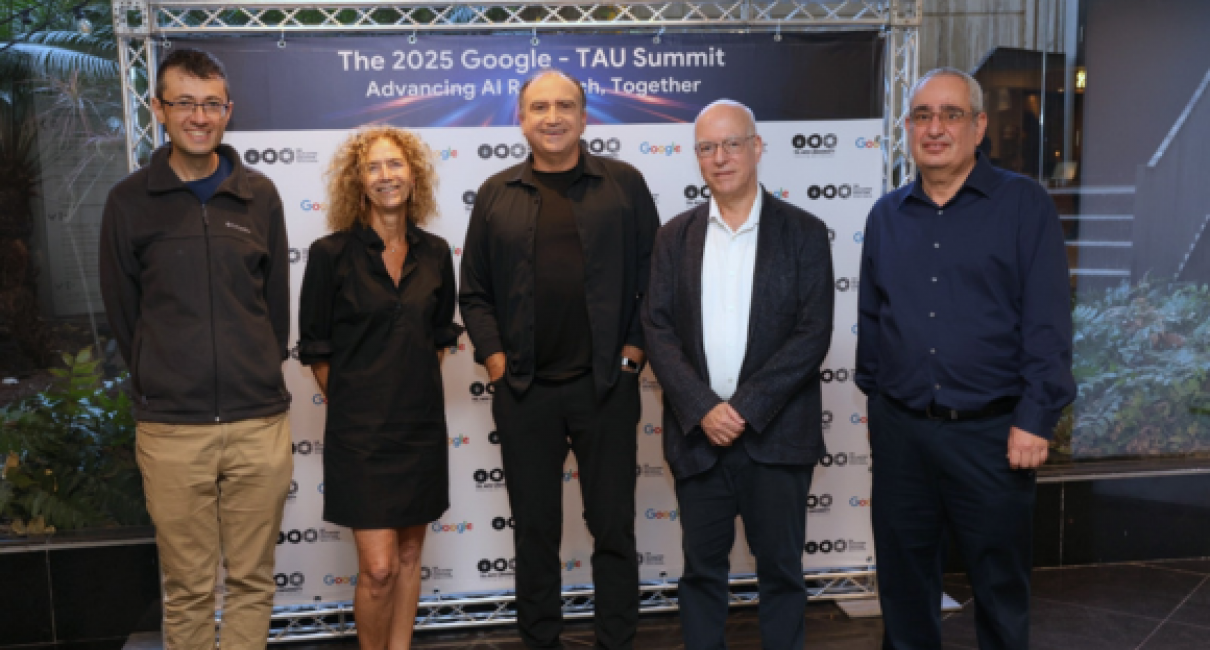
On December 21, 2025, Tel Aviv University and Google Israel announced a new three‑year AI research program funded by a $1 million grant from Google.org. The initiative will back foundational work on language models, algorithmic efficiency and privacy, while also funding graduate scholarships and outreach programs for Israeli teens.
About this summary
This article aggregates reporting from 3 news sources. The TL;DR is AI-generated from original reporting. Race to AGI's analysis provides editorial context on implications for AGI development.
Race to AGI Analysis
This partnership is modest in dollar terms but symbolically important. Google is effectively seeding a mini‑Bell Labs for core AI in the Israeli academic ecosystem, with Tel Aviv University positioning its Center for AI & Data Science as a hub for foundational work on language models, privacy and algorithmic efficiency. That kind of upstream research funding tends to pay off with new architectures, better theoretical understanding of why current models work as well as they do, and a steady pipeline of PhDs who can move fluidly between academia and industry. ([english.tau.ac.il](https://english.tau.ac.il/news/tau-and-google-launch-new-program?utm_source=openai))
In the broader AGI race, this is another data point in a trend we’ve seen from Google, OpenAI, Anthropic and others: deepen ties with top universities to extend their research surface area without having to hire everyone in‑house. For Google, it also helps counter the narrative that the most interesting frontier work has shifted to US‑based startups by anchoring a high‑profile program in Israel, a country with a dense concentration of AI talent and defense‑driven use cases. Over time, expect more of these $1–5 million focused research alliances—especially around topics like efficiency and privacy that could meaningfully alter the cost and risk profile of very large models.
Who Should Care
Companies Mentioned
Related Deals
DOE signed nonbinding MOUs with 24 AI and compute organizations to apply advanced AI and high-performance computing to Genesis Mission scientific and energy projects.
Google Public Sector and Google DeepMind will provide Gemini-based AI platforms and tools to DOE’s Genesis Mission, giving all 17 U.S. national laboratories secure access to frontier models such as Gemini for Government and the AI co-scientist system.
Waymo is reportedly negotiating a funding round exceeding $15 billion at around a $100 billion valuation to expand its robotaxi operations.
Google and Google DeepMind committed roughly $13.05 million in grants to India’s AI centers of excellence, Wadhwani AI and several Indic‑language AI startups to accelerate AI deployment in health, agriculture, education and smart cities.
OpenAI, Anthropic, Block and major cloud providers are co-founding the Agentic AI Foundation under the Linux Foundation to steward open, interoperable standards for AI agents.
Related News

AWS and Bahrain iGA deploy Amazon Bedrock for government AI
Today
Al Jazeera and Google Cloud launch ‘The Core’ AI newsroom
Today