Anthropic Mythos 5 returns in tightly controlled US-only relaunch
TL;DR
Anthropic began restoring access to its flagship Claude Mythos 5 model on June 28, 2026, after a two‑week US government‑ordered shutdown. Access is limited to a small set of US-based cyber‑defense and critical infrastructure operators, while the consumer-facing Fable 5 model remains offline worldwide.
About this summary
This article aggregates reporting from 4 news sources. The TL;DR is AI-generated from original reporting. Race to AGI's analysis provides editorial context on implications for AGI development.
Read next
Race to AGI Analysis
The Mythos 5 restart under strict US-only conditions is a clear sign that frontier models have crossed a political threshold: they are now treated less like cloud software and more like dual-use strategic assets. For Anthropic, this partial reopening salvages some commercial momentum and lets Project Glasswing customers resume cyber‑defense pilots, but at the cost of accepting a de facto US national-security perimeter around its most advanced capabilities. That perimeter is now drawn not only by export law but by case‑by‑case access decisions overseen in Washington.([kulturegeek.fr](https://kulturegeek.fr/news-354574/anthropic-retablit-claude-mythos-5-fable-5))
For the broader race to AGI, the key shift is that model access, not just model quality, is becoming a policy lever. Mythos can be switched from global to US‑only overnight, and foreign customers—including Anthropic’s own non‑US staff—remain locked out while American agencies and vetted firms retain privileged use. This precedent will shape how other labs think about ultra‑capable “red team” or security‑oriented models: if the most valuable capabilities trigger sovereign gating, they may increasingly be built for government and defense customers first, with the open internet as a distant second. That bifurcation could deepen the gap between what public developers can touch and what frontier labs are actually running in secure environments.
Who Should Care
Related News
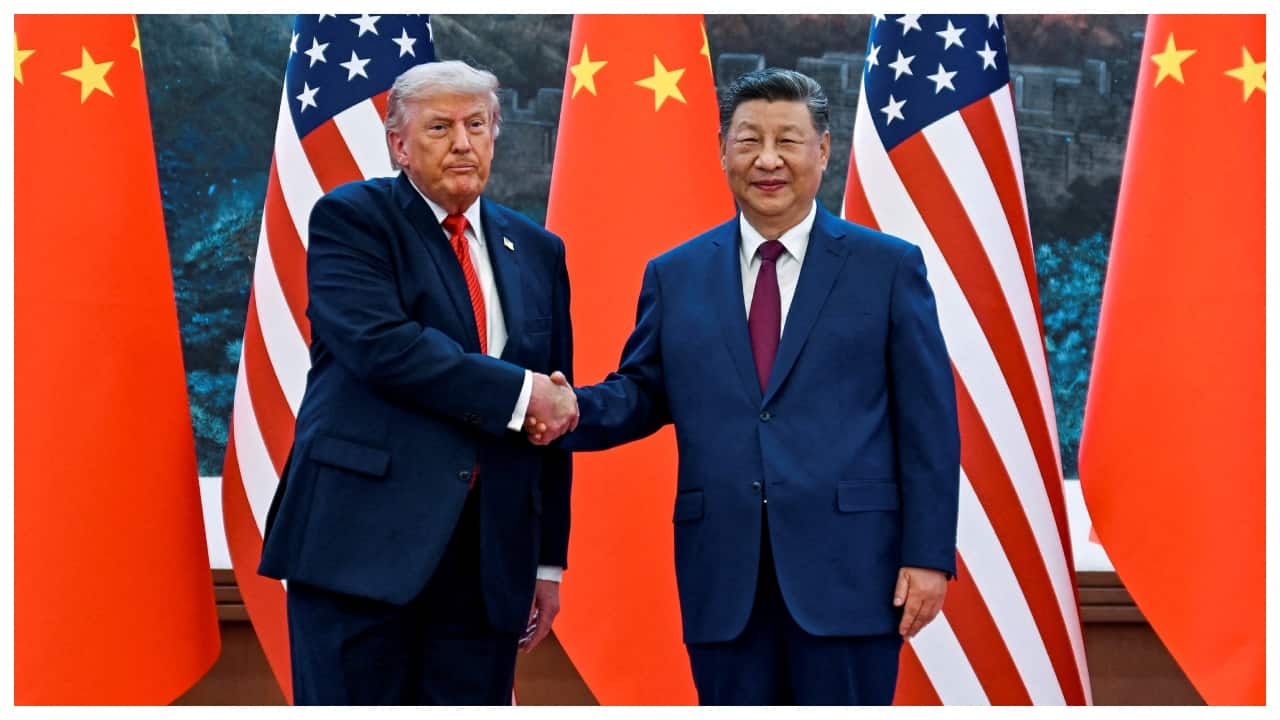
US China pre summit talks put AI risks at center of trade agenda
4 days agoWorld leaders demand AI guardrails to keep systems under human control
4 days agoHHS backs ARPA-H AI models to cut animal testing in drug R&D
4 days ago