Anthropic Mythos 5 restored for 100+ US critical infrastructure users
TL;DR
On June 28, 2026, AI News Blitz reported that Anthropic has begun restoring access to its Claude Mythos 5 cybersecurity model for more than 100 US critical‑infrastructure organizations after a Commerce Department export‑control order earlier in June. General‑purpose twin model Fable 5 remains offline for broader users.
About this summary
This article aggregates reporting from 6 news sources. The TL;DR is AI-generated from original reporting. Race to AGI's analysis provides editorial context on implications for AGI development.
Read next
Race to AGI Analysis
Mythos 5 coming back online for a hand‑picked set of US critical‑infrastructure operators underlines how central frontier AI is becoming to cyber defense—and how tightly access will be politicked. Two weeks ago, the US effectively forced Anthropic to pull both Fable 5 and Mythos 5 worldwide. Now, the government is selectively re‑opening the taps for domestic entities it deems trustworthy, while keeping consumer‑facing Fable 5 in the penalty box. ([ainewsblitz.com](https://www.ainewsblitz.com/brief/PHArQf5c8MJK))
Strategically, this cements a model where the most capable and offense‑relevant AI systems are treated as national security assets. Anthropic is being nudged into a role somewhere between a commercial vendor and a quasi‑defense contractor, with export permissions conditional on protocols it negotiates with Commerce. That has direct consequences for foreign operators, including allies, who now see that access to top US models can vanish overnight and be restored only for a narrow US‑centric club. Unsurprisingly, that will energize “sovereign AI” pushes in Europe, Asia and the Gulf.
For OpenAI, this is also a warning shot: GPT‑5.6 is already under similar review. Over time, we should expect a bifurcated landscape: heavily gated cyber‑capable frontier models on one side, and more broadly accessible but somewhat defanged systems on the other. The race to AGI will increasingly be constrained not just by compute and algorithms, but by who national security bureaucracies choose to trust.
Who Should Care
Related News
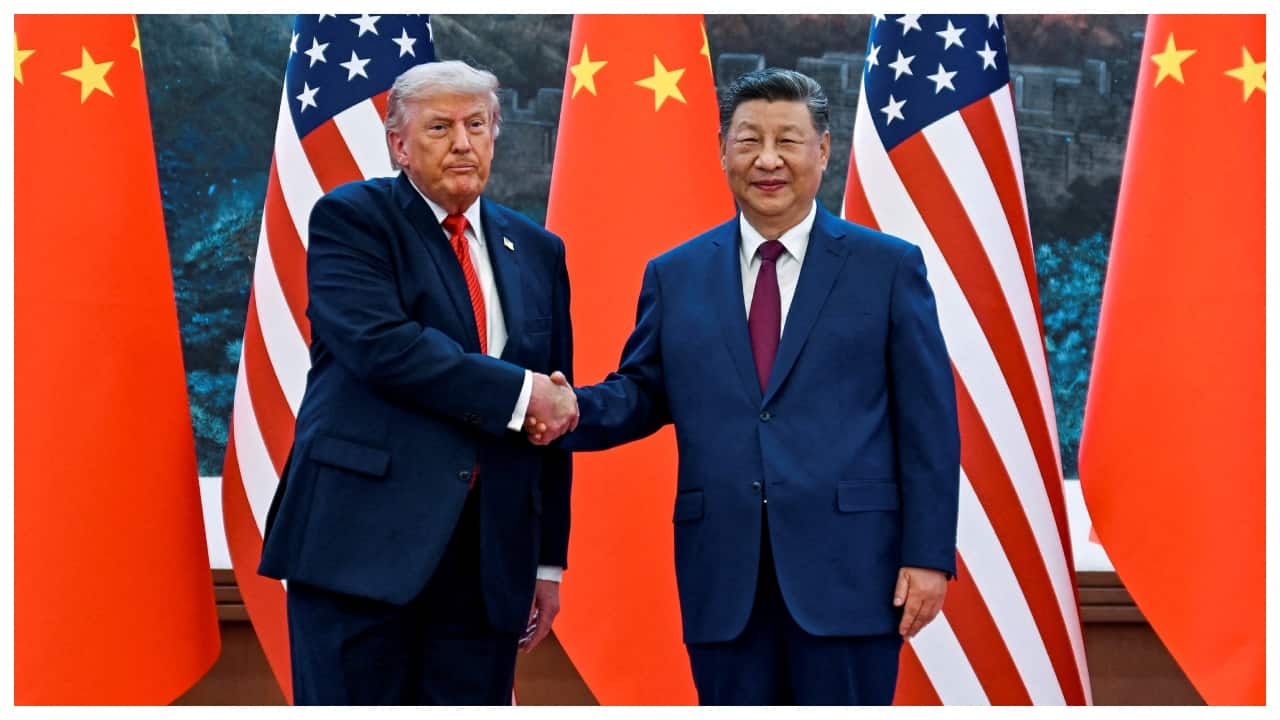
US China pre summit talks put AI risks at center of trade agenda
3 days agoWorld leaders demand AI guardrails to keep systems under human control
3 days agoHHS backs ARPA-H AI models to cut animal testing in drug R&D
3 days ago