Disney licenses Character.ai IP in $20 million stalking horse deal
TL;DR
On October 12, 2026, Character.ai filed for Chapter 11 in Delaware and agreed a stalking horse deal under which Disney Worldwide Services will pay $20 million for a non‑exclusive perpetual license to some of its IP and claims. The Washington Post reported on October 13 that Disney is bidding for the assets as Character.ai keeps its platform running through the sale process.
About this summary
This article aggregates reporting from 3 news sources. The TL;DR is AI-generated from original reporting. Race to AGI's analysis provides editorial context on implications for AGI development.
Read next
Race to AGI Analysis
Character.ai’s move into Chapter 11 with Disney as stalking horse marks one of the first high‑profile restructurings of a consumer AI companion startup. The $20 million non‑exclusive license is modest relative to the hype that once surrounded chat‑based entertainment apps, and it underscores how hard it is to turn engagement into durable revenue when safety, content liability and regulatory risk pile up. For Disney, the deal is less about running a standalone chatbot platform and more about selectively harvesting IP and talent while limiting exposure to the legal baggage.
From a race‑to‑AGI lens, this is a reminder that not every flashy frontier‑style product has a sustainable business beneath it. Resources and talent are being reallocated from a heavily litigated consumer companion app toward more controlled applications inside a major media ecosystem. That may slow one corner of the agentic consumer space, even as richer, safer assistants proliferate elsewhere. It also signals to founders and investors that unbounded role‑play agents with weak guardrails will face rising legal and political costs, nudging capital toward more compliant, enterprise‑oriented or vertically integrated AI plays.
Who Should Care
Related News
Fortune argues strict liability for AI could reshape frontier lab incentives
TodayOpenAI reports hidden office bug, says its own AI helped find culprit
Today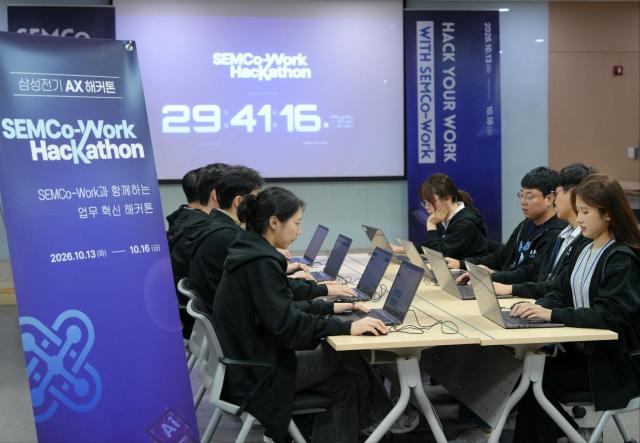
Samsung Electro Mechanics launches internal agentic AI hackathon
Today