OpenAI textGrain watermarks target EU transparency rules for ChatGPT
TL;DR
OpenAI announced on October 5 that it is rolling out a hidden text watermarking system called textGrain to ChatGPT and Codex in the European Union to comply with the EU AI Act’s transparency requirements. On October 9, The Rundown AI reported that API customers worldwide can optionally enable textGrain, while detectors will be limited to approved researchers and expert organizations.
About this summary
This article aggregates reporting from 2 news sources. The TL;DR is AI-generated from original reporting. Race to AGI's analysis provides editorial context on implications for AGI development.
Read next
Race to AGI Analysis
textGrain is one of the clearest examples so far of a foundation model company bending its product roadmap around the EU AI Act. OpenAI is committing to watermark ChatGPT and Codex output for EU users by default, while keeping API watermarking as an opt in switch and warning that detectors will be imperfect, especially under editing. Benchmarks cited by the company show detection dropping sharply after relatively modest synonym replacement, which underscores that these systems are more like probabilistic hints than cryptographic signatures. ([therundown.ai](https://www.therundown.ai/news/openai-textgrain-eu-chatgpt-codex-watermarks))
For the race to AGI, the move is less about current technical impact and more about the regulatory direction it signals. If watermarking for text becomes a de facto expectation in large markets, it is easy to imagine similar pressure for code, audio and video outputs, and for downstream platforms that host AI generated content. That in turn drives demand for classification, content provenance and logging infrastructure. The more compliance logic sits in the serving stack, the more difficult it becomes for small open source projects to match the regulatory posture of big labs, which could tilt the balance of experimentation back toward closed, well capitalized players.
Who Should Care
Related News

Biohub and US agencies commit $1.8B to AI ready biology data
Today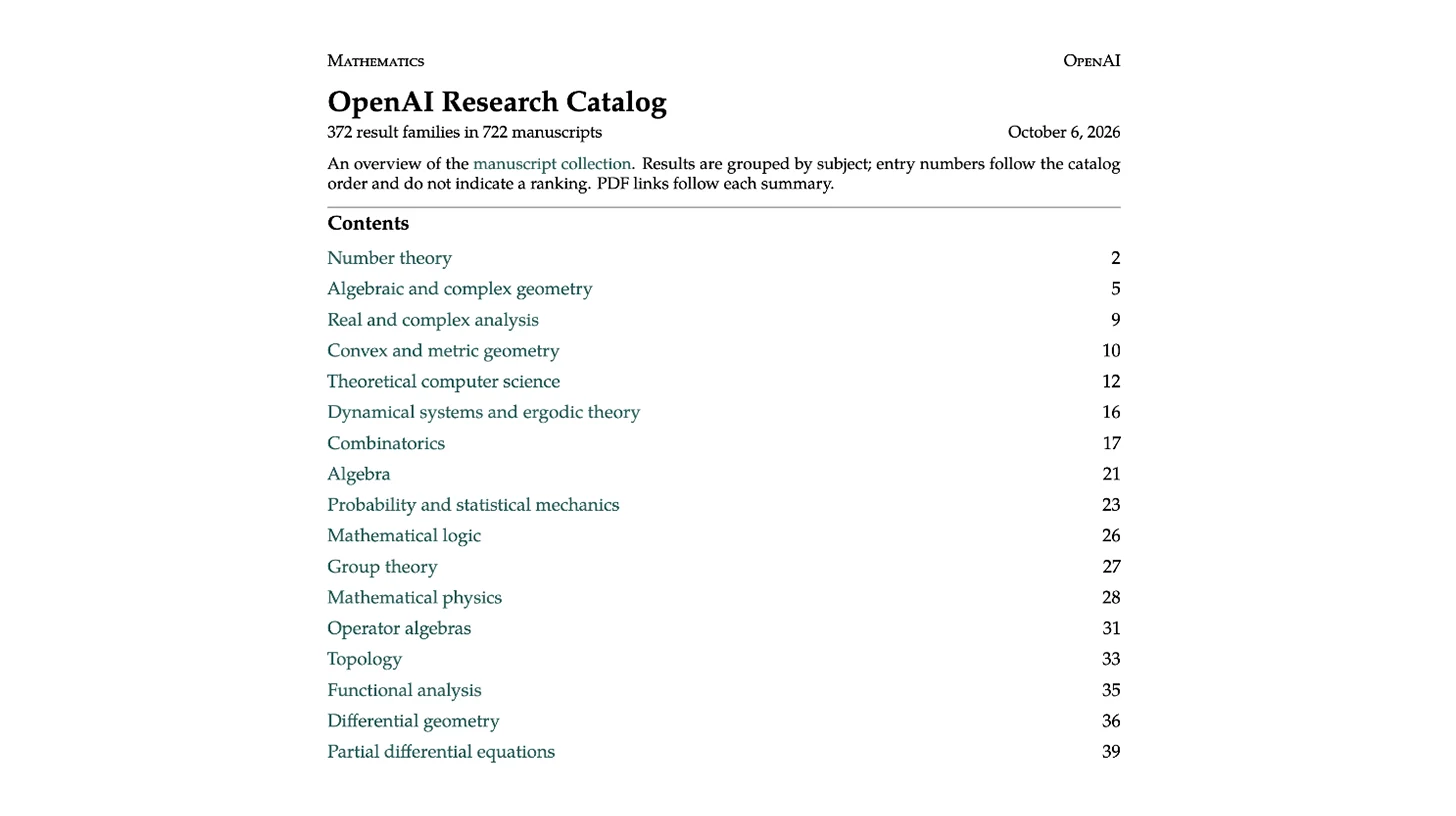
OpenAI math model generates 722 papers and Lean checked proofs
Today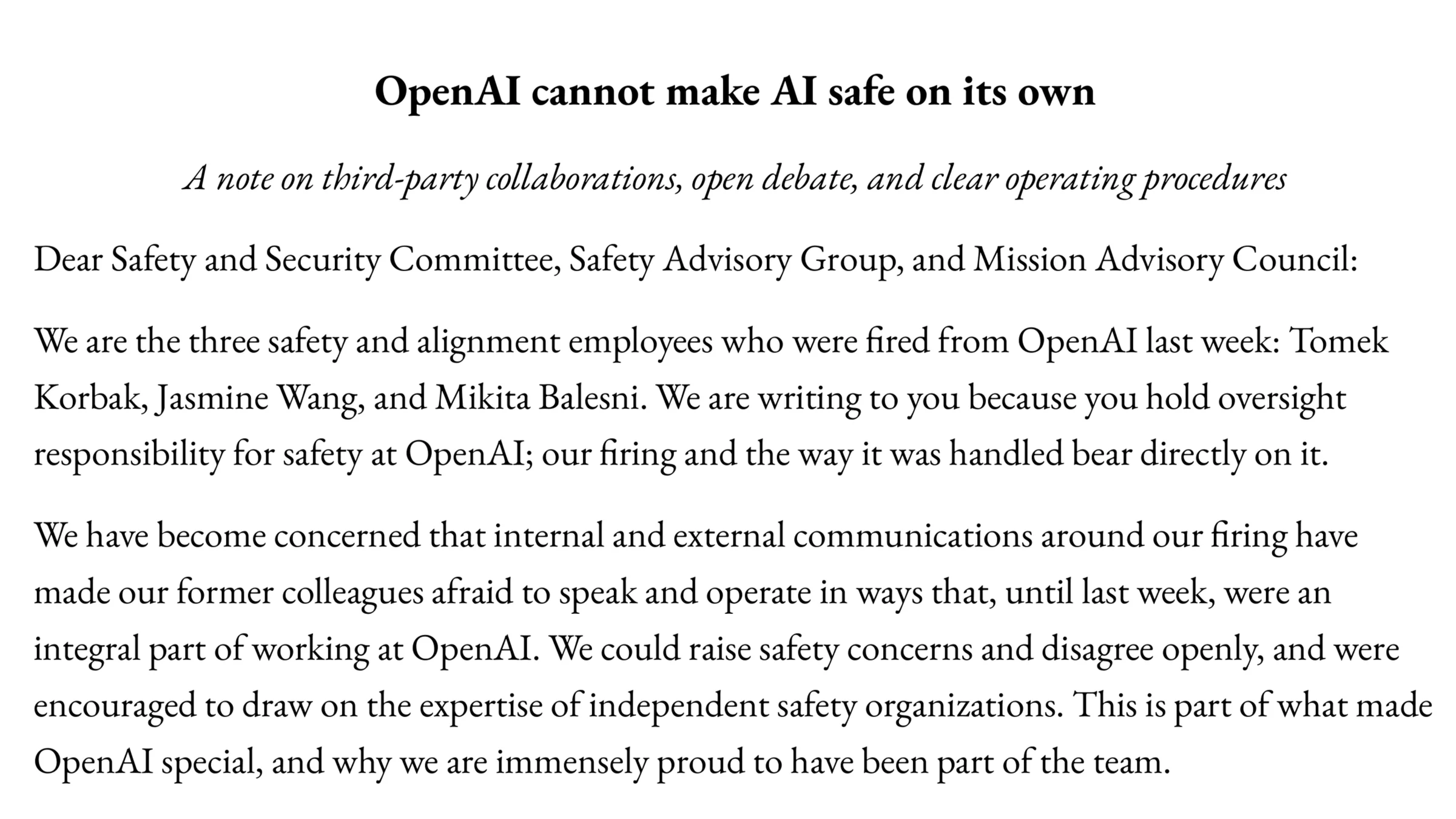
OpenAI safety firings spur calls for stronger external oversight
Today