UNESCO Riyadh forum pushes global AI ethics tools and governance metrics
TL;DR
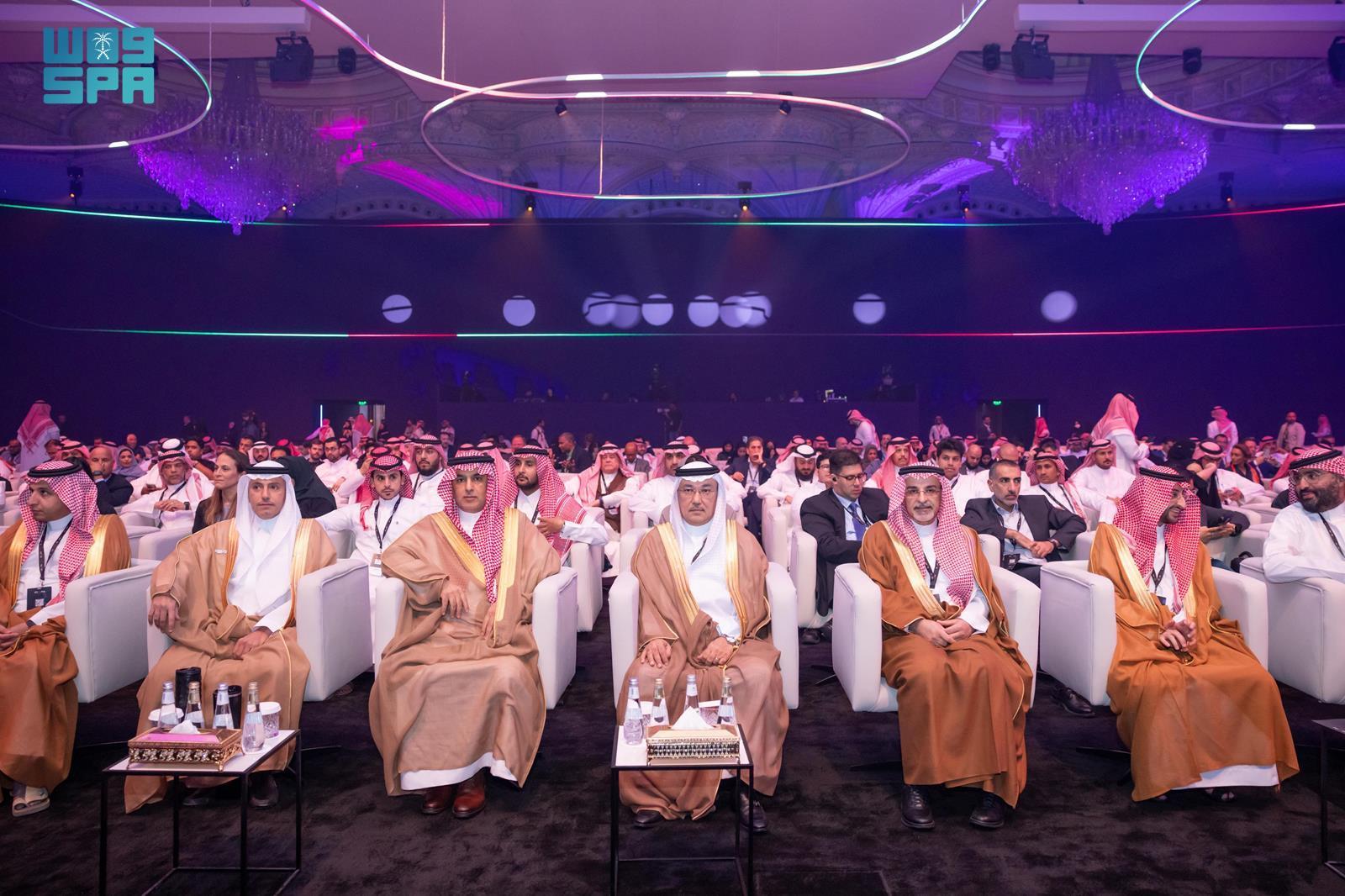
On September 17, 2026, Saudi outlet Al-Bilad reported on the second day of UNESCO’s Global Forum on the Ethics of Artificial Intelligence in Riyadh, which hosted 18 workshops and sessions. UNESCO used the event to launch new tools to help countries assess AI readiness, strengthen governance and address the environmental impacts of large-scale AI.
About this summary
This article aggregates reporting from 3 news sources. The TL;DR is AI-generated from original reporting. Race to AGI's analysis provides editorial context on implications for AGI development.
Read next
Race to AGI Analysis
The Riyadh forum is a reminder that AI ethics is no longer just a Brussels or San Francisco conversation. By hosting UNESCO’s flagship event and rolling out governance and readiness tools, Saudi Arabia is helping anchor AI ethics in a broader global South and Gulf context. For UNESCO, packaging its principles into concrete diagnostics gives finance ministries and telecom regulators something more actionable than high‑level charters.
The focus on environmental impact and cultural and linguistic diversity is especially relevant as AI compute scales. Many countries watching the US and China build gigantic facilities now have a template for asking: what is the carbon cost, who pays for grid upgrades, and will local languages be represented in the systems that shape education and media? The tools launched in Riyadh could give smaller states a common language for negotiating with big labs and cloud providers.
From an AGI‑race standpoint, forums like this are part of the slow, grinding work that might eventually translate into hard constraints: procurement rules, national standards and cross‑border agreements. None of that stops OpenAI or Google from training their next model tomorrow, but it does increase the odds that deploying AGI‑class systems into health, finance or critical infrastructure will require third‑party assessments beyond what labs choose to disclose.
Who Should Care
Related News
UNESCO ethics of AI forum in Riyadh pushes global governance
Today
China adds AI agent developer and embodied AI roles to jobs list
Today