Teen‑built BeeGuard AI spots beehive problems with 94.7 percent accuracy
TL;DR
On August 29, 2026, Times of India profiled BeeGuard, an AI‑powered web app built by US students Ethan Liang and Rory Hu that monitors beehives via video and audio to flag issues such as mite infestations or a missing queen. The system, presented at the 2026 Conrad Challenge, reportedly detects problems with 94.7 percent accuracy in under a second and has been validated on four colonies.
About this summary
This article aggregates reporting from 1 news source. The TL;DR is AI-generated from original reporting. Race to AGI's analysis provides editorial context on implications for AGI development.
Read next
Race to AGI Analysis
BeeGuard is a small story with outsized symbolic value. It illustrates how far commoditised vision and audio models have come: two teenagers can now assemble a multimodal diagnostic system that solves a non‑trivial pattern‑recognition problem in a safety‑relevant domain. That is exactly the kind of “AI as co‑pilot” use case that will quietly proliferate across agriculture, maintenance and environmental monitoring long before AGI is formally declared.
For the AGI race, the takeaway is that capability diffusion is real. The same toolchain that enables BeeGuard will enable thousands of niche agents that observe, classify and act on real‑world signals. As more of these systems are deployed, they will generate data, profits and user expectations that feed back into demand for more powerful general models. At the same time, they create an enormous surface area for unintended consequences and dependency.
The project also underscores how AI talent pipelines are changing. High‑school and undergraduate students are no longer just learning to code; they are orchestrating pre‑trained models into end‑to‑end products with credible commercial potential. That compresses the time from research breakthrough to domain‑specific application and makes it harder for incumbents to monopolise applied innovation, even if they control the underlying frontier models.
Who Should Care
Related News
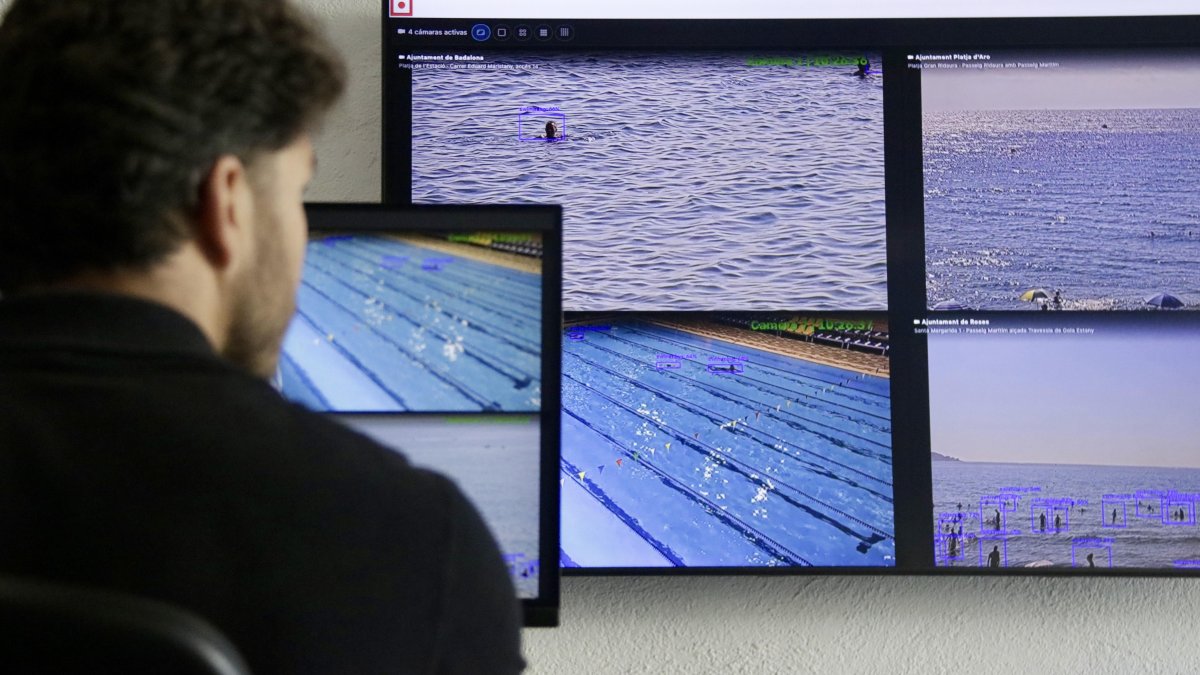
Spanish startup Laif deploys AI cameras to detect drowning risks
Today
Alibaba and ByteDance models dominate global AI video rankings
Today
South African banks showcase real-world AI deployment at CNBC summit
Today