WAIC 2026 secures $6B in AI deals and launches global WAICO body
TL;DR
On July 21, 2026, Shanghai’s official portal reported that the 2026 World Artificial Intelligence Conference closed with agreements for 32 AI projects worth over 40.9 billion yuan (about $6.05 billion). The conference also saw the formal establishment of the World Artificial Intelligence Cooperation Organization (WAICO), headquartered in Shanghai.
About this summary
This article aggregates reporting from 1 news source. The TL;DR is AI-generated from original reporting. Race to AGI's analysis provides editorial context on implications for AGI development.
Read next
Race to AGI Analysis
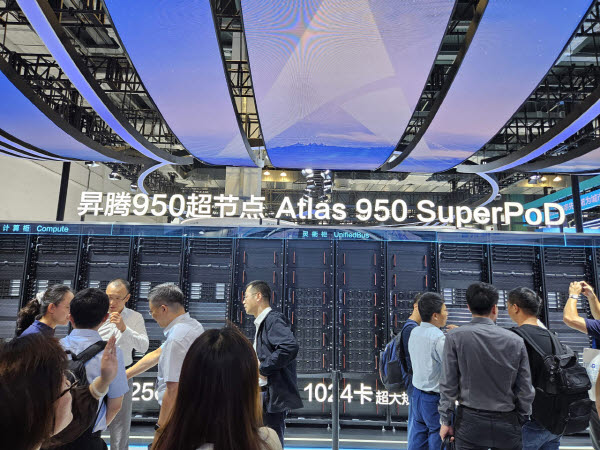
WAIC 2026’s closing numbers underscore just how quickly China is scaling the physical substrate of AI. A single conference locking in more than 40.9 billion yuan in AI projects, plus a separate 25‑billion‑yuan UniAI build‑out from Shanghai Unicom, shows the shift from pilot projects to industrial‑scale infrastructure. At the same time, the launch of WAICO creates an institutional anchor for countries that want a multilateral forum on AI rules outside the G7 orbit.
For the AGI race, this is less about one model and more about who controls the stack: power, datacenters, fibre, and policy. Shanghai is positioning itself as a “compute super‑node” where international firms, startups and state-backed labs can plug into subsidised capacity and a friendly regulatory regime. That’s a direct challenge to US and EU narratives that safety standards and export controls should flow from their institutions.
WAICO is the governance counterpart to that infrastructure play. If it gains real membership and technical heft, it could become a venue where model evaluation frameworks, red‑teaming norms and cross‑border AI trade rules are set with substantial Global South input. In practice, that could mean more permissive attitudes toward open‑weight models, looser content controls and politically divergent views of what “safe” AI looks like.
Who Should Care
Related News
China proposes AI export controls, Korea urges self-reliance
2 days ago
Brazil releases AI safety guide for children and teens
3 days ago
Microsoft faces proposed UK strategic market designation
3 days ago