UN scientific panel issues first global risk assessment on AI
TL;DR
On July 3, 2026, broadcasters including SBS Filipino and Timor-Leste’s TATOLI highlighted the first global assessment report from the UN’s Independent International Scientific Panel on AI. The report warns that AI capabilities are advancing faster than governments can regulate and will be tabled at the inaugural UN Global Dialogue on AI Governance in Geneva on July 6–7.
About this summary
This article aggregates reporting from 2 news sources. The TL;DR is AI-generated from original reporting. Race to AGI's analysis provides editorial context on implications for AGI development.
Read next
Race to AGI Analysis
The UN’s first global scientific assessment on AI is less about new technical insight and more about institutionalizing AI as a governance domain on par with climate. By creating a standing expert panel with a mandate to evaluate risks, opportunities and impacts, the UN is laying the groundwork for future norms and possibly hard law around frontier model deployment, safety evaluations and cross‑border flows of AI services. For labs, this is a signal that model cards and voluntary safety frameworks are likely to evolve into standardized disclosures and third‑party audits over the coming years. ([un.org](https://www.un.org/independent-international-scientific-panel-ai/en?utm_source=openai))
In practical terms, the report will feed directly into the Global Dialogue on AI Governance in Geneva, where states will test how far they can push ideas like exportable safety standards, compute reporting or sovereign access rights. The politics will be messy—China, the U.S., EU and the Global South all have different threat models—but the mere existence of a shared evidence base makes it harder for any one bloc to dominate the narrative. For the race to AGI, this doesn’t slam on the brakes, but it does increase the odds that frontier development will be constrained by multilateral expectations around transparency, evaluation and cross‑border risk, especially for military and critical‑infrastructure uses.
Who Should Care
Related News
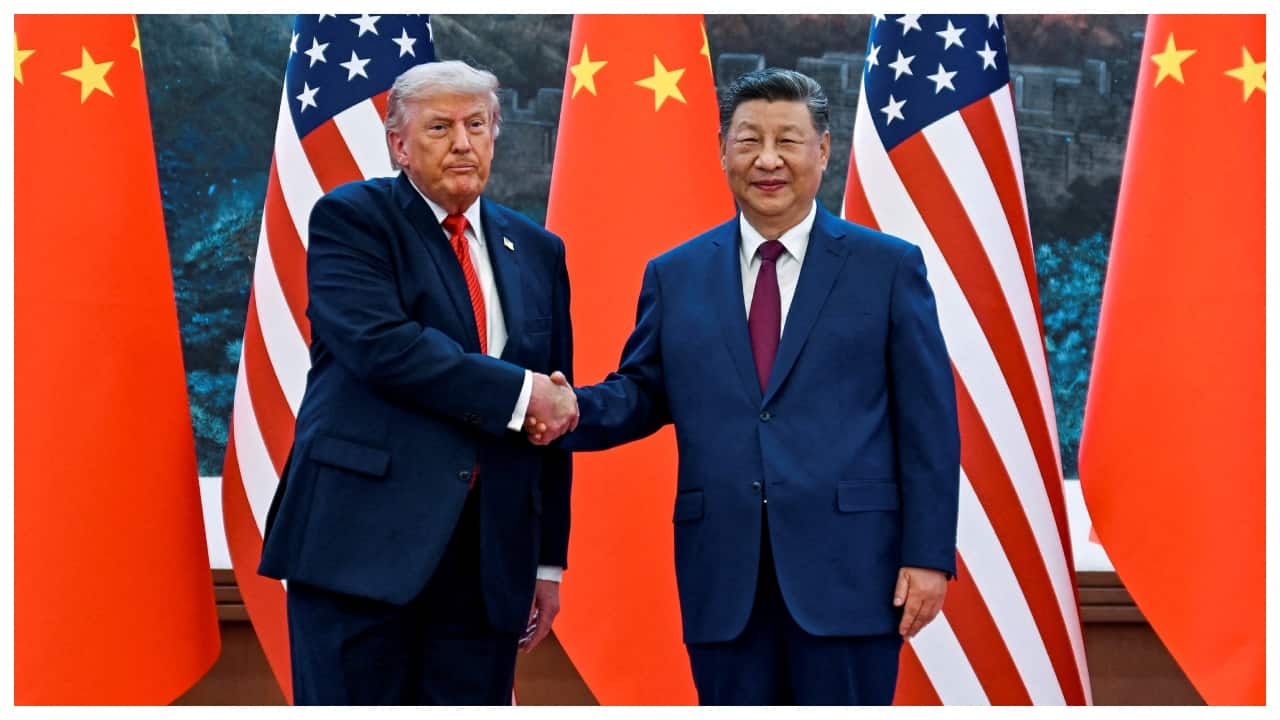
US China pre summit talks put AI risks at center of trade agenda
1 weeks agoWorld leaders demand AI guardrails to keep systems under human control
1 weeks agoHHS backs ARPA-H AI models to cut animal testing in drug R&D
1 weeks ago