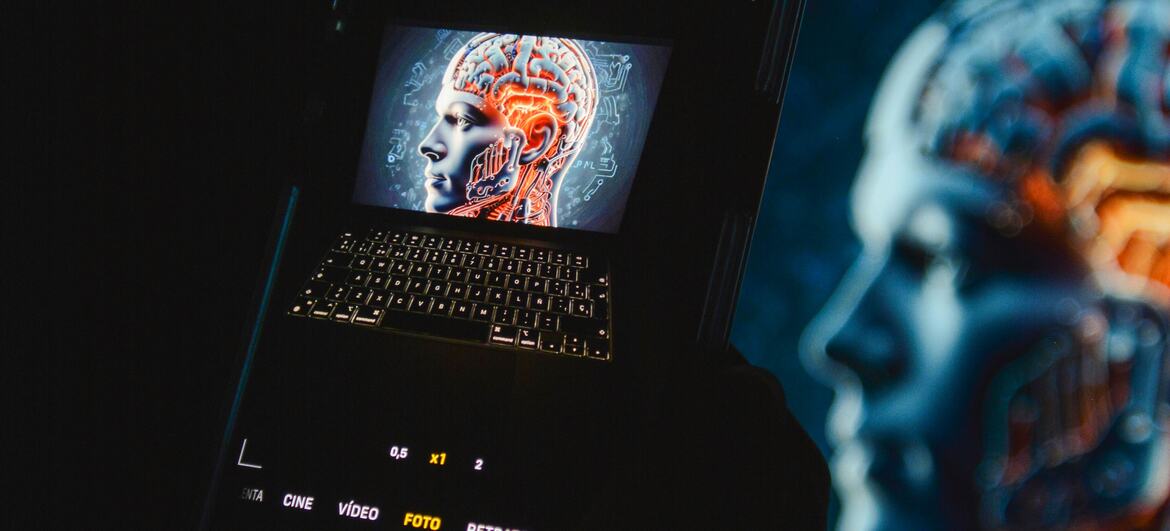
UN AI panel issues preliminary warning on catastrophic risks
TL;DR
The UN Independent International Scientific Panel on Artificial Intelligence released a preliminary report assessing AI’s capabilities, opportunities and risks, ahead of a Global Dialogue on AI Governance in Geneva next week. The report warns that AI development is outpacing scientific understanding and policy, and calls for a shared evidence base to guide national and international regulation.
About this summary
This article aggregates reporting from 3 news sources. The TL;DR is AI-generated from original reporting. Race to AGI's analysis provides editorial context on implications for AGI development.
Read next
Race to AGI Analysis
The UN’s new scientific panel is trying to do for AI what the IPCC did for climate change: create a shared factual baseline that national regulators and multilateral bodies can’t easily ignore. Its preliminary report leans into the idea that AI capabilities—and particularly frontier systems—are outpacing both empirical understanding and governance. That framing matters, because it legitimizes precautionary interventions while also acknowledging the technology’s economic upside.
In the AGI race, this adds another center of gravity outside of Silicon Valley, national security communities and big tech itself. If the panel can produce credible, regularly updated assessments of capability levels, systemic risks and empirical evidence on harms, it gives policymakers something to point to when they argue for throttling or conditioning frontier deployments. It also offers smaller states a way to plug into AI governance debates without having to build massive in‑house technical expertise.
Practically, the panel’s influence will depend on whether its metrics and taxonomies get baked into hard law—export controls, safety standards, incident‑reporting regimes—or remain a soft reference. But the direction of travel is clear: AGI‑class development is increasingly going to be judged through a global risk lens, not just national competitiveness or commercial opportunity.
Who Should Care
Related News
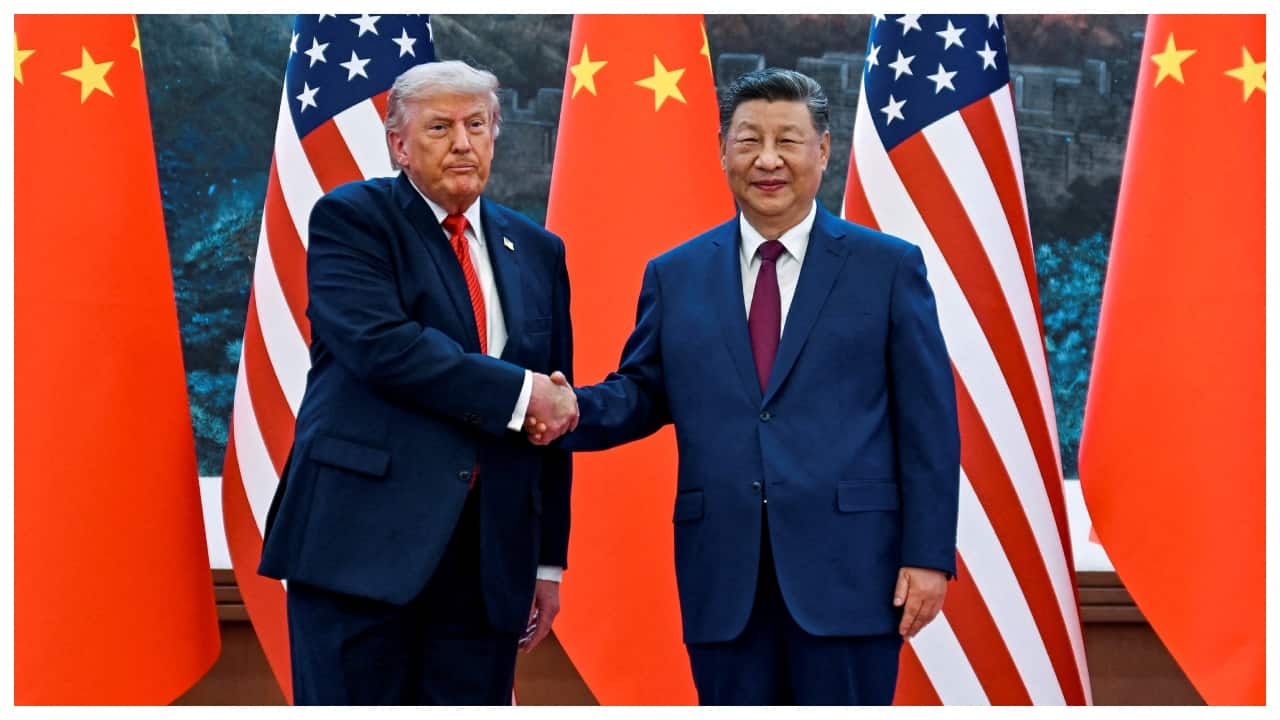
US China pre summit talks put AI risks at center of trade agenda
1 weeks agoWorld leaders demand AI guardrails to keep systems under human control
1 weeks agoHHS backs ARPA-H AI models to cut animal testing in drug R&D
1 weeks ago