Seoul offers AI credits and lounges to close youth skills gap
TL;DR
Seoul city has announced a “Youth AI Ladder Support Plan” that will give residents aged 19–39 vouchers for generative AI services and subsidise exam fees and bonuses for AI and data certifications. The city will also build “Seoul AI Lounge” facilities with high‑spec computers at public venues, starting with the Seoul Library by year‑end.
About this summary
This article aggregates reporting from 1 news source. The TL;DR is AI-generated from original reporting. Race to AGI's analysis provides editorial context on implications for AGI development.
Race to AGI Analysis
Seoul’s “AI ladder” initiative is one of the more concrete attempts to tackle what you could call the ‘AI divide’. The city is treating access to powerful generative models, compute, and formal AI credentials as a form of economic infrastructure, much like broadband a decade ago. By underwriting both usage credits and exam fees, Seoul is trying to ensure that AI upskilling isn’t limited to employees of big firms or graduates of elite universities.
From an AGI‑race perspective, this is about broadening the base of people who can productively use and build on top of advanced models. If more young workers in a major tech metropolis are comfortable delegating tasks, prototyping ideas, and experimenting with agents, you get more local innovation on top of the same global model substrate. That matters because the frontier labs are increasingly constrained by safety and governance debates, while value creation shifts to the edge. Cities and regions that treat AI literacy as a public good will likely generate more startups, more specialised datasets and more realistic feedback on where current systems fall short.
Who Should Care
Related News

China adds embodied AI robot roles to official job taxonomy
Today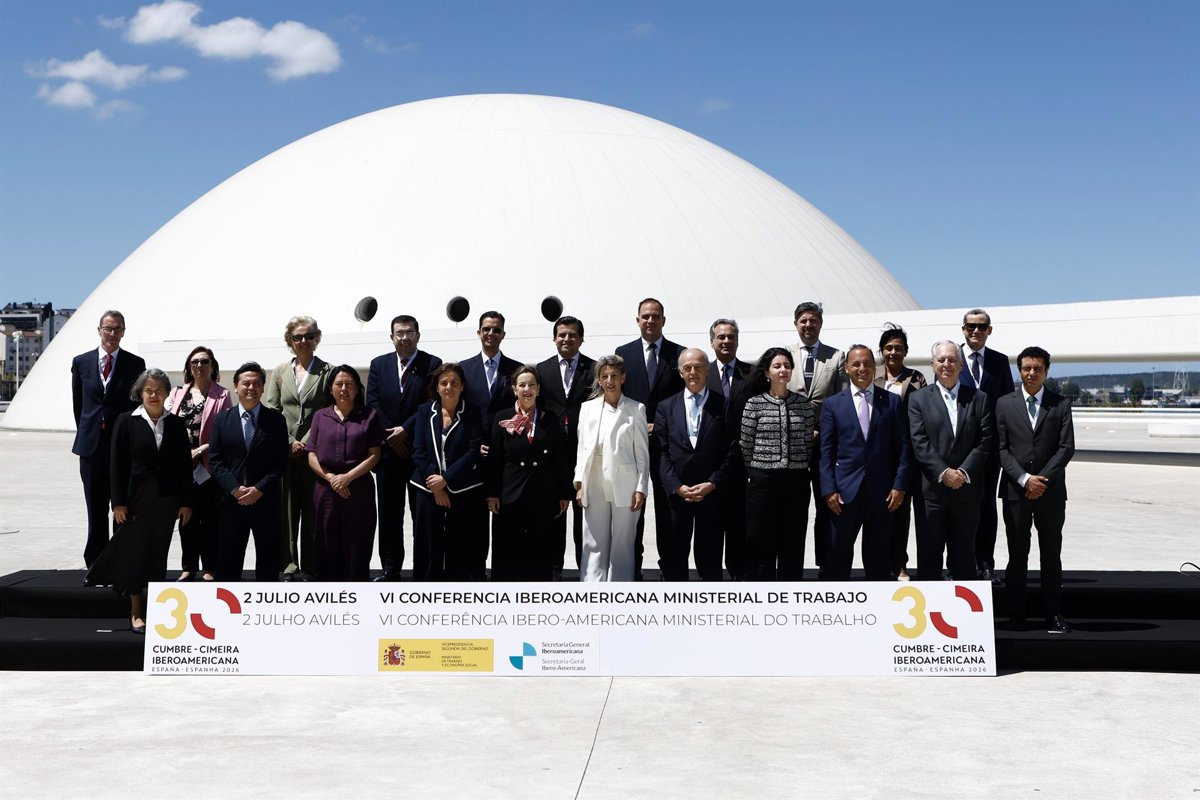
Ibero‑American ministers back Avilés Declaration on AI and workers’ rights
TodayIndia’s Supreme Court warns courts on AI hallucinations after fake precedents case
Today