BIS warns AI boom could amplify future financial instability risks
TL;DR
On June 28, 2026, BIS General Manager Pablo Hernández de Cos told the Bank for International Settlements’ Annual General Meeting that optimism around artificial intelligence helped keep global growth resilient in 2025. He warned, however, that an abrupt end to the AI investment boom, combined with high public debt and stretched asset valuations, is now a key vulnerability for the world economy.
About this summary
This article aggregates reporting from 1 news source. The TL;DR is AI-generated from original reporting. Race to AGI's analysis provides editorial context on implications for AGI development.
Read next
Race to AGI Analysis
The BIS is effectively telling central bankers and finance ministries that the AI boom is now macro‑relevant, not just a tech story. When the institution that worries about payment rails and sovereign debt explicitly names “the risk of an abrupt end to the AI investment boom” alongside inflation and fiscal fragility, it is acknowledging that hyperscale model training, data centers and chip capex have become systemically important flows.([bis.org](https://www.bis.org/speeches/sp260628.htm))
For the race to AGI, that matters in two ways. First, it confirms that frontier model development is unlikely to be constrained by capital in the near term; if anything, cheap money chasing AI returns could overbuild compute and infrastructure. Second, it foreshadows a world where macro‑prudential policy and AI policy intersect. If credit cycles in chips, data centers and AI‑heavy equities become destabilizing, regulators may respond with targeted capital rules, stress tests or even sector‑specific cooling measures. That would be a very different regime from the relatively laissez‑faire environment that powered the first GPT and Claude waves.
The speech doesn’t call for clampdowns on AI investment, but it clearly frames AI as a potential source of asset bubbles and mispricing. That framing will inform how prudential regulators think about large banks’ exposures to AI infrastructure and how tolerant they will be of another “dot‑com style” blow‑up centered on AGI‑adjacent bets.
Who Should Care
Related News
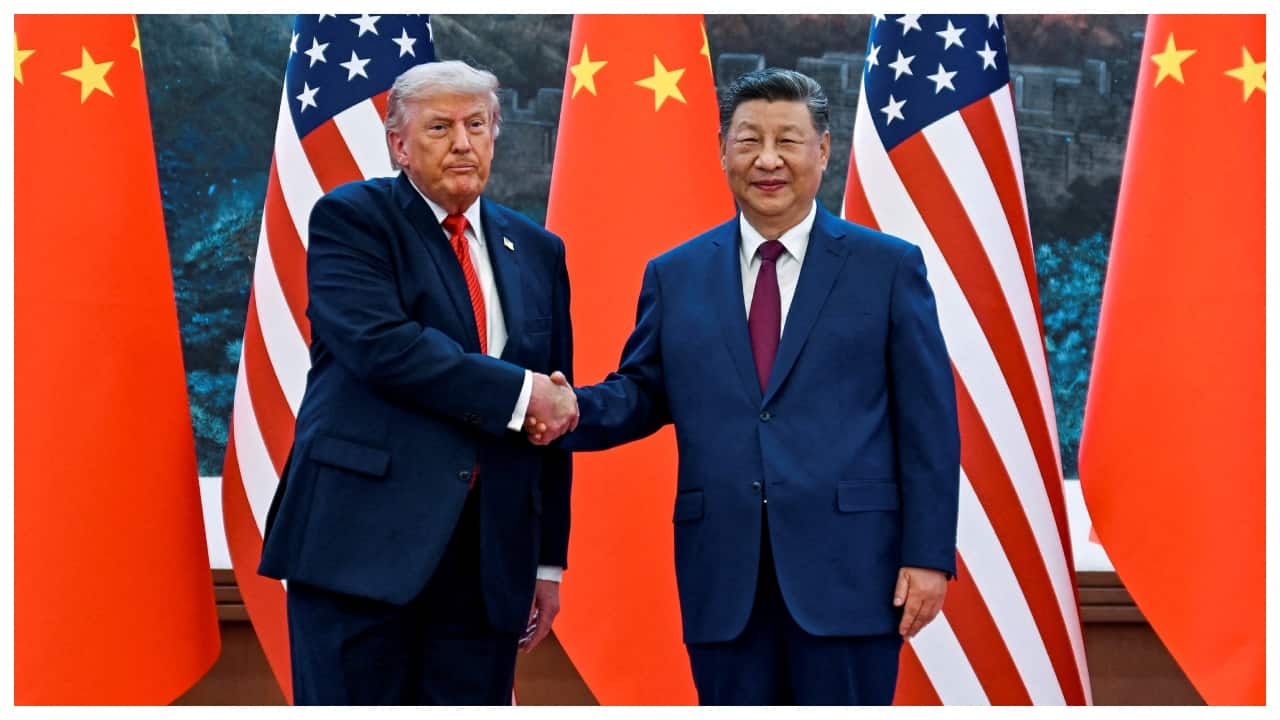
US China pre summit talks put AI risks at center of trade agenda
TodayWorld leaders demand AI guardrails to keep systems under human control
YesterdayHHS backs ARPA-H AI models to cut animal testing in drug R&D
Yesterday