OpenAI Jalapeño chip aims to slash AI inference costs
TL;DR
On June 25, 2026, Fortune revealed that OpenAI has officially named its first in‑house accelerator chip 'Jalapeño,' built with Broadcom and optimized for large language model inference. OpenAI plans to deploy Jalapeño across its data centers starting in late 2026 to reduce reliance on third‑party GPUs and lower serving costs for models like GPT‑5.5.
About this summary
This article aggregates reporting from 2 news sources. The TL;DR is AI-generated from original reporting. Race to AGI's analysis provides editorial context on implications for AGI development.
Race to AGI Analysis
Jalapeño marks OpenAI’s formal move into vertically integrated compute, and that matters as much strategically as any new model release. By co‑designing its own inference silicon with Broadcom, OpenAI is signaling that control over the hardware stack is now table stakes for labs operating at frontier scale. If Jalapeño delivers even modest efficiency gains at OpenAI’s current token volumes, it could free up enormous budget for training and experimentation rather than GPU rentals.
This also tightens the feedback loop between model architecture, serving patterns, and chip design. Instead of optimizing generic accelerators, OpenAI can now bake its own kernel profiles, memory layouts, and networking assumptions directly into silicon. That kind of co‑design tends to compound: each generation of models informs the next chip, which in turn enables even larger models and more agentic workloads. For Nvidia and other merchant silicon vendors, Jalapeño is a warning that their highest‑margin customers won’t stay purely downstream forever.
In the broader race to AGI, specialized in‑house inference chips reduce both marginal cost and latency. That makes always‑on assistants, multi‑agent systems, and tool‑heavy workflows cheaper to run at scale. Over a multiyear horizon, this tilts the playing field toward a small set of labs that can afford end‑to‑end hardware–software integration.
Who Should Care
Related News
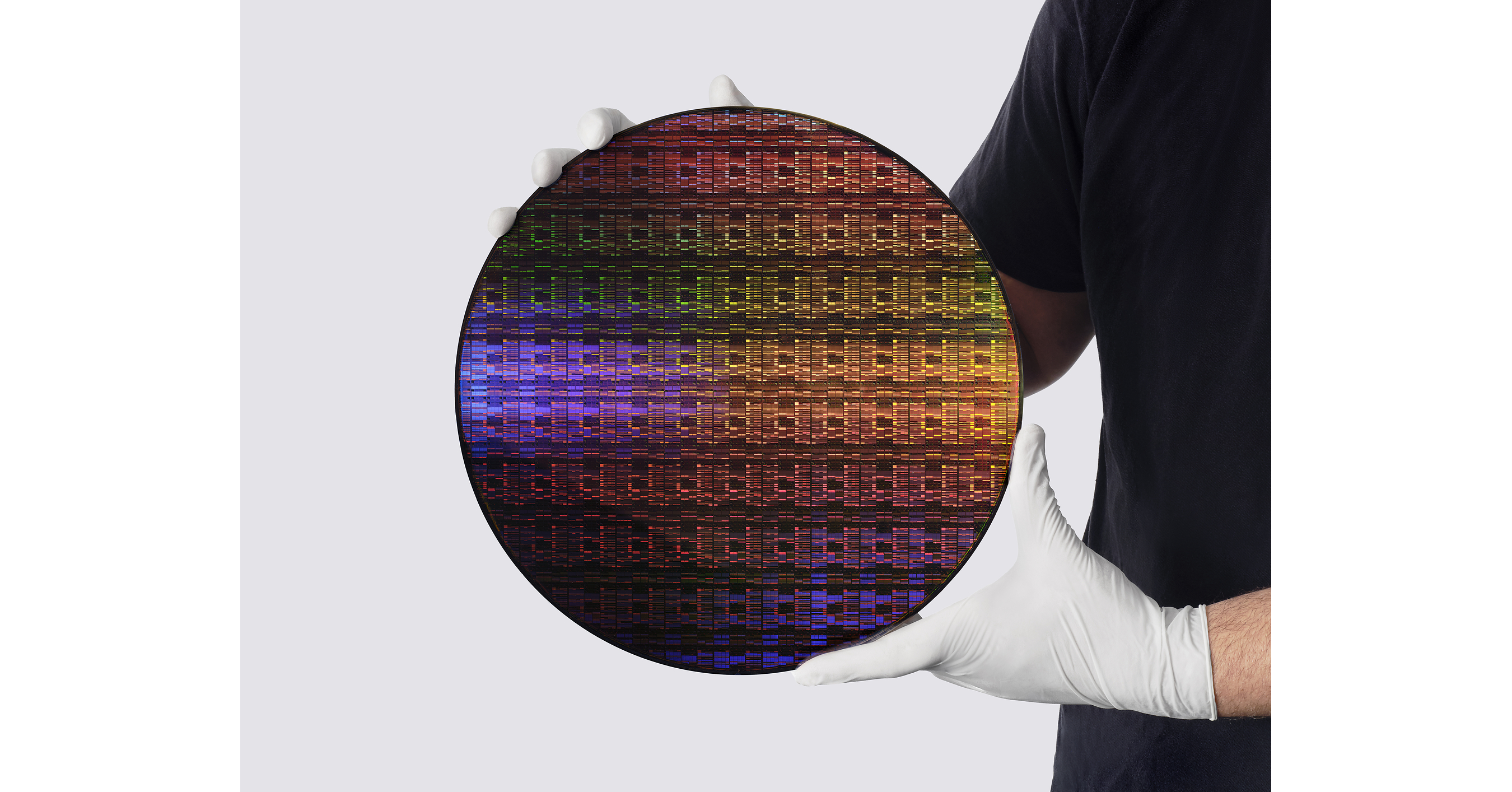
IBM reveals 0.7 nm nanostack chip to power future AI workloads
TodayAnthropic accuses Alibaba of mass distillation attack on Claude models
Today
OpenAI Jalapeño AI chip targets cheaper, faster LLM inference
Today