Micron flags surging AI memory demand after record Q3 earnings
TL;DR
Micron reported record fiscal third‑quarter 2026 results and issued a stronger‑than‑expected Q4 forecast on June 24, citing insatiable AI infrastructure demand for DRAM and NAND. The company highlighted new long‑term supply agreements, including a deal with Anthropic, as evidence that AI workloads will keep memory markets tight beyond 2027.
About this summary
This article aggregates reporting from 1 news source. The TL;DR is AI-generated from original reporting. Race to AGI's analysis provides editorial context on implications for AGI development.
Race to AGI Analysis
Micron’s blowout quarter is a macro readout on the AI buildout. Revenue reportedly beat expectations by more than 15%, with management explicitly tying the upside to AI memory demand and forecasting continued tightness through at least 2027. ([semafor.com](https://www.semafor.com/article/06/24/2026/micron-posts-blowout-earnings?utm_source=openai)) The additional detail that Micron has signed long‑term supply agreements with players like Anthropic shows how tightly coupled frontier model roadmaps and memory capex have become. Training and serving bigger models is now as much a DRAM and HBM problem as it is a GPU problem.
For AGI timelines, strong memory vendors matter because they determine whether compute bottlenecks show up as “not enough FLOPs” or “not enough bandwidth and capacity.” Micron’s message—that AI demand is keeping pricing power high and utilization full—implies that hyperscalers and labs are still aggressively building out infrastructure rather than pausing to digest. That supports scenarios where the industry can afford to keep scaling context windows, sequence lengths, and multi‑modal buffers, all of which are memory‑intensive. It also signals that profit pools in AI hardware are broadening beyond Nvidia, making it easier for capital markets to finance the ecosystem required for ever‑larger experiments.
Who Should Care
Related News
Anthropic accuses Alibaba of mass distillation attack on Claude models
Today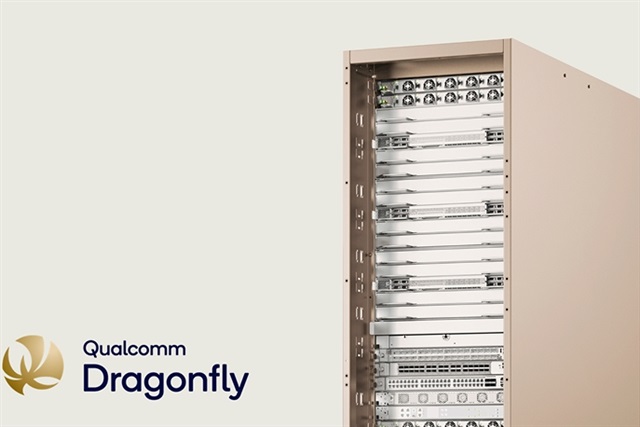
Qualcomm Dragonfly CPUs and Meta deal sharpen AI data center bid
Today
Yotta plans $7B AI cloud capex to chase global GPU demand
Today