AI capex boom pushes Big Tech deeper into global debt markets
TL;DR
On June 21, 2026, Business Insider reported that Amazon, Alphabet, Microsoft and Meta are projected to spend about $750 billion on AI infrastructure this year, over 80% more than in 2025. The article notes that hyperscalers and firms like Nvidia, Oracle and SpaceX are increasingly funding the AI buildout with large bond offerings, tying AI progress more tightly to global interest-rate conditions.
About this summary
This article aggregates reporting from 2 news sources. The TL;DR is AI-generated from original reporting. Race to AGI's analysis provides editorial context on implications for AGI development.
Read next
Race to AGI Analysis
This piece crystallizes a crucial shift: frontier AI is no longer financed mainly through equity hype and cash-on-hand, but through classic bond markets. When Amazon, Alphabet, Microsoft and Meta collectively point three-quarters of a trillion dollars at AI infrastructure in a single year—and lean on debt to do it—they effectively turn AI into a macro variable. Monetary policy, credit conditions and investor risk appetite now feed directly into the pace at which new models, data centers and agentic systems come online.
For the race to AGI, that means two things. First, the scale of capex suggests we are well past the experimental phase; AI is being treated as critical infrastructure on par with telecoms and power grids. That likely accelerates model sophistication and deployment simply because so much silicon, energy and talent are being mobilized. Second, tying AI buildout to leverage introduces fragility: a rates shock or earnings disappointment could force companies to slow or reprioritize long-term research in favor of near-term cash flow. In practice, this financialization of AI may widen the gap between a handful of hyperscalers and everyone else, as only they can routinely tap bond markets for tens of billions to fund ever-larger training runs and inference fleets.
Who Should Care
Related News

Microsoft activates Hyderabad AI infrastructure hub for Indian enterprises
Yesterday
Meta Muse AI agent tops US app charts with 902,000 downloads
Yesterday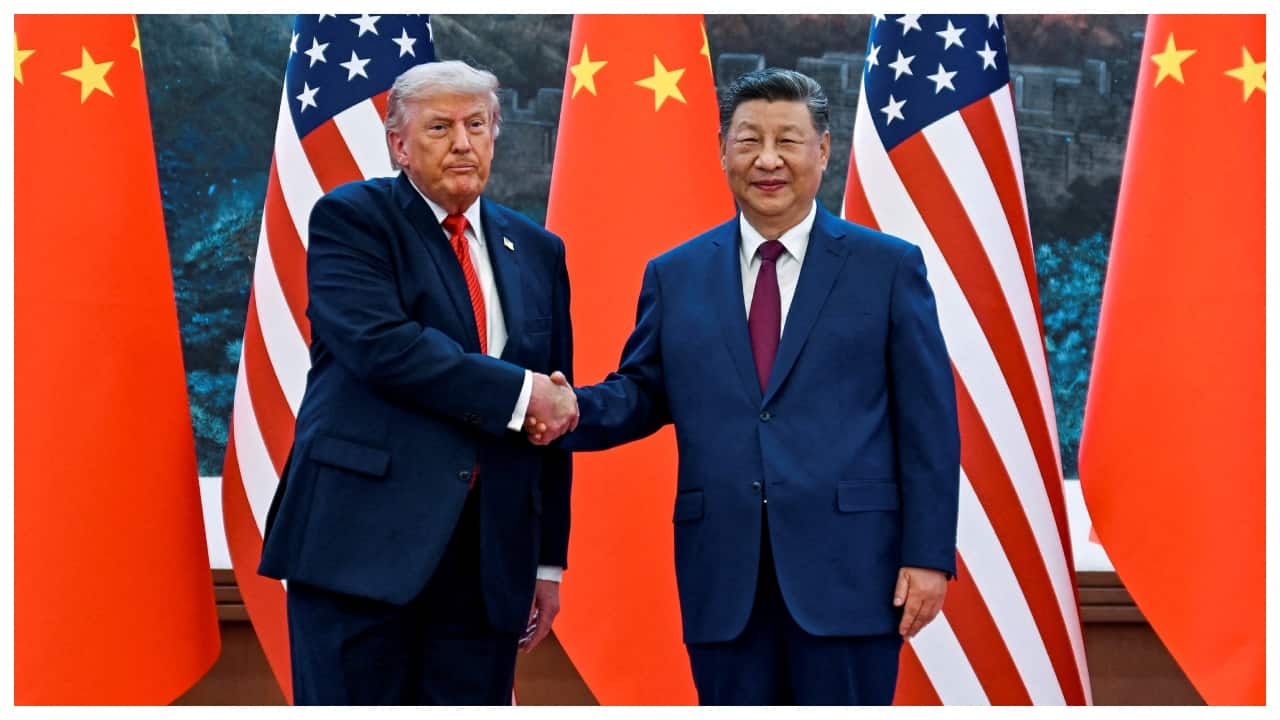
US China pre summit talks put AI risks at center of trade agenda
YesterdayWorld leaders demand AI guardrails to keep systems under human control
YesterdayCompanies Mentioned