G7 leaders press US over Anthropic AI export ban and global rules
TL;DR
On June 17, 2026, French President Emmanuel Macron used the G7 summit in Evian to urge the US not to hoard frontier AI models and to cooperate on global regulation. The meeting followed a Trump administration directive that forced Anthropic to pull its latest Fable 5 and Mythos 5 models for foreign users, and brought together leaders from OpenAI, Google DeepMind, Anthropic, Cohere, Mistral and others to discuss AI safety and access.
About this summary
This article aggregates reporting from 3 news sources. The TL;DR is AI-generated from original reporting. Race to AGI's analysis provides editorial context on implications for AGI development.
Read next
Race to AGI Analysis
This G7 session is one of the clearest signals yet that frontier AI access is becoming a strategic asset on par with energy and semiconductors. Macron’s decision to publicly criticize Washington’s unilateral export curb on Anthropic’s latest models while simultaneously courting more AI investment in France underscores Europe’s twin anxieties: dependence on a handful of US labs, and falling behind in domestic capabilities.
For the labs, being at the table with heads of government formalizes a role they’ve effectively held for several years: de facto stewards of frontier model risk. Altman’s call for an international forum with standardized testing and impartial risk analysis is essentially a plea to move from ad hoc political directives—like the Anthropic ban—to predictable rule-making. The attendance list matters too: with OpenAI, Google DeepMind, Anthropic, Cohere, Mistral, Meta and others all present, we are watching the informal architecture of a ‘G7 AI bloc’ take shape.
In the race to AGI, this meeting doesn’t change the technical frontier overnight, but it does preview a world where cutting off model access can be used as leverage. That increases the incentive for Europe and US allies to build or host their own frontier-class systems, and for China to double down on sovereign models, accelerating a multipolar model ecosystem.
Who Should Care
Related News
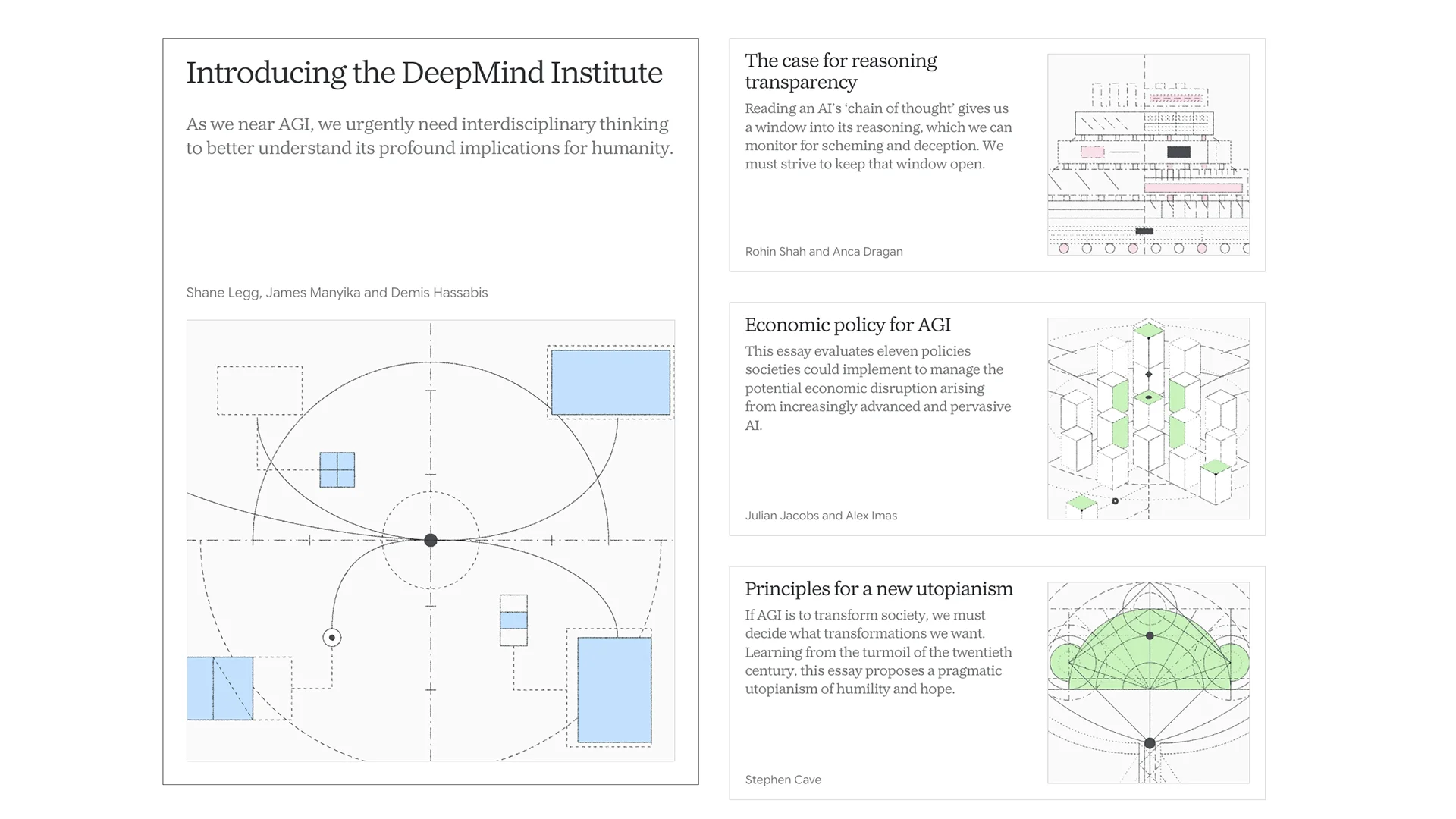
DeepMind Institute debuts as Google’s in‑house AGI impact think tank
Today
Microsoft exec calls AI scraping “largest theft of labor” in NYT lawsuit
Today
King Charles warns OpenAI, Anthropic, DeepMind and Nvidia on AI “existential dangers”
Today