G7 digital ministers adopt shared AI supply chain and child-safety principles
TL;DR
On May 30, G7 digital and technology ministers agreed a unified framework to secure the AI supply chain and align national AI risk assessment approaches. The statement also commits to common principles for protecting minors online, including safeguards against AI‑generated child sexual abuse material.
About this summary
This article aggregates reporting from 1 news source. The TL;DR is AI-generated from original reporting. Race to AGI's analysis provides editorial context on implications for AGI development.
Race to AGI Analysis
The G7’s new AI and cybersecurity objectives are modest in length but important in direction. By explicitly talking about securing the AI supply chain, aligning risk-assessment frameworks and tackling AI‑generated child abuse material, ministers are trying to move beyond high‑level summit rhetoric into concrete, interoperable expectations for both governments and vendors. While the details are thin, the signal is that leading democracies want to coordinate on guardrails for high‑risk AI use rather than race purely on capabilities.
In the near term, this won’t slow frontier labs directly; Anthropic, OpenAI, Google and others are still sprinting ahead on model performance. But it does shape the environment they operate in. Shared G7 language on supply‑chain security will justify closer scrutiny of where training chips and sensitive datasets come from, and who operates critical compute. Meanwhile, principles around minors and AI‑generated CSAM set the stage for tighter obligations on platforms hosting generative content and tools. Over time, these norms could spill over into export‑control debates and the way safety evals are codified into procurement rules.
For AGI-watchers, the message is that advanced AI will be governed through a patchwork of club‑like groupings—the G7, the EU, ad‑hoc safety summits—rather than a single global treaty. That fragmentation may complicate both deployment and safety coordination as systems approach more general capabilities.
Who Should Care
Related News
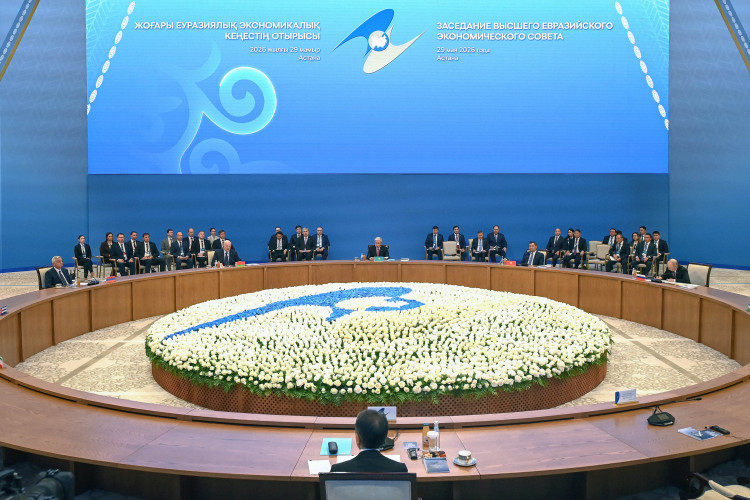
EAEU leaders back ‘responsible AI’ in new joint economic statement
Today
China unveils national AI evaluation framework to tackle black-box models
Today