EnableX appoints former JSAI president Hitoshi Matsubara as advisor
TL;DR
Tokyo-based AI consultancy enableX announced on February 4, 2026 that former Japanese Society for Artificial Intelligence president Professor Hitoshi Matsubara has joined as an advisor, effective February 1. The company says he will help accelerate “physical AI” projects linking neurosignals, robots, and digital twins across government, industry, and academia.
About this summary
This article aggregates reporting from 1 news source. The TL;DR is AI-generated from original reporting. Race to AGI's analysis provides editorial context on implications for AGI development.
Race to AGI Analysis
On the surface this is a local advisory appointment, but Hitoshi Matsubara is not a minor figure—he’s one of Japan’s most recognizable AI researchers, with deep roots in robotics, game‑playing systems, and public engagement. His move into enableX, a firm explicitly pitching “physical AI” that fuses brain signals, sensors, and embodied systems, reflects a broader Japanese trend: doubling down on human‑centric and embodied AI rather than chasing U.S.‑style foundation models head‑on.
Strategically, this helps align academic credibility with a commercial outfit aiming to bridge government, corporate, and research deployments. Japan’s industrial base, from automotive to factory automation, is well positioned to benefit if companies like enableX can productize neurosignal and robot‑centric AI in a way that complements, rather than competes with, U.S. and Chinese model providers. Matsubara’s public profile also gives enableX more weight in national debates around how far to push toward “robots with minds” in everyday environments.
For the AGI race, the implication is that not all serious AI players are going to pour their limited resources into frontier language models. Some, like Japan, are leaning into long‑standing strengths in robotics and cyber‑physical systems, betting that when AGI does emerge it will matter most in embodied, safety‑critical settings where cultural trust and human‑factors design are differentiators.
Who Should Care
Related News
Taiv raises $13M to scale AI in-venue TV advertising network
2 weeks ago
Matia raises $21M Series A for AI data engineering platform
2 weeks ago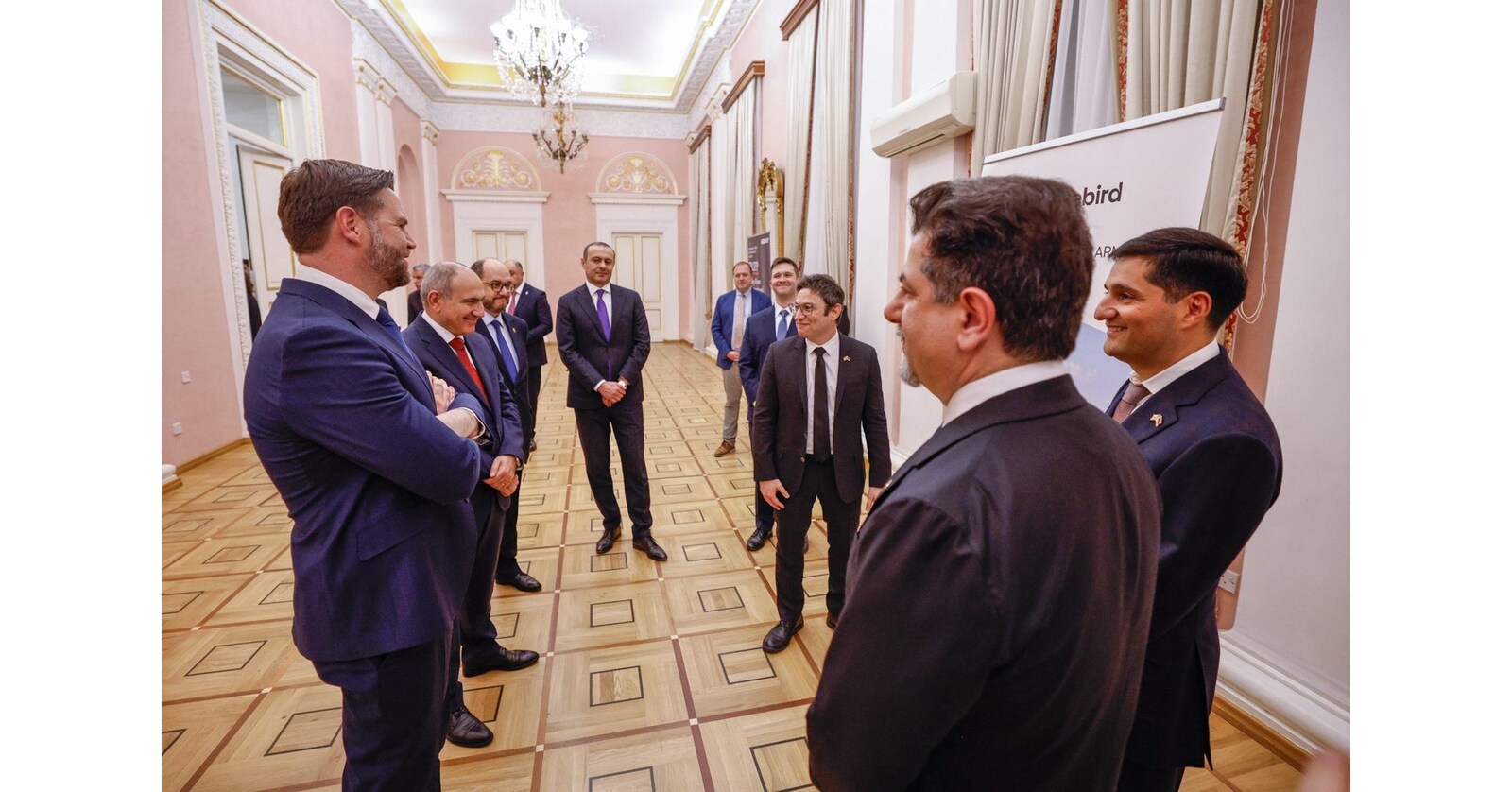
Firebird and US expand Armenia AI megaproject to $4b and 50,000 Nvidia GPUs
2 weeks ago