OpenAI to test ads in ChatGPT free and Go tiers in US
TL;DR
On January 17, 2026, OpenAI’s ad plans for ChatGPT were detailed in fresh coverage drawing on a January 16 company blog post announcing tests of advertisements for US Free and $8/month Go users. Paid Plus, Pro, Business and Enterprise tiers will remain ad‑free as OpenAI seeks new revenue streams to fund massive AI infrastructure spending while keeping wide access to ChatGPT.
About this summary
This article aggregates reporting from 7 news sources. The TL;DR is AI-generated from original reporting. Race to AGI's analysis provides editorial context on implications for AGI development.
Race to AGI Analysis
OpenAI moving ChatGPT’s free and Go tiers to an ad-supported model is a financial inflection point for the frontier‑model race. Until now, the company has leaned mainly on subscriptions and strategic investments to underwrite multi‑billion‑dollar training runs and an infrastructure roadmap that could exceed $1 trillion by 2030. Advertising lets OpenAI monetize its enormous free user base without immediately walling off access, effectively turning attention inside a general‑purpose AI assistant into a new kind of inventory.([openai.com](https://openai.com/index/our-approach-to-advertising-and-expanding-access/))
Strategically, this nudges OpenAI closer to Google and Meta, whose AI offerings are deeply tied to ad businesses, and away from the pure SaaS posture some enterprise buyers preferred. It also raises classic platform‑power questions: when your “personal super‑assistant” becomes an ad surface, everything from ranking logic to data‑use policies becomes economically charged. Rivals that stay ad‑free, like certain enterprise‑first labs, now have a clearer differentiation story, while consumer chatbots from Google, Meta or Chinese players may feel pressure to match or undercut OpenAI’s blend of low‑cost access and targeted promotions.
For the AGI race, the practical consequence is more fuel. If ads work at scale without sparking a user backlash, OpenAI gets a diversified revenue stream to fund more aggressive model and compute expansion. The risk is that design choices get pulled toward engagement and conversion metrics, subtly distorting alignment and safety priorities in a system that already mediates how hundreds of millions of people think and work.
Who Should Care
Related News
Musk demands up to $134 billion from OpenAI and Microsoft
Today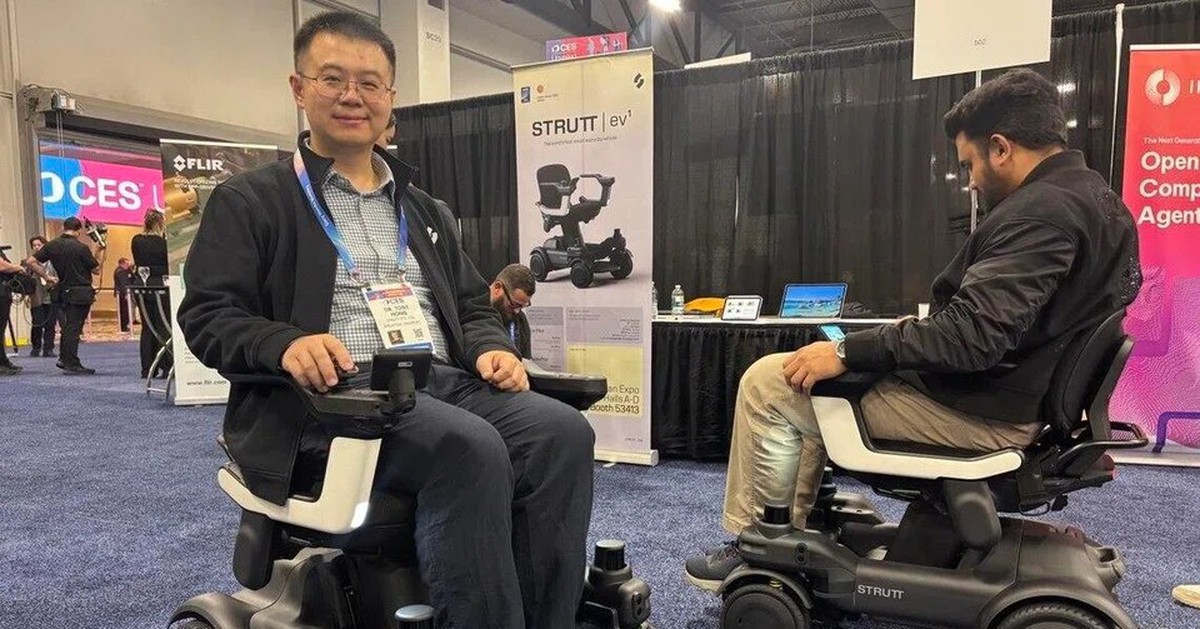
Strutt unveils AI-powered self-driving wheelchair ev1 at CES 2026
Today
Converge Bio secures $25M Series A for GenAI drug discovery lab
Today