Elon Musk seeks $134B from OpenAI and Microsoft in lawsuit
TL;DR
Elon Musk has filed a court brief seeking between $79 billion and $134 billion in “wrongful gains” from OpenAI and Microsoft, according to new filings unsealed on January 17, 2026. The demand is based on expert analysis that values Musk’s early financial and non-financial contributions to OpenAI against its current $500 billion valuation and Microsoft’s 27% stake.
About this summary
This article aggregates reporting from 4 news sources. The TL;DR is AI-generated from original reporting. Race to AGI's analysis provides editorial context on implications for AGI development.
Race to AGI Analysis
This filing crystallizes just how financially consequential frontier AI has become. Musk is effectively arguing that a $38 million seed contribution entitles him to up to $134 billion in value created by OpenAI and Microsoft, a ratio that rivals the most explosive returns in tech history. For the race to AGI, that number isn’t just headline fodder—it’s a proxy for how markets are starting to price control of frontier models and the platforms built on them.
The lawsuit also forces into the open uncomfortable questions about governance, mission drift, and who ultimately owns the upside of AGI-scale systems. OpenAI’s transition from non-profit lab to capped-profit behemoth backed by Microsoft was already controversial; this case may set precedents for how early contributors, donors, and partners can challenge such restructurings in court. That uncertainty is now part of the risk calculus for every lab contemplating complex hybrid structures.
Strategically, the suit is a double-edged sword. It could be a distraction for OpenAI and Microsoft just as they’re racing to productize next-generation models and hardware, yet it also incentivizes them to document mission alignment and investor communications more rigorously. Whatever the legal outcome, the signal to the ecosystem is clear: AGI-scale value creation will be litigated as fiercely as it is engineered.
Who Should Care
Related News
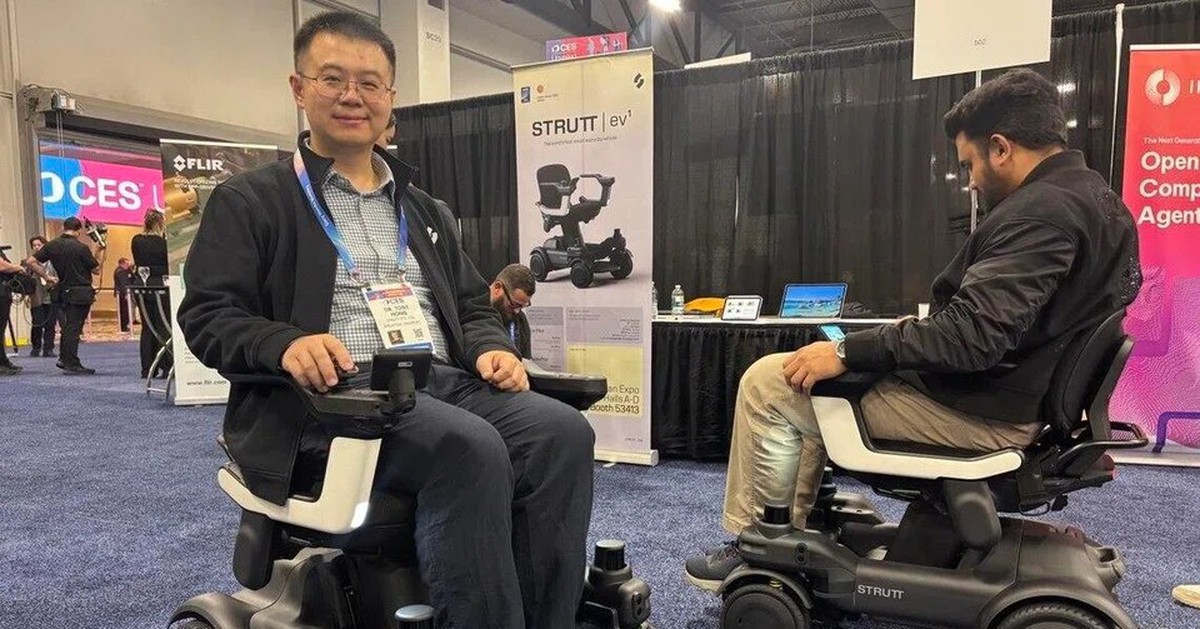
Strutt unveils AI-powered self-driving wheelchair ev1 at CES 2026
Today
Converge Bio secures $25M Series A for GenAI drug discovery lab
Today
Seela launches multi-model AI creative hub for chat and images
Today