ChatGPT Health and Claude for Healthcare move deeper into clinics
TL;DR
On January 17, 2026, Fox Business reported that OpenAI has launched ChatGPT Health and Anthropic has rolled out Claude for Healthcare, both aimed at clinical support and patient education. Memorial Sloan Kettering Cancer Center and other U.S. health systems are piloting these tools for triage, education, and cancer detection as survey data shows about one-third of U.S. health systems now pay for commercial AI licenses.
About this summary
This article aggregates reporting from 1 news source. The TL;DR is AI-generated from original reporting. Race to AGI's analysis provides editorial context on implications for AGI development.
Race to AGI Analysis
Healthcare is emerging as one of the first sectors where frontier models are being woven into daily, high-stakes workflows rather than used at the margins. OpenAI’s ChatGPT Health and Anthropic’s Claude for Healthcare mark a transition from generic assistants to domain-tuned systems that interact with real patients, lab reports, and clinical images. That creates both a powerful flywheel for data and feedback, and a much higher bar for reliability and governance.
For the race to AGI, these deployments matter because they turn abstract “reasoning” capabilities into measurable clinical impact. If clinicians see real productivity and diagnostic gains, hospital systems will justify substantial long-term spend on frontier models and supporting infrastructure. That revenue stability, in turn, underwrites the massive capex required for ever-larger models and custom chips. It also creates pressure on competitors—if Anthropic or Google appear safer or more clinically accurate, procurement could shift fast.
But the same deployments also surface alignment and liability questions much sooner. Misdiagnoses, hallucinated lab interpretations, or biased triage recommendations will test not just the models, but institutional risk appetite and regulatory tolerance. The labs that can show audited performance, strong safety cases, and workable indemnity frameworks will gain an edge as “serious” AGI contenders.
Who Should Care
Related News
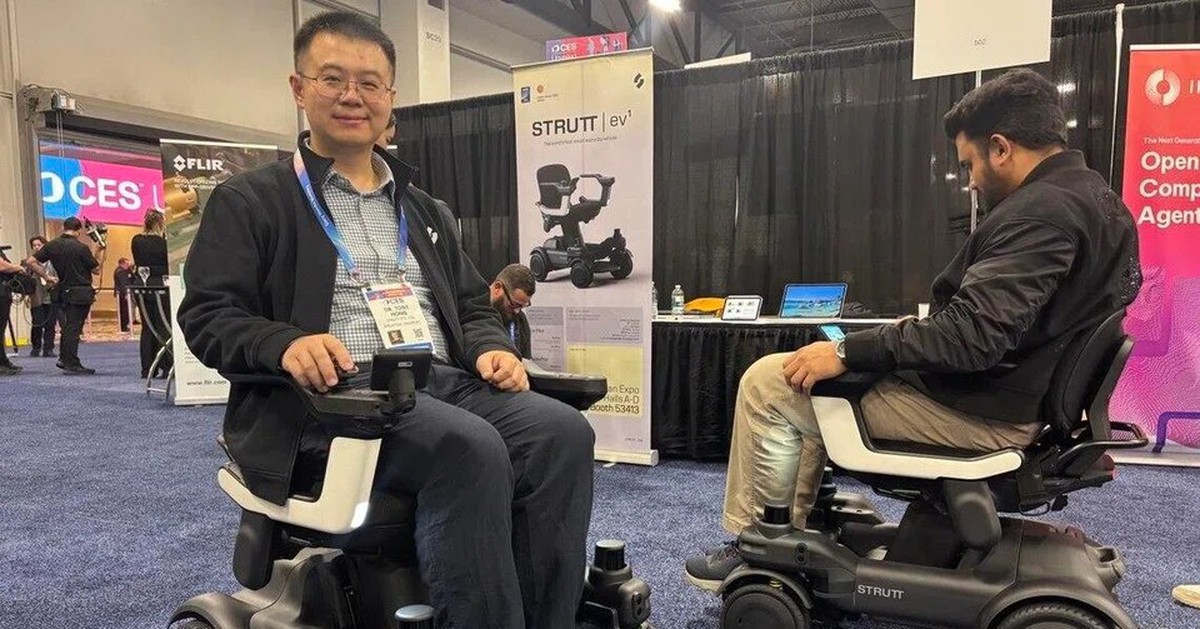
Strutt unveils AI-powered self-driving wheelchair ev1 at CES 2026
Today
Flux 2 small brings open AI image generation to consumer GPUs
Today
Seela launches multi-model AI creative hub for chat and images
Today