AI model maps global cancer survival drivers across 185 countries
TL;DR
On January 17, 2026, ScienceDaily reported that researchers supported by the European Society for Medical Oncology built a machine‑learning model to identify which health‑system and socioeconomic factors most influence cancer survival across 185 countries. The AI analysis highlights variables such as access to radiotherapy, universal health coverage and national income levels as key predictors of better outcomes.
About this summary
This article aggregates reporting from 2 news sources. The TL;DR is AI-generated from original reporting. Race to AGI's analysis provides editorial context on implications for AGI development.
Race to AGI Analysis
This work is a reminder that some of the most consequential near‑term uses of AI aren’t new chatbots but structured models that digest messy global data into actionable policy signals. By training on cancer incidence, mortality and health‑system indicators from 185 countries, the team uses machine learning to quantify which levers—oncology workforce, radiotherapy capacity, insurance coverage, macro‑economics—most strongly shape survival. That’s a textbook example of AI as a high‑dimensional pattern finder in domains where human intuition and simple regressions struggle.([sciencedaily.com](https://www.sciencedaily.com/releases/2026/01/260117053526.htm))
From an AGI‑race perspective, the technical novelty here isn’t earth‑shattering; this is supervised learning atop public health data, not a new general‑purpose model. But it illustrates an important trend: as frontier labs chase ever‑larger foundation models, domain‑specific groups are quietly building decision‑support systems that can alter how billions of dollars in health spending are allocated. The political capital that flows from demonstrably saving lives with AI strengthens pro‑deployment coalitions and makes it harder for governments to slam the brakes on advanced models, even if alignment worries grow.
At the same time, this kind of work is a proving ground for AI‑in‑the‑loop governance: can ministries of health actually act on model outputs, and can results be audited across regions with very different data quality? Those institutional muscles will matter when similar techniques are applied to more sensitive levers like biosecurity or economic policy.
Who Should Care
Related News
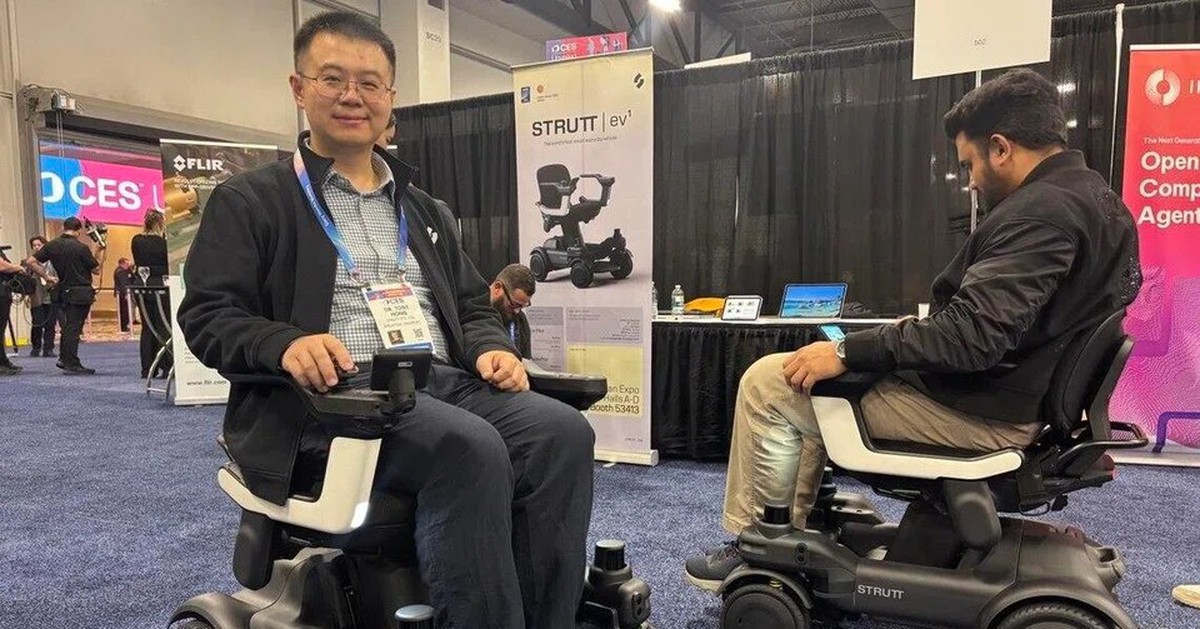
Strutt unveils AI-powered self-driving wheelchair ev1 at CES 2026
Today
Flux 2 small brings open AI image generation to consumer GPUs
Today
Seela launches multi-model AI creative hub for chat and images
Today