Yuwell showcases AI health ring and wearables at CES 2026 debut
TL;DR
On January 9, 2026, TNGlobal reported that Chinese device maker Yuwell Medical made its first appearance at CES 2026, highlighting AI‑enabled respiratory devices and a new R3 Health Ring. The titanium health ring uses continuous sensing and proprietary AI algorithms to track sleep, heart rate, oxygen levels and activity, delivering personalized health insights and alerts.
About this summary
This article aggregates reporting from 2 news sources. The TL;DR is AI-generated from original reporting. Race to AGI's analysis provides editorial context on implications for AGI development.
Race to AGI Analysis
Yuwell’s CES debut underscores how quickly AI‑first health wearables are moving beyond Silicon Valley brands. The R3 Health Ring is positioned squarely against devices like Oura and WHOOP, but with a strong emphasis on medical‑grade sensing and partnerships with clinical institutions. The company is explicit that the ring is an AI system: decades of sensor R&D feed proprietary algorithms that generate insights and abnormal‑event alerts, not just raw metrics.
In the AGI context, proliferating devices like this matter because they vastly expand the volume and diversity of longitudinal human data available for modelling. Sleep, cardiometabolic patterns, adherence, and lifestyle cues can all inform more precise personalization of future general‑purpose agents. If Chinese and other non‑US players like Yuwell achieve large scale in wearables, they’ll own critical pieces of that data pipeline.
The move also illustrates how frontier‑model advances trickle quickly into embedded systems. As on‑device inference gets cheaper, we should expect more health hardware to ship with specialized models that pre‑process signals locally and sync richer features to the cloud. That architecture — lightweight perception at the edge, heavier reasoning centrally — is likely to be mirrored across many embodied‑AI scenarios on the road to AGI.
Who Should Care
Related News
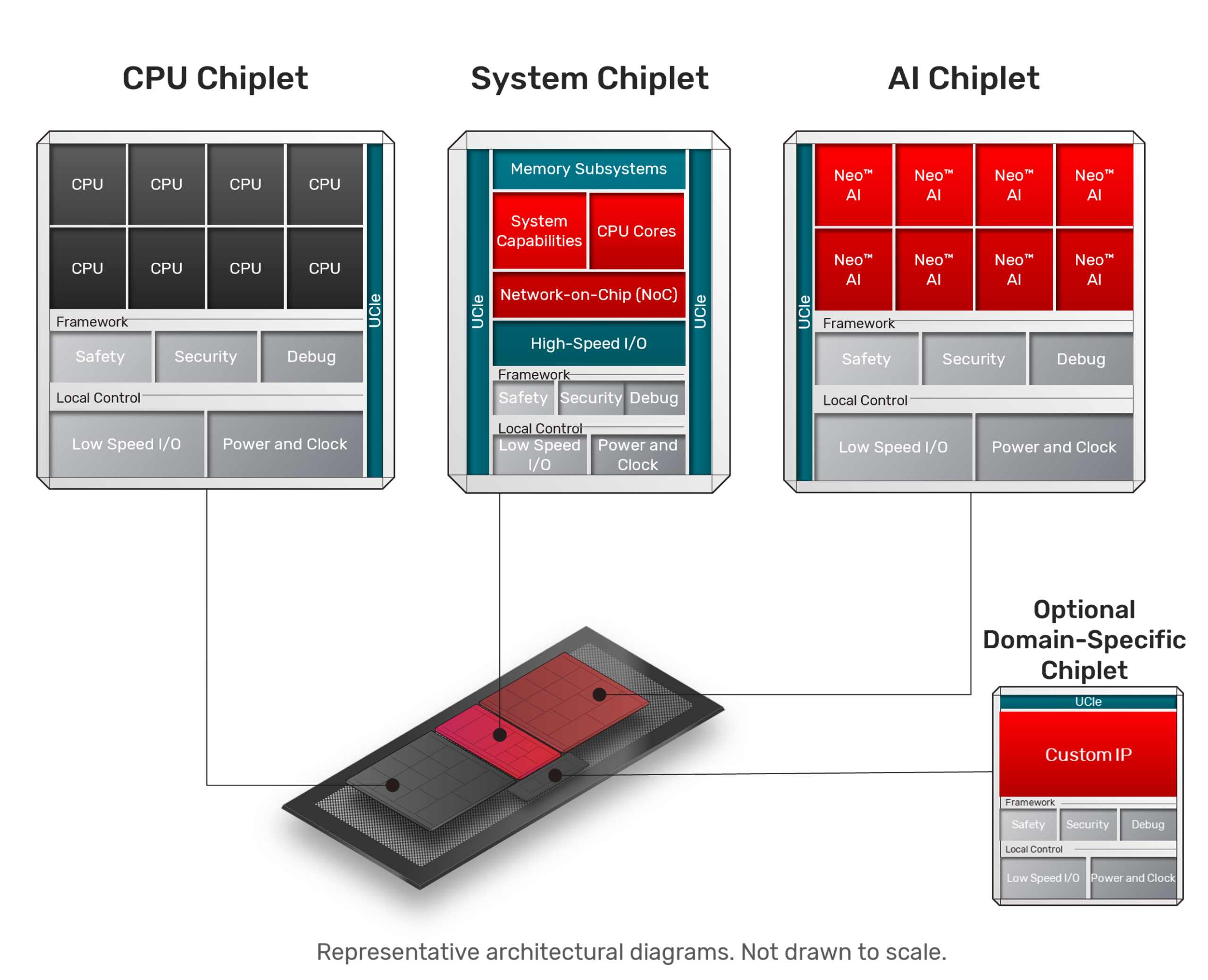
Cadence touts pre‑validated AI chiplet platform to speed custom silicon
TodayCyberPress flags 91,000 attacks probing AI deployments worldwide
Today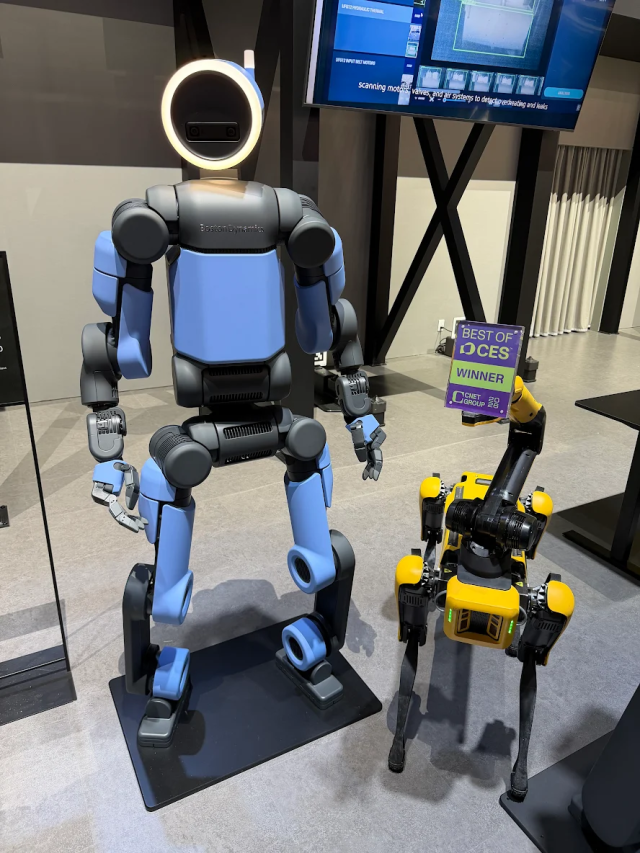
Boston Dynamics Atlas wins CES 2026 award as Hyundai touts factory AI robotics
Today