OpenAI seeks Head of Preparedness to tackle frontier AI risks
TL;DR
On December 29, 2025, OpenAI publicly advertised a senior “Head of Preparedness” role to oversee emerging risks from its most advanced models, with reported compensation around $550,000–$555,000 plus equity. CEO Sam Altman described the job as a stressful, high‑stakes position focused on threats ranging from cybersecurity misuse to mental‑health harms and catastrophic scenarios.
About this summary
This article aggregates reporting from 3 news sources. The TL;DR is AI-generated from original reporting. Race to AGI's analysis provides editorial context on implications for AGI development.
Read next
Race to AGI Analysis
OpenAI’s decision to elevate a “Head of Preparedness” role with near‑C‑suite visibility is another sign that risk management is becoming a first‑class function at frontier labs, not an afterthought. The job spans everything from red‑teaming advanced models for cyber exploits to assessing long‑tail catastrophic scenarios, and it comes after earlier safety leaders changed roles or left. In effect, OpenAI is admitting that as GPT‑5‑era systems blur the line between research and deployment, it needs a dedicated executive whose sole job is to anticipate what could go wrong.([computerworld.com](https://www.computerworld.com/article/4111872/open-ai-seeks-new-head-of-ai-readiness.html))
For the AGI race, this is less about slowing down and more about building internal machinery to keep shipping powerful systems without blowing up trust. A well‑resourced preparedness team can harden models against prompt‑based social engineering, help design more realistic evals, and inject friction into questionable product decisions. But it also institutionalizes the idea that one company’s internal risk framework is the de facto safety standard for billions of downstream users. That raises uncomfortable questions about transparency and oversight—especially as independent audits continue to find major labs falling short of emerging best practices.([americanbazaaronline.com](https://americanbazaaronline.com/2025/12/29/openai-seeks-new-executive-to-oversee-ai-risk-preparedness-472280/))
In the short run, expect more formal processes: documented safety thresholds, clarified red lines on dual‑use capabilities, and tighter links between security, legal and product teams. Whether that meaningfully changes the pace or direction of OpenAI’s roadmap will depend less on this job title and more on how much real veto power the eventual hire actually wields.
Who Should Care
Related News

AI targeting tool Maven scrutinized after deadly US strike on Iranian school
1 weeks ago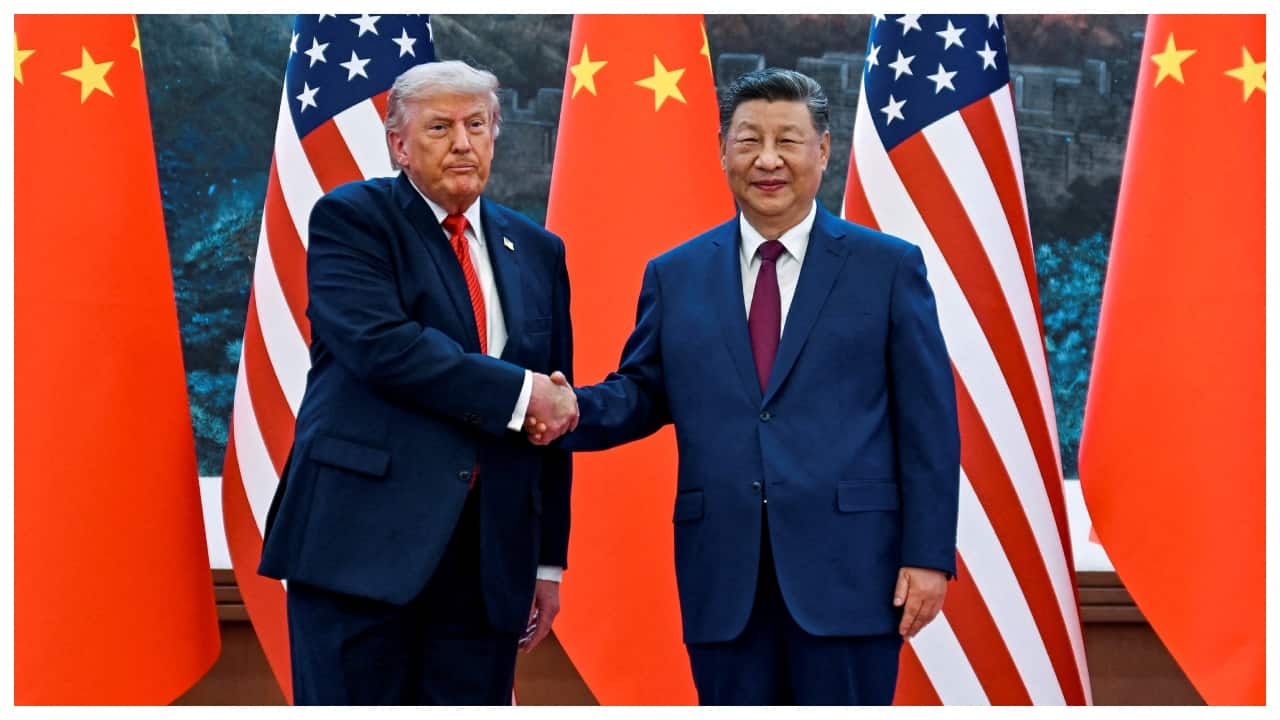
US China pre summit talks put AI risks at center of trade agenda
1 weeks agoWorld leaders demand AI guardrails to keep systems under human control
1 weeks ago